
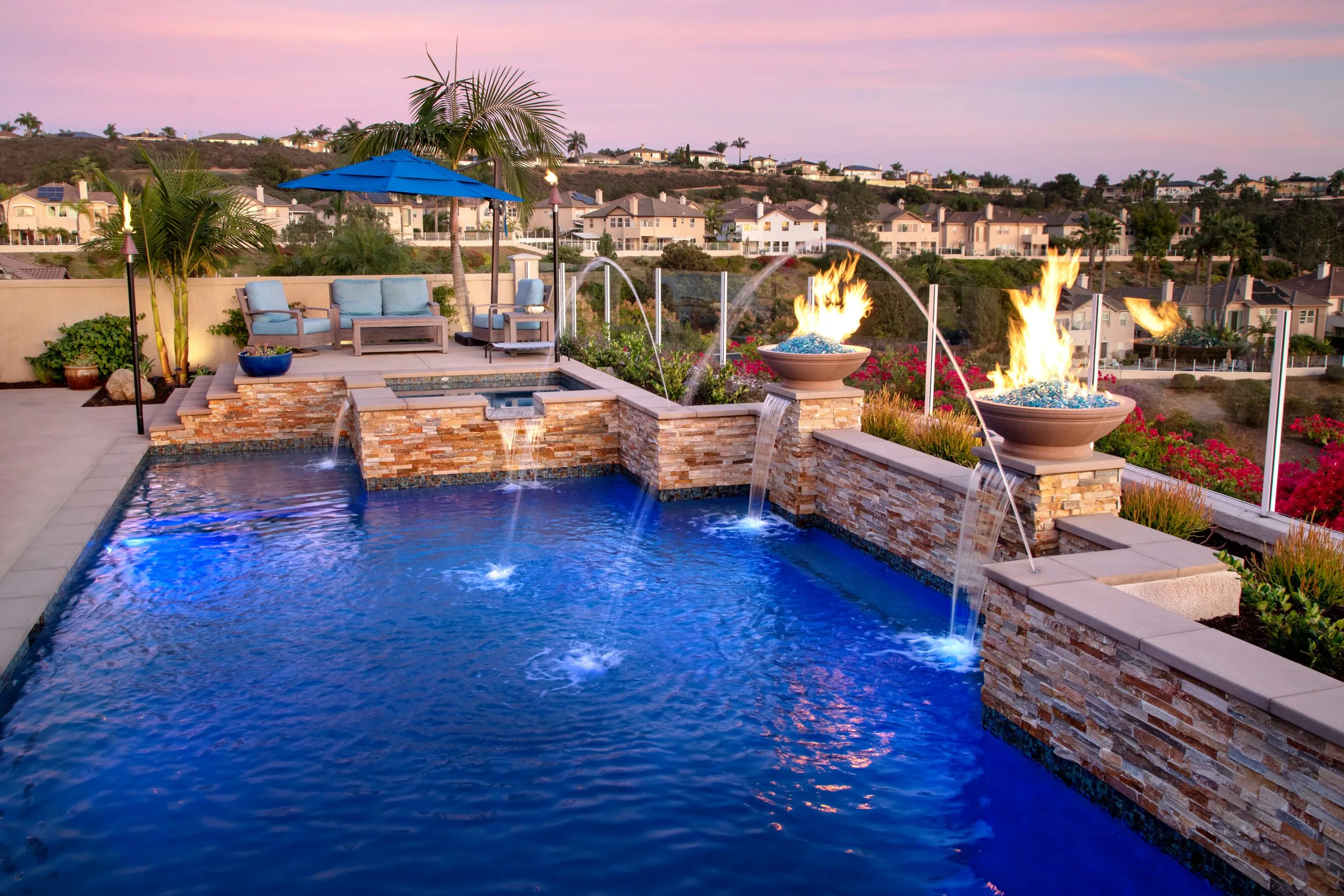

Designing a pool goes beyond aesthetics; it encompasses functionality, durability, and comfort. Homeowners considering a pool installation often find themselves asking, “what materials work well for pool design?” The right materials not only enhance the beauty of the pool but also ensure longevity and reduce ongoing maintenance. This article explores the various materials suitable for pool design and how to choose the best ones for your outdoor oasis.
When discussing what materials work well for pool design, several key materials come to mind, each with unique advantages and applications. The most common materials include:
Concrete is often the preferred choice for custom in-ground pools, including stunning negative edge pool designs in San Diego, which offer a breathtaking visual experience.
Fiberglass pools are typically available in various shapes and sizes, providing homeowners with additional options while needing less upkeep.
While vinyl liners do require periodic replacement, they can serve as a cost-effective solution for many homeowners.
When considering what materials work well for pool design, it’s vital to include surrounding landscaping and decking materials since these significantly affect your pool’s overall look and utility.
Choosing the right decking enhances safety, appearance, and functionality—elements critical to any great pool design.
Incorporating plants, trees, and lighting around the pool can dramatically transform the space. Options include:
Don’t overlook features like artistic pool landscaping that can elevate the design further.
While personal preference is paramount, several key factors will help narrow down what materials work well for pool design:
Beyond aesthetics, one must think about how the materials contribute to the pool’s usage. If you plan to install features like water slides, rock formations, or hot tubs, ensure the materials are suitable for their weight and water exposure.
Concrete is generally considered the best material for custom pools due to its versatility in design and durability.
Fiberglass pools can last over 30 years if properly maintained, making them a worthwhile investment.
Vinyl liner pools are cost-effective for budget-conscious homeowners, but the liners do need to be replaced approximately every 5-9 years.
Pavers and natural stone are popular choices that balance aesthetics with functionality and durability.
Choosing the right materials is crucial in pool design. Understanding what materials work well ensures not only the beauty of your pool but also its longevity and efficiency. From the main pool structure to the surrounding landscapes, every detail plays a vital role in the overall enjoyment and functionality of your outdoor space. Whether you’re considering elegant garden pool upgrades or summer poolside enhancements, making informed choices about materials is essential for achieving your dream oasis. Explore the possibilities today with Mission Pools and create an outdoor environment you’ll cherish for years to come.
DISCLAIMER: The information in this article has been generated by artificial intelligence, not a pool professional. The accuracy of the information in this article has not been verified by Mission Pools prior to publication and will not be updated. Therefore, this article should not be relied upon in lieu of independent research or consultation with a California pool installation or maintenance firm.


