


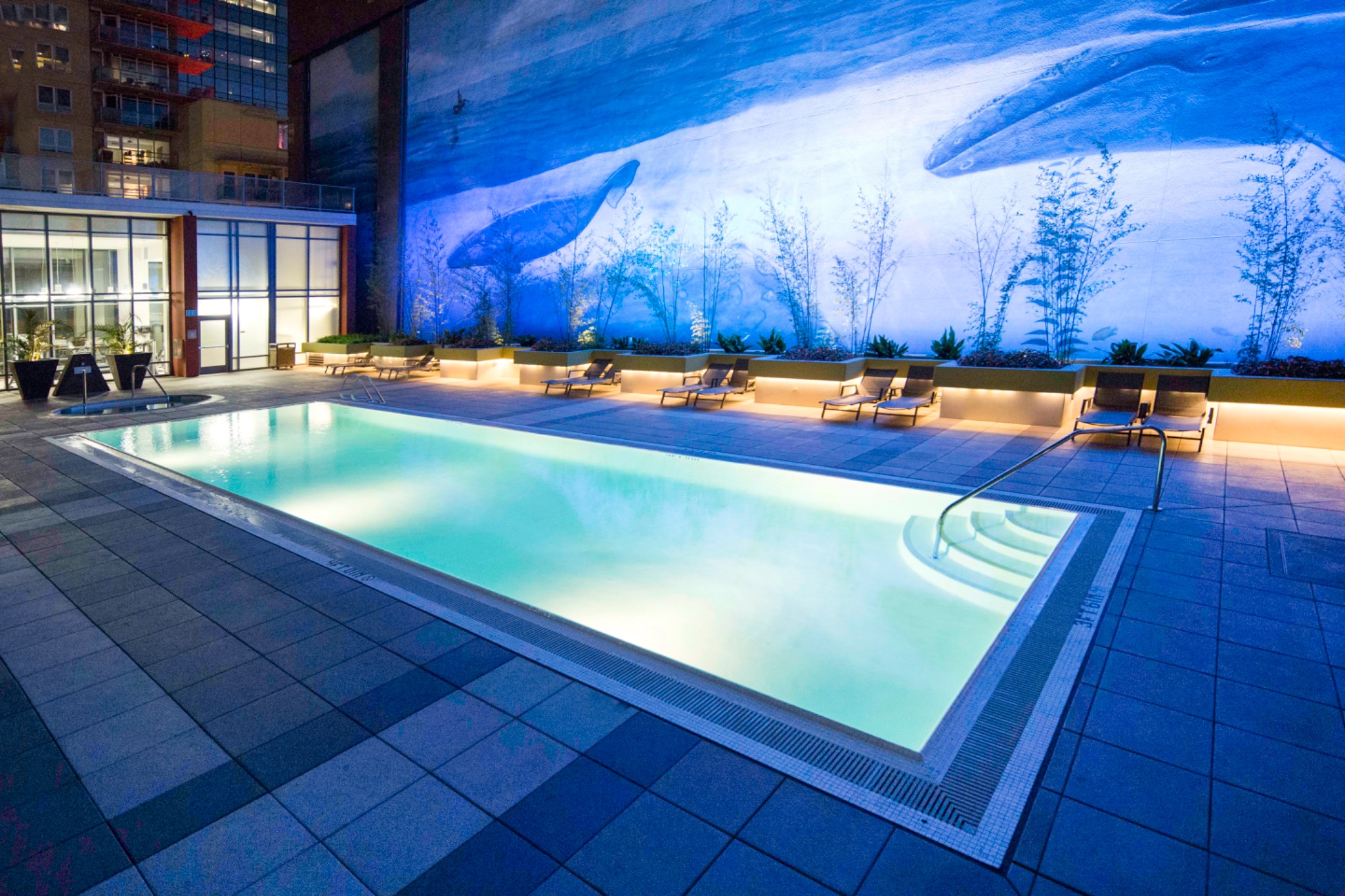
While San Diego’s winter is blissfully mild compared to snowy regions, your backyard oasis still needs thoughtful off-season care to keep water crystal clear and protect your investment.
Many homeowners mistakenly assume they can simply “turn everything off,” but we at Mission Pools have seen how ignoring your pool leads to algae blooms, debris accumulation, and unnecessary equipment wear.
The biggest myth we encounter is that mild climates eliminate the need for winter pool care. While you won’t deal with frozen pipes or ice-covered surfaces, San Diego’s shifting temperatures, occasional rainfall, and famous Santa Ana winds can dramatically disturb chemical balance, encourage algae growth, and cause stubborn staining that’s expensive to remove.
Algae remains a year-round concern, even when temperatures drop. Reduced chlorine levels combined with stagnant water create perfect breeding conditions for algae spores that lie dormant, waiting for the right opportunity to bloom. Meanwhile, Santa Ana wind events can deposit surprising amounts of dust, leaves, and debris overnight, overwhelming neglected filtration systems and creating water quality issues that compound over time.
Equipment protection represents another crucial consideration often overlooked by well-intentioned pool owners. Completely shutting down pumps, filters, and heaters can actually shorten equipment lifespan by allowing seals to dry out, debris to settle in lines, and mechanical components to seize from lack of use. Maintaining reduced operation schedules keeps everything lubricated and functioning properly.
According to the Pool & Hot Tub Alliance, proper year-round maintenance, even with reduced intensity during cooler months, significantly extends equipment life and prevents the costly spring cleanup that often includes emergency algae treatments, equipment repairs, and water replacement.
Perhaps most importantly, neglecting winter care leads to expensive spring recovery efforts. A pool that enters winter clean and balanced requires minimal effort to reactivate for those beautiful early spring swim days that San Diego residents love to enjoy.

San Diego pool owners enjoy one of the country’s longest swimming seasons, with many families using their pools from March through October or even November. The transition to winter care should follow your family’s natural usage patterns rather than strict calendar dates.
Most pools benefit from shifting to winter care routines once water temperatures consistently stay below comfortable swimming levels, typically around 65°F, and nighttime air temperatures hover in the mid-50s to low-60s. Don’t rush this transition; wait until your family naturally stops using the pool regularly for swimming and entertainment.
This gentle transition period, usually occurring between late November and early January, signals the perfect time to implement reduced maintenance routines while keeping systems operational for those spontaneous warm winter days when San Diego’s weather surprises everyone.
Unlike intensive weekly summer maintenance, winter pool care in San Diego can often shift to bi-weekly schedules while maintaining excellent water quality. Research from pool maintenance specialists shows that mild climate pools can successfully reduce service frequency from weekly to bi-weekly intervals without compromising cleanliness or safety.
Establish a simple weekly or bi-weekly check routine: skim surface debris, test water chemistry, empty skimmer baskets, and monitor pump and heater operation. This minimal time investment, typically 10-15 minutes, prevents the majority of winter problems before they develop into expensive issues.
Consider scheduling a mid-season professional check from Mission Pools to ensure pumps, heaters, and automation systems are operating efficiently and to catch any potential problems before they become major repairs.
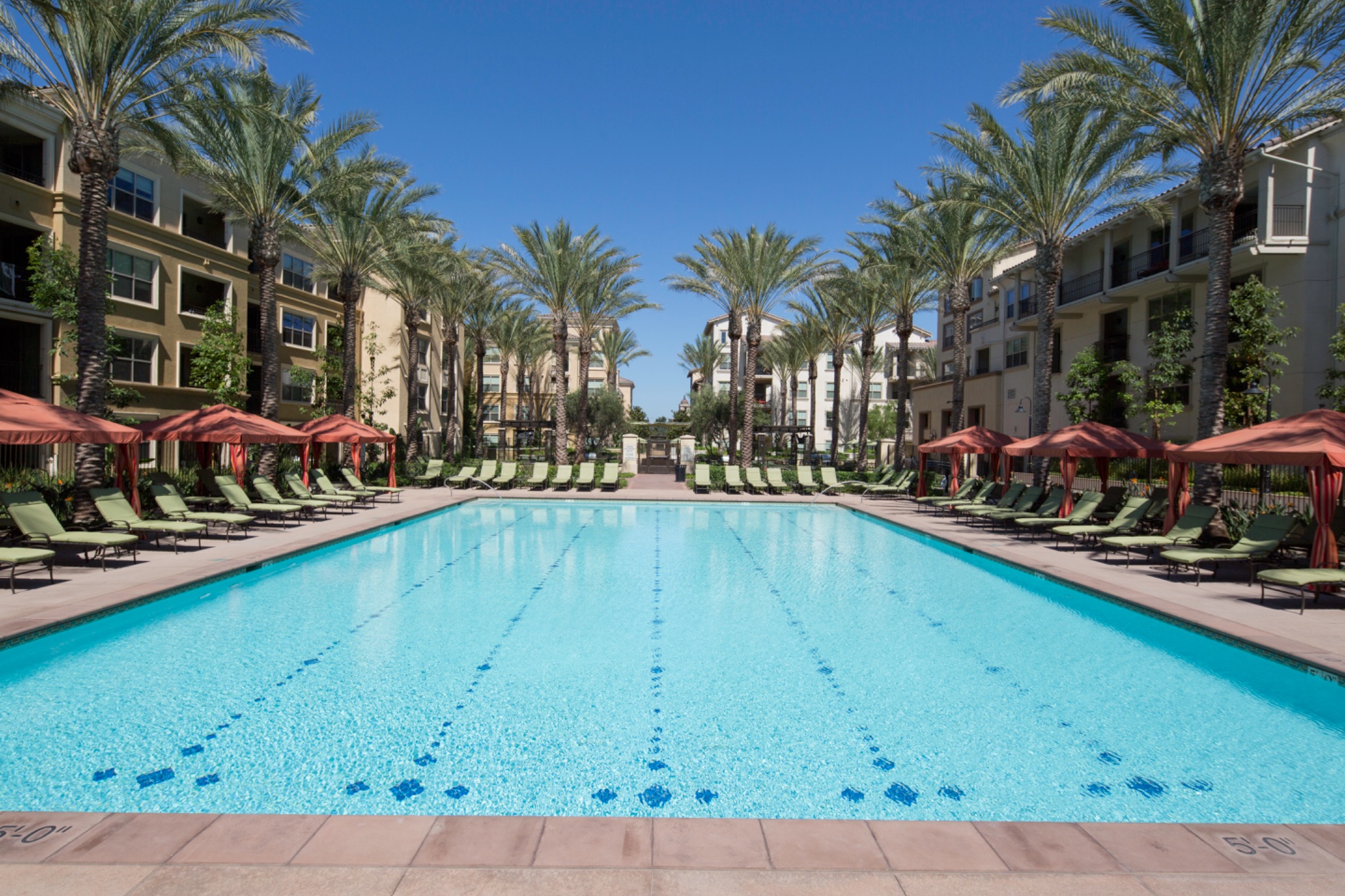
Begin your winter routine with a comprehensive cleaning that sets the foundation for months of clear water. Skim all leaves, insects, and debris from the surface, then brush walls, steps, and tile lines thoroughly to prevent algae establishment. Vacuum the entire pool floor and clean skimmer baskets, removing any accumulated debris that could decompose and affect water chemistry.
This initial deep cleaning is crucial because debris accumulation invites algae growth and surface staining. Starting winter with a pristine pool creates the best possible conditions for maintaining balance with reduced maintenance intensity.
Pay special attention to corners, behind pool lights, and around water features where debris tends to collect and algae loves to establish colonies that can be difficult to eliminate once established.
Use a high-quality test kit to measure pH, free chlorine or bromine, total alkalinity, calcium hardness, and stabilizer levels. Proper balance becomes even more critical during winter when reduced circulation and monitoring can allow small imbalances to develop into major problems.
Adjust pH to approximately 7.4, high pH leads to scale formation and reduces chlorine effectiveness, while low pH becomes corrosive to pool surfaces and equipment. Maintain free chlorine between 2-4 ppm to control bacteria and algae, even though cooler water reduces chlorine consumption significantly.
Keep total alkalinity between 80-120 ppm to buffer pH changes, and maintain calcium hardness at or above 200 ppm to protect pool surfaces from etching. Check stabilizer (cyanuric acid) levels around 40 ppm, though you may operate at the lower end during winter when sunlight intensity decreases.
Consider adding a light shock treatment and algaecide before reducing pump run times, creating a protective chemical cushion that lasts through periods of reduced circulation.
Reduce pump run times from summer’s typical 8-12 hours daily to 3-6 hours per day, depending on your pool size, equipment efficiency, and local conditions. Energy efficiency experts recommend running pumps during the warmest part of the day to maximize solar heat gain and ensure proper chlorine dispersion throughout the pool.
Clean or backwash filters before reducing run times, a clogged filter puts unnecessary strain on pumps and reduces water clarity. Consider this an investment in equipment longevity and energy efficiency throughout the winter months.
If your system includes freeze protection mode, ensure it’s properly enabled so pumps automatically activate during rare San Diego cold snaps that could threaten equipment or plumbing.
San Diego’s mild climate typically doesn’t require heavy winterizing chemical kits designed for harsh freeze conditions. Instead, lightly shock the pool and add a long-lasting algaecide specifically designed to inhibit algae growth during periods of reduced circulation.
Consider adding an enzyme treatment to break down organic contaminants and prevent waterline scum that often develops when oils and debris concentrate during reduced water movement.
For saltwater systems, remember that many salt cells automatically shut off around 60°F. Maintain adequate sanitization using chlorine tablets in a floater or manual chlorine additions as needed during cooler periods.
Pool covers aren’t mandatory in San Diego’s mild climate, but they provide significant benefits including reduced debris accumulation, minimized evaporation, and heat retention for those occasional winter swims. Choose a well-fitting solid, mesh, or automatic cover that’s clean and free of tears or damage.
Remove standing water and debris from covers regularly to prevent sagging and contamination spillage into the pool when covers are removed. Proper cover maintenance protects both the cover investment and pool water quality.
If you choose to operate without a cover, plan for more frequent skimming and possibly longer pump run times to handle increased debris and evaporation during windy periods.
Inspect pumps, filters, and heaters for leaks, unusual noises, or worn components that could fail during winter months when problems are less likely to be noticed quickly. While San Diego rarely experiences freezing conditions, check areas prone to cold air pockets and insulate exposed pipes as a precaution.
Keep decorative water features like spillways, fountains, and waterfalls running periodically to prevent scale buildup and ensure pumps remain properly primed. Stagnant water in these features often leads to stubborn mineral deposits that are expensive to remove.
Winter provides an excellent opportunity for thorough equipment inspection and maintenance that prevents unexpected failures during peak swimming season.
Keep water levels halfway up the skimmer opening for optimal skimming efficiency and equipment protection. Avoid draining your pool unless specifically instructed by a professional, unnecessary draining can damage pool structures and wastes precious water during California’s ongoing drought concerns.
While some cold-climate guides suggest lowering water levels significantly, San Diego pools typically maintain normal levels year-round while monitoring for excessive rainfall that might require temporary adjustment.
Proper water levels ensure skimmers function effectively and prevent air from entering pump systems, which can cause expensive equipment damage.
Establish a consistent 10-15 minute routine that prevents small issues from becoming major problems:
This minimal time investment maintains pool readiness for spontaneous use while preventing the expensive spring recovery efforts that neglected pools require.
Plaster and pebble finishes are particularly susceptible to etching when pH or calcium hardness levels drop too low during winter months. Maintain calcium hardness above 200 ppm and monitor pH carefully to protect these surfaces from permanent damage.
Tile pools are less sensitive to chemical etching but more prone to scale formation when pH or calcium hardness rise too high. Weekly brushing of tile lines prevents stubborn buildup that becomes difficult to remove.
Salt chlorine generators often shut off automatically below 60°F, requiring alternative sanitization methods. Reduce cell output gradually or switch to chlorine tablets as water temperatures drop, and plan for thorough cell cleaning during the off-season to remove scale accumulation.
Monitor salt levels regularly, as winter rainfall can dilute salt concentration below optimal operating ranges, affecting system performance when warmer weather returns.
Spas often remain active throughout San Diego winters even when main pools see reduced use.
Set separate circulation schedules allowing longer spa operation while reducing pool circulation, and maintain careful chemistry balance between both water bodies since contaminants migrate between connected systems.
Solar heating systems can still provide valuable warmth during sunny winter days. Run pumps during peak sun hours to capture maximum heat gain, and ensure solar controllers and sensors operate accurately during variable winter conditions.
Automatic covers require periodic track cleaning and inspection of water removal pumps to ensure reliable operation throughout the season.
Completely shutting down pumps and filtration systems encourages algae growth, debris accumulation, and can actually shorten equipment lifespan by allowing seals to dry out and mechanical components to seize. Instead, reduce operation while maintaining consistent water movement.
Visually clear water can still harbor dangerous chemical imbalances that cause surface damage and equipment corrosion. Regular testing and minor adjustments prevent major swings that require expensive correction efforts.
Leaves and standing water on covers eventually decompose and spill contaminants into pools when removed. Regular skimming and cover maintenance prevent organic buildup that feeds algae growth and creates staining issues.
Unnecessary draining can cause structural damage and wastes precious water resources. Only lower water levels if freezing is expected, and always consult professionals for major repairs or renovations.
Neglecting pumps, filters, and heaters during winter often leads to unexpected failures during peak season. Winter provides ideal timing for inspections, cleaning, and lubrication that prevents costly emergency repairs.
Persistent algae that returns despite proper chemical treatment, chronically cloudy water, confusing test results, or equipment leaks signal the need for professional intervention. Attempting DIY repairs on complex automation systems or freeze protection settings can often create more expensive problems than they solve.
Regular professional service ensures thorough equipment inspection, proper lubrication, and efficient operation that prevents small issues from becoming major repairs. Mission Pools’ maintenance teams understand San Diego’s unique conditions and can quickly identify problems that homeowners might miss during routine checks.
If you’re uncertain about any aspect of winter pool care, professional guidance protects your investment and provides peace of mind throughout the off-season.
Mission Pools has served Southern California since 1960, making us one of the region’s oldest and most respected pool builders with unmatched expertise in local conditions and requirements. Our comprehensive services span design, construction, renovation, and maintenance for both residential and commercial clients throughout San Diego, Orange County, and Riverside County.
Our deep local knowledge allows us to tailor winter care specifically to San Diego’s microclimates and water conditions, ensuring your pool receives exactly the right attention for optimal performance. We emphasize clear communication and provide detailed maintenance reports that keep you informed about your pool’s condition and any recommendations for improvements.
Mission Pools offers stress-free winter check-ups, thorough equipment inspections, and early spring tune-ups that let you relax and enjoy your pool investment year-round. Whether you need a one-time winter setup or comprehensive seasonal maintenance, our experienced teams provide reliable service that fits your schedule and budget.
Ready to ensure your pool stays clear and equipment-safe throughout winter? Contact Mission Pools today for a personalized winter maintenance consultation or to discuss pool renovations that boost property value before next swimming season begins.
Even in San Diego’s enviably mild climate, thoughtful winter pool care prevents expensive spring recovery projects. “Soft” winter care is simple and cost-effective, a small investment of time now ensures hassle-free spring openings.
Trust Mission Pools as your partner for off-season maintenance and expert advice that protects your backyard investment.
You know . . . you just do not wake up one day and decide you can be someone’s partner in business. Strong relationships take...


Southern California is known for a lifestyle second to none. Our area that started out as an arid desert has now become a land of...

Yesterday was an example of why my brother and I enjoy this business so much. Contracting is all about solving problems…problem/solution management.


