
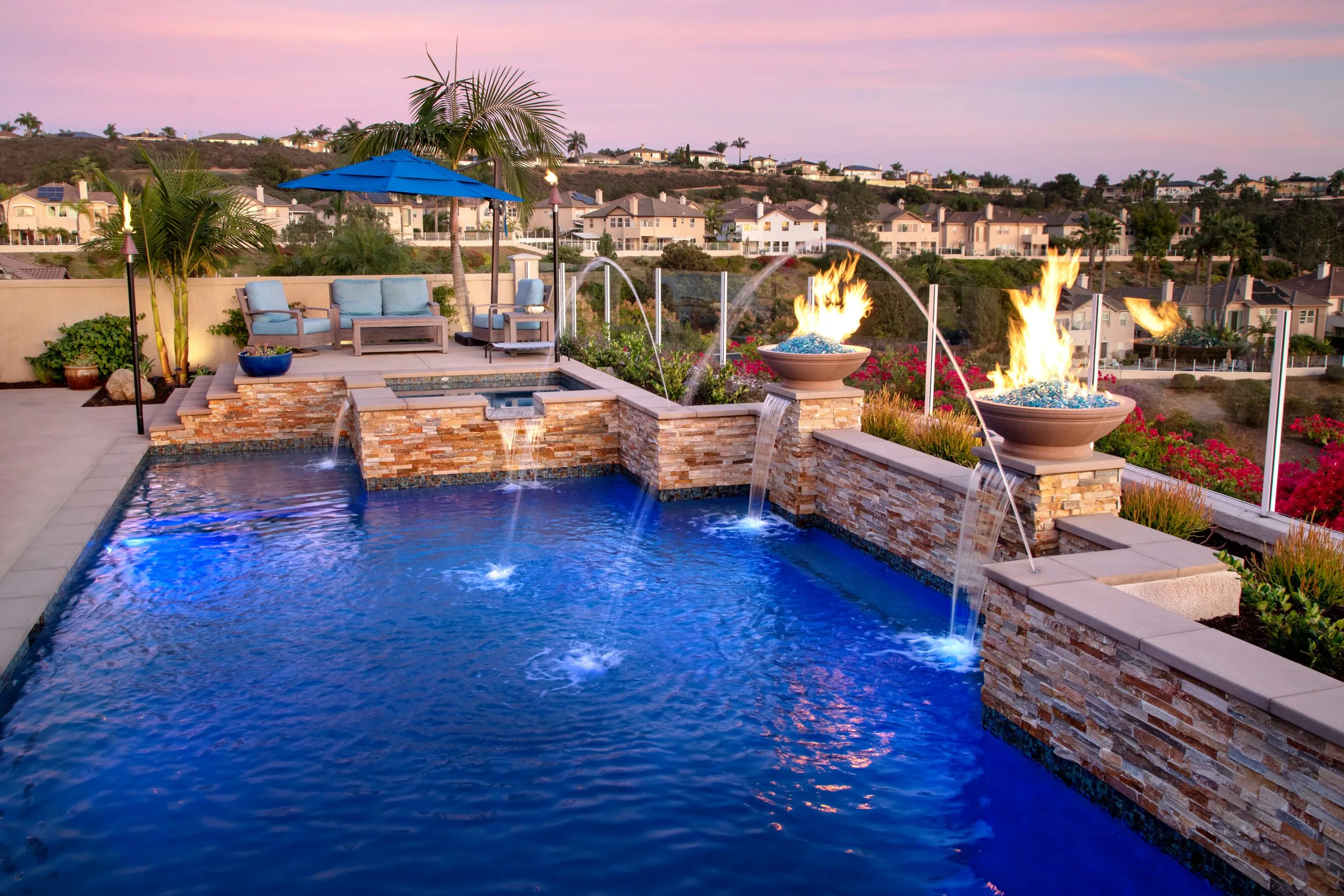

Maintaining a pristine swimming pool not only enhances your home’s aesthetic appeal but also ensures safety and enjoyment for you and your family. One crucial aspect of pool maintenance is resurfacing, a process that can often leave homeowners wondering: how often do pools need resurfacing in San Diego? This guide will break down resurfacing frequency, factors affecting it, and the benefits of timely maintenance.
Resurfacing is the process of applying a new layer of material to your pool’s interior surface, which can be made of plaster, pebble, or a variety of other finishes. In San Diego, pool resurfacing typically involves:
Generally, pools in San Diego require resurfacing every 10 to 15 years. However, several factors can influence this timeline:
Look out for these indicators that your pool may need resurfacing sooner than expected:
Resurfacing your pool at the right time delivers multiple benefits:
The costs associated with resurfacing can vary widely based on the type of material and the extent of work needed. Here’s a breakdown of potential fees:
For a more detailed breakdown of San Diego pool remodel costs, consider visiting San Diego pool remodel cost: what to expect.
The process of resurfacing usually requires draining the pool, repairing any underlying issues, and applying the chosen surface material. Professionals manage each phase carefully to ensure quality results.
Depending on the size of the pool and the complexity of the project, resurfacing can take anywhere from a few days to a couple of weeks.
While some may be tempted to attempt DIY resurfacing, it’s best left to professionals who can ensure proper application and compliance with local regulations.
If you’re unsure about the current state of your pool or would like to explore modern upgrades during your resurfacing project, check out our San Diego custom spa installation options or connect with a San Diego pool lighting installation company to elevate your outdoor space.
Properly maintaining your pool by resurfacing at the right intervals is crucial for ensuring its longevity and enjoyment. For more tips on pool care, including essential maintenance tasks like how do I winterize a pool in San Diego, stay informed and keep your investment looking its best!
DISCLAIMER: The information in this article has been generated by artificial intelligence, not a pool professional. The accuracy of the information in this article has not been verified by Mission Pools prior to publication and will not be updated. Therefore, this article should not be relied upon in lieu of independent research or consultation with a California pool installation or maintenance firm.


