
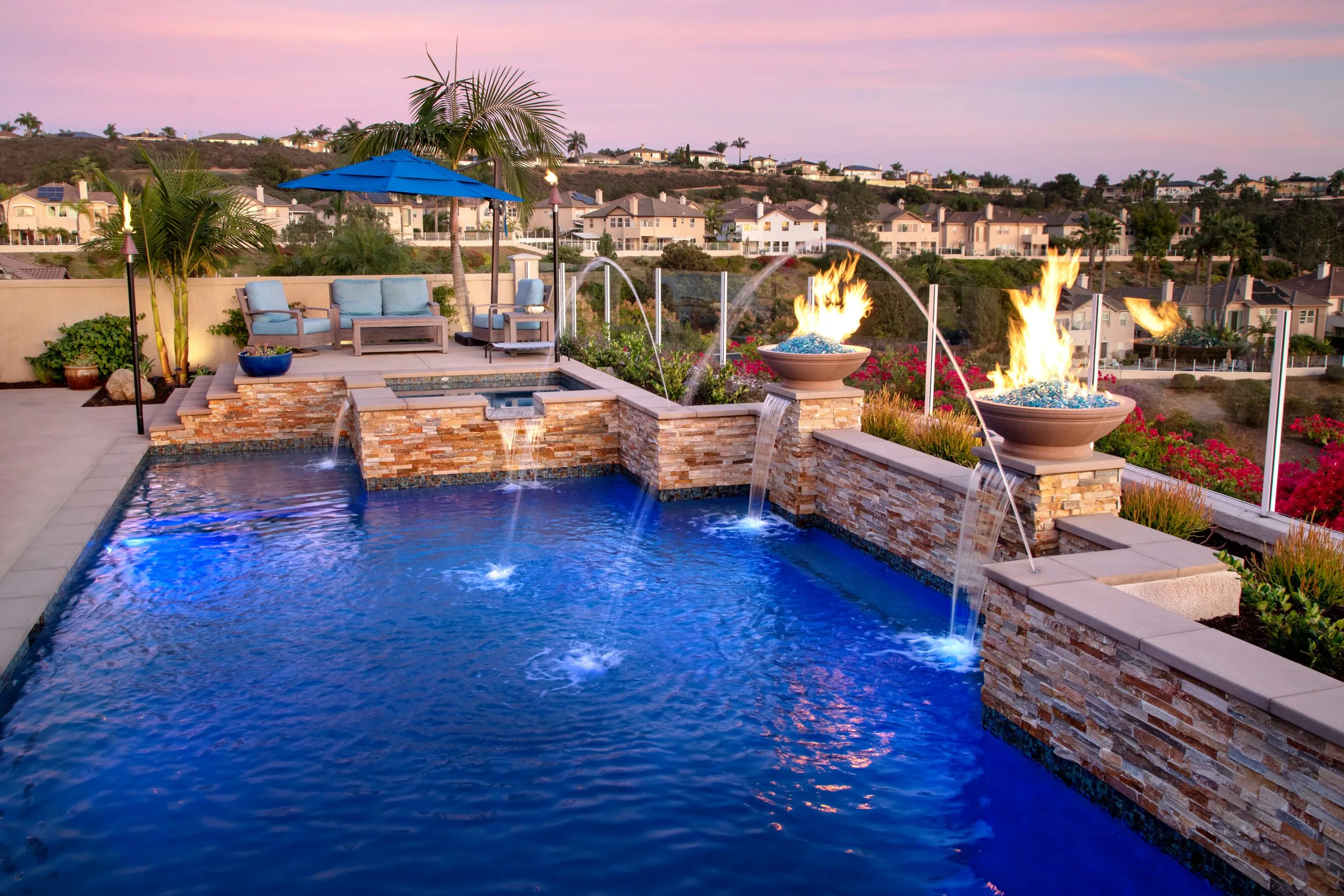

Constructing a pool is an exciting venture that enhances your outdoor living space, but it involves several crucial steps to ensure safety, compliance, and quality. One of these steps is the inspection process. Understanding how inspections work during pool construction can help you navigate the complexities of pool building more efficiently.
Pool inspections are essential for several reasons:
Before any construction begins, obtaining the necessary permits is crucial. The permitting process involves submitting detailed plans and undergoing inspections at various stages. To learn more about how long this may take, read about pool permitting.
Inspections generally occur at major milestones throughout the construction process. Here’s a breakdown of typical inspection stages:
Before any digging occurs, a pre-construction inspection is often required to review the proposed site. This inspection ensures that:
After excavation, inspectors assess whether the depth and dimensions of the pool conform to the approved plans. Key factors include:
In this phase, the structural integrity is inspected. Inspectors look for:
Once the gunite or shotcrete has been applied, inspectors review:
The final inspection occurs once the pool is complete. Inspectors ensure:
Regular inspections provide numerous benefits during pool construction:
If a pool fails inspection, the contractor must address the identified issues before a re-inspection can occur.
Homeowners can prepare by:
Absolutely! It’s wise to compare pool builder estimates to ensure that you choose a contractor who understands the inspection process and adheres to regulatory requirements.
Understanding how inspections work during pool construction not only helps you ensure a smooth process but also guarantees that your investment is safe and reliable. Involving professionals throughout the project can help navigate these inspections effectively, ensuring your dream pool becomes a reality while meeting all regulatory standards.
For more information on pool builders and their experience, visit pool builders. When you choose Mission Pools, you benefit from our commitment to quality craftsmanship, managed project experience, and customized designs tailored to your needs.
DISCLAIMER: The information in this article has been generated by artificial intelligence, not a pool professional. The accuracy of the information in this article has not been verified by Mission Pools prior to publication and will not be updated. Therefore, this article should not be relied upon in lieu of independent research or consultation with a California pool installation or maintenance firm.


