
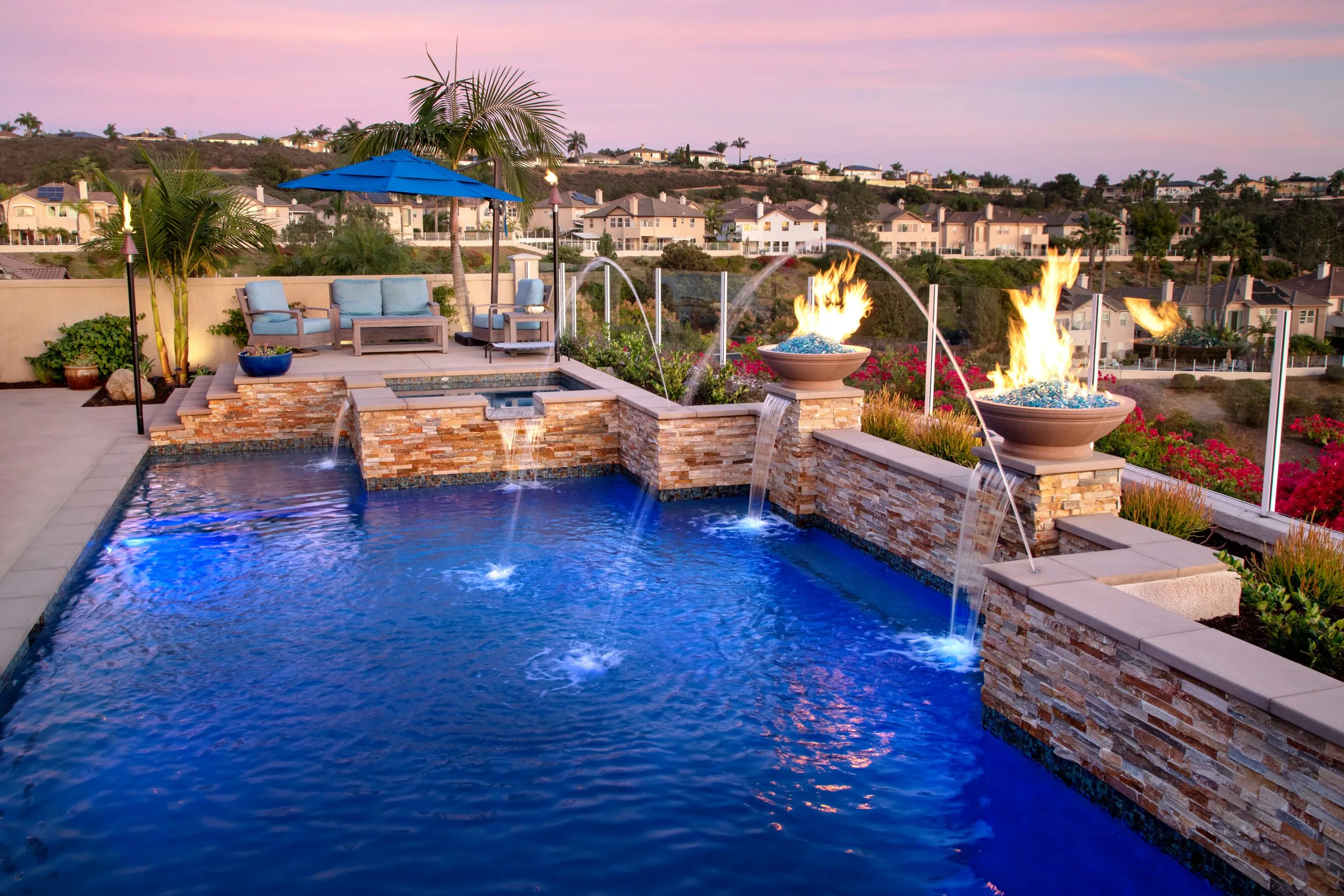

When considering building a family pool, one of the most crucial aspects to evaluate is its depth. The ideal depth contributes to not only enjoying the water but also ensuring safety and meeting the needs of all family members. This guide will delve into what constitutes a good depth for a family pool and how to make an informed decision.
For family pools, the depth can significantly influence usage, safety, and enjoyment. Here are some generic recommendations based on purpose:
Shallow Areas:
Deep Areas:
Diving Areas:
When determining the depth, it’s crucial to consider the overall size of your pool. A larger pool may allow for varied depth sections, enhancing the versatility for different activities:
The primary objective of selecting an appropriate depth is safety. Ensuring that your pool meets safety standards helps prevent accidents and drowning. The National Pool Safety Coalition suggests considering local regulations, especially for residential pools.
A pool with the right depth allows for a variety of activities:
Livable outdoor space adds value to your property. A well-designed pool that meets family needs, including appropriate depth adjustments, can enhance both enjoyment and home value.
The minimum depth for a family pool often starts at 3 feet to ensure safety for younger children while allowing leisurely swimming for adults.
Yes, varying depths create diverse areas for activities, ensuring that both children and adults can enjoy the pool safely.
Yes, a pool with a diving board should have a minimum depth of 8 to 10 feet to accommodate safe diving.
Yes, deeper pools may require more energy to heat water, so consider the impact of depth on energy efficiency if maintaining warmth is a priority.
For insight into safety, consider reading about the safety requirements for pools in San Diego.
To explore options for diverse design possibilities, check out our expert services on pool design that can help you create an ideal space for family fun.
Choosing the right depth for your family pool is vital not only for safety but also for enhancing your family’s enjoyment of the space. By carefully considering these factors, you ensure that the pool serves as a source of joy and relaxation for years to come. If you’re thinking about constructing a pool, don’t hesitate to reach out to the experts at Mission Pools for tailored advice and professional pool construction services that guarantee quality and safety. Explore our offerings to elevate your outdoor living experience, including our services in backyard pools and pool remodeling.
DISCLAIMER: The information in this article has been generated by artificial intelligence, not a pool professional. The accuracy of the information in this article has not been verified by Mission Pools prior to publication and will not be updated. Therefore, this article should not be relied upon in lieu of independent research or consultation with a California pool installation or maintenance firm.


