
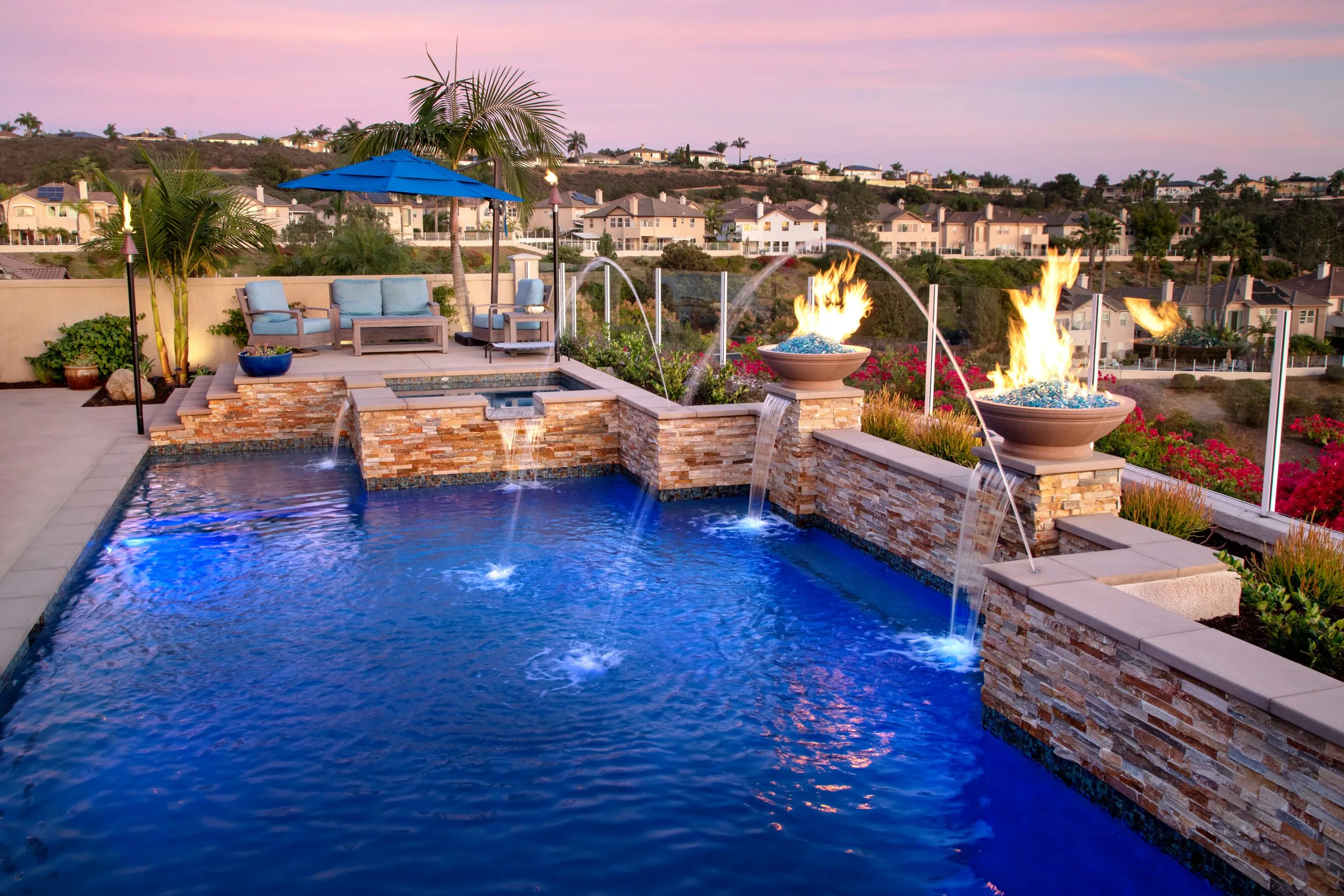

When it comes to selecting the perfect finish for your swimming pool, understanding the differences between plaster and pebble finishes is crucial. Each option offers distinct advantages, aesthetics, and maintenance requirements. In this article, we explore the key differences so you can make an informed decision for your pool renovation or new installation.
Pool finishes not only enhance the aesthetic appeal of your swimming area but also contribute to its longevity and maintenance. Among the most popular choices are plaster and pebble finishes.
Plaster is the traditional choice for pool surfaces and typically consists of a mixture of cement, water, and marble dust. This smooth finish offers several benefits, but it also comes with some drawbacks.
Pebble finishes, also known as exposed aggregate finishes, are created using small pebbles mixed with plaster. This choice is growing in popularity due to its unique aesthetic and durability.
| Feature | Plaster Finish | Pebble Finish |
|---|---|---|
| Longevity | 10 years | 15–25 years |
| Cost | More affordable | Higher initial investment |
| Surface Texture | Smooth | Textured |
| Maintenance | More frequent resurfacing | Less frequent maintenance |
| Aesthetic Appearance | Customizable, smooth finish | Natural, unique look with aggregates |
The best choice depends on your budget and preferences. For a cost-effective option with a sleek look, plaster is suitable. If you’re looking for durability and a natural aesthetic, consider a pebble finish.
Typically, plaster surfaces require resurfacing every 5 to 10 years, depending on usage, maintenance, and environmental factors. For more information, visit our page on replastering.
Yes, you can change your pool’s finish during remodeling. Whether switching from plaster to pebble or vice versa, this is often part of larger renovation projects. Learn more about our San Diego pool replastering services to revitalize your oasis.
The decision between plaster and pebble finishes ultimately comes down to your budget, aesthetic preferences, and maintenance expectations. Both finishes have unique characteristics that can enhance the beauty and functionality of your swimming pool. Whether you’re considering a new installation or planning a remodel, understanding what are the differences between plaster and pebble finishes is key to creating your ideal outdoor living space.
For other pool features and considerations, explore topics like pool plumbing or discover the best materials for pool coping. Let Mission Pools help you create the pool of your dreams!
DISCLAIMER: The information in this article has been generated by artificial intelligence, not a pool professional. The accuracy of the information in this article has not been verified by Mission Pools prior to publication and will not be updated. Therefore, this article should not be relied upon in lieu of independent research or consultation with a California pool installation or maintenance firm.


