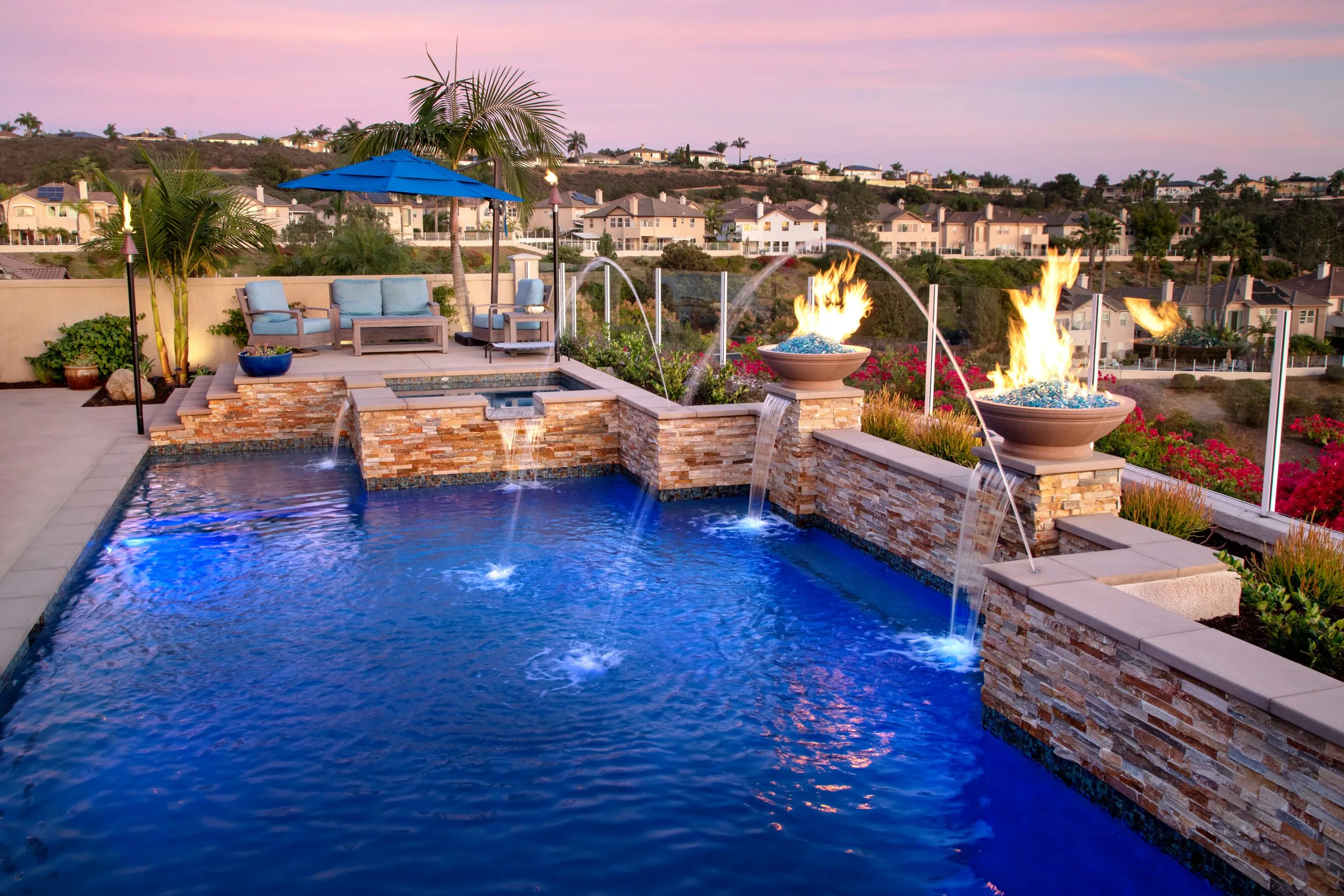
When considering pool construction or renovation, selecting the right pool finish is crucial for not only aesthetics but also long-lasting durability. With various options available today, it’s essential to understand which finishes will withstand the test of time and the elements.
Understanding Pool Finishes
The finish you choose for your pool plays a significant role in its overall performance, appearance, and upkeep. Let’s explore the most popular pool finishes and assess their durability.
Standard Pool Finish Options
-
Plaster
- Durability: A traditional choice known for its smooth surface and timeless appeal.
- Lifespan: Typically lasts 5 to 10 years but can vary based on maintenance.
- Cost: Generally more affordable for initial installation.
- Maintenance: Requires regular cleaning and occasional replastering.
-
Pebble Tec
- Durability: Made of small pebbles mixed with cement, providing a textured surface that is resistant to wear.
- Lifespan: Lasts around 15 to 20 years, making it a more durable choice.
- Cost: Higher initial installation cost due to materials and labor.
- Maintenance: Low maintenance compared to plaster; less prone to staining.
-
Quartz
- Durability: A blend of crushed quartz sand, polymer resins, and cement, offering superior strength and a stunning finish.
- Lifespan: Can last 10 to 20 years, depending on care.
- Cost: Moderate to high depending on the design and installation complexity.
- Maintenance: Typically requires less upkeep and is resistant to staining and wear.
-
Tile
- Durability: Ceramic or glass tiles are incredibly durable and can add a decorative touch.
- Lifespan: Designed to last decades when properly maintained.
- Cost: More expensive due to material and installation costs.
- Maintenance: Easy to clean but may require occasional resealing of grout lines.
Comparisons of Pool Finishes
- Longevity: While plaster may be the least expensive option upfront, finishes like Pebble Tec, quartz, and tile offer significantly longer lifespans.
- Maintenance: Tile and quartz finishes generally require less maintenance compared to traditional plaster.
- Aesthetic Variety: Tiles offer a wider array of color and design options, allowing for personalized pool aesthetics.
Benefits of Choosing Durable Pool Finishes
Investing in a durable pool finish presents several advantages:
- Cost-Effectiveness: While the initial investment may be higher for durable finishes, the reduced need for repairs and maintenance leads to long-term savings.
- Enhanced Aesthetics: Durable finishes maintain their beauty longer, enhancing the overall appeal of your pool and backyard oasis.
- Increased Property Value: A well-finished pool adds value to your home, attracting potential buyers.
Frequently Asked Questions
What is the lifespan of different pool finishes?
- Plaster: 5 to 10 years
- Pebble Tec: 15 to 20 years
- Quartz: 10 to 20 years
- Tile: Decades with proper maintenance
How often should I replaster my pool?
Replastering is generally needed every 5 to 10 years, depending on the finish type, usage, and maintenance routine. For more details, you can visit our page on replastering costs and considerations.
Can I change my pool finish during a remodel?
Yes, changing the pool finish is a common part of a renovation. Consult with professionals to explore options and find a finish that aligns with your desired aesthetics and durability.
Conclusion
Choosing the best pool finish for durability is an essential decision in building or renovating your pool. While options like plaster may be more budget-friendly initially, investing in finishes like Pebble Tec, quartz, or tile could provide greater longevity and reduced maintenance costs. If you are considering a pool construction project, our pool construction guide will help you create your backyard paradise.
With the right finish, you can ensure your pool not only looks stunning but also stands resilient against the challenges of time and use. Prioritize quality craftsmanship and professional installation to maximize your investment and enjoy your pool for years to come. For more insights, check out our essential installation guidelines for a seamless experience!
DISCLAIMER: The information in this article has been generated by artificial intelligence, not a pool professional. The accuracy of the information in this article has not been verified by Mission Pools prior to publication and will not be updated. Therefore, this article should not be relied upon in lieu of independent research or consultation with a California pool installation or maintenance firm.