
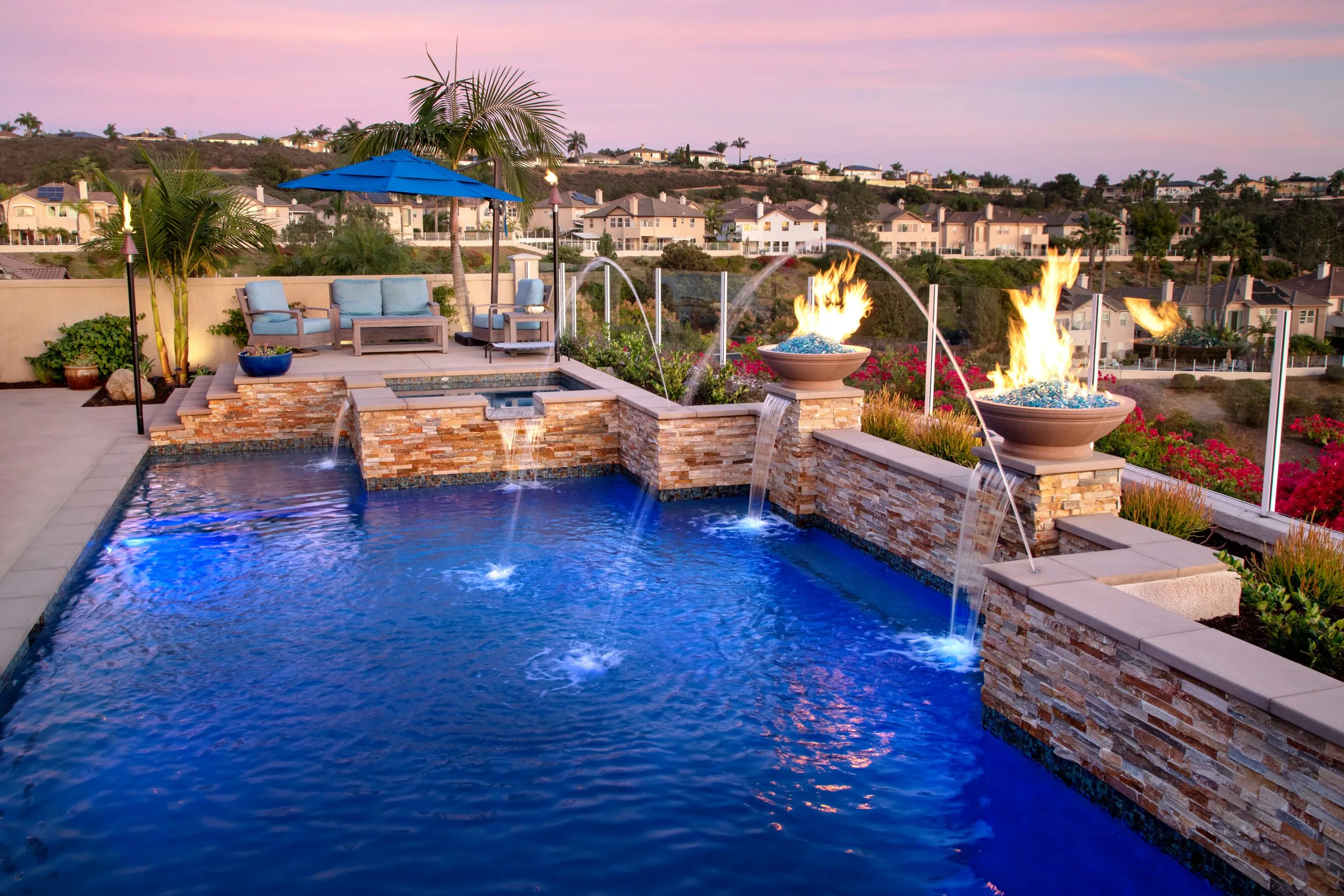

Designing a pool is a multifaceted process that involves meticulous planning and consideration of numerous factors. One of the most critical considerations is soil conditions, which can profoundly impact the design, construction, and long-term maintenance of your swimming pool. Understanding how soil characteristics influence pool design is essential for ensuring a safe, durable, and aesthetically pleasing installation.
Clay Soil
Sandy Soil
Loamy Soil
Rocky Soil
Conducting a thorough soil analysis is imperative before construction begins. Here’s how soil conditions affect pool design:
Utilizing professional services for geological assessments can lead to a custom design that addresses the specific soil characteristics present on your property.
Given the unique challenges presented by various soil conditions, here are some design strategies that can be implemented:
Incorporating appropriate landscaping design is integral to complementing the pool while addressing soil limitations. Techniques such as terracing, proper grading, and native plant selections can enhance both the pool’s aesthetics and its integration into the environment. Discover scenic options for enhancing your pool’s appeal in our landscaping guide.
Investing in a professional pool design that takes soil conditions into account offers several compelling benefits:
When considering the installation of a new pool or renovation of an existing one, the expertise of a quality contractor can streamline the process and elevate your outdoor experience.
Loamy soil is often considered ideal due to its balance of drainage and support. It allows for easier excavation while providing stability.
A soil test can reveal the type and composition of your soil, informing you about its load-bearing capacity and drainage characteristics.
Yes, in many cases, soil conditions can be modified through engineering solutions such as soil stabilization techniques or by replacing bad soil with suitable materials.
Excessive water pooling, cracked pavement near the pool area, or frequent settling can indicate inadequate drainage stemming from soil issues.
Asking how do soil conditions affect pool design? is paramount for anyone considering pool installation or remodeling. By acknowledging the influence of soil types on the design and construction of your pool, you can ensure that your outdoor oasis is both beautiful and structurally sound.
For more insights on effective outdoor spaces, including upscale pool construction and environmentally friendly systems, contact our expert team at Mission Pools. Let us transform your vision into reality while respecting the unique aspects of your property’s soil.
DISCLAIMER: The information in this article has been generated by artificial intelligence, not a pool professional. The accuracy of the information in this article has not been verified by Mission Pools prior to publication and will not be updated. Therefore, this article should not be relied upon in lieu of independent research or consultation with a California pool installation or maintenance firm.


