
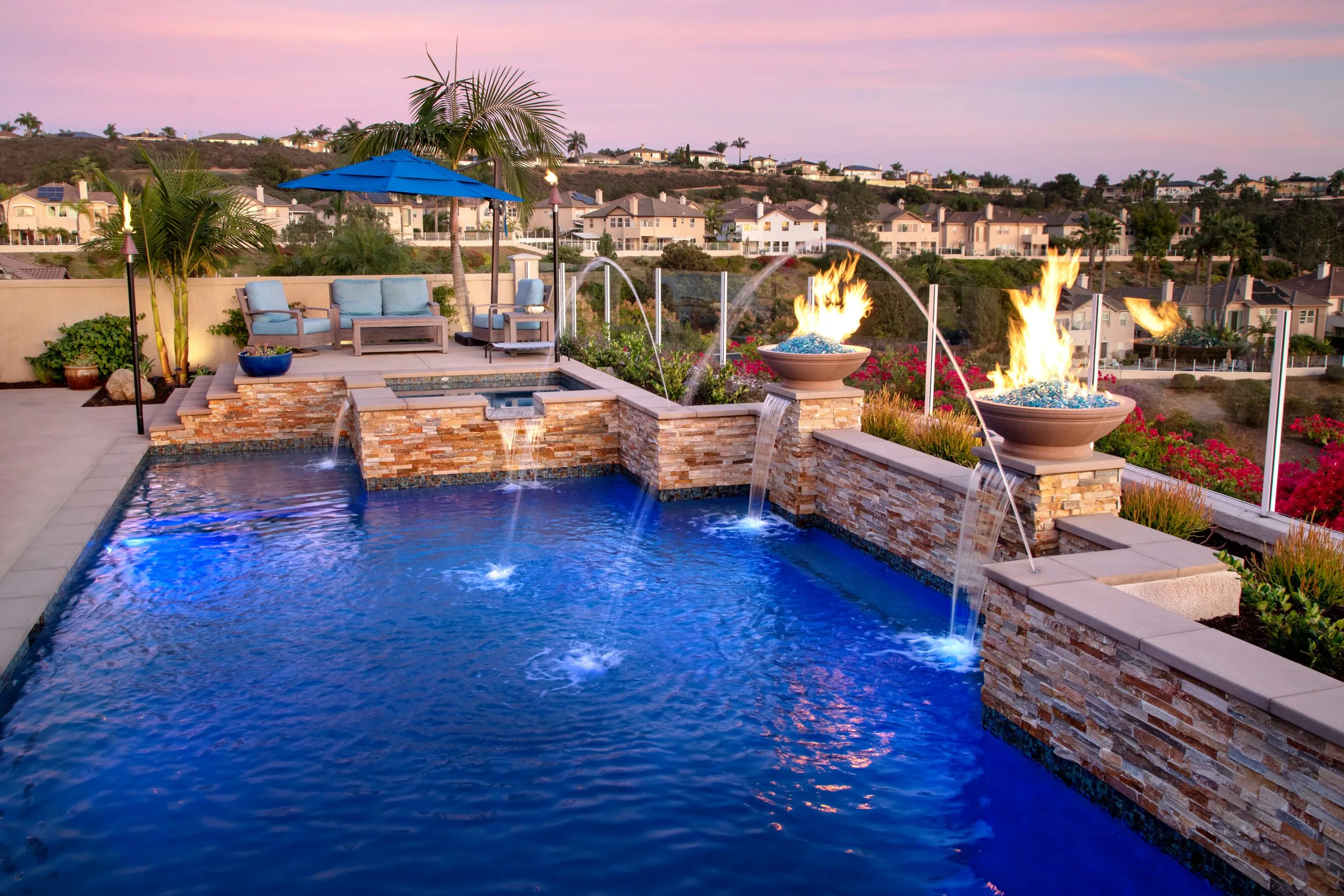

When designing a pool, one of the most critical elements to consider is the coping. This finishing touch not only enhances the aesthetic appeal of your pool but also serves practical purposes, such as providing a safe walkway and protecting the pool structure. In this guide, we’ll explore the best materials for pool coping, their benefits, and how to choose the right one for your outdoor living space.
Pool coping is the material that caps the edge of the pool shell. It plays a vital role in water management, helping to direct water away from the pool and preventing erosion. Additionally, coping provides a clean and finished look, enhancing your pool’s overall design.
Selecting the best coping material depends on various factors, including design preferences, functionality, and maintenance. Below are some of the most popular coping materials, each with unique characteristics.
Natural stone, such as granite, slate, or limestone, is a robust choice known for its durability and beauty. It offers a timeless look and is available in various textures and colors.
Poured concrete coping is a versatile option that can be customized to fit any design. It can be colored or stamped to resemble natural stone or pavers, making it a functional yet attractive choice.
Brick coping gives a classic, traditional aesthetic. It is a durable option that can be interlocked for stability and can be finished in different shades.
Tile coping offers a rich palette of colors and designs. Porcelain or ceramic tiles can be used, providing a non-slip surface when wet.
Precast concrete coping allows for precise shapes and sizes. This material is manufactured off-site and brought to your location, ensuring quality control.
When determining what is best for pool coping materials, consider the following factors:
Ensure that the coping material complements the overall design of your pool and surrounding landscaping. Think about the architectural style of your home and any outdoor features.
Choose a material that withstands your local climate conditions. For instance, natural stone can handle extreme temperatures better than some tiles.
Different materials have varying maintenance needs. For example, natural stone may require sealing, while tiles are easier to maintain.
Opt for non-slip surfaces, especially if you have children or elderly family members using the pool. Your coping choice should enhance safety around the pool perimeter.
Poured concrete is generally the most affordable option, providing a good combination of cost-effectiveness and versatility.
Yes, natural stone is durable and can increase the aesthetic appeal of your pool, potentially adding value to your property.
Regular cleaning with mild detergents, along with periodic sealing for porous materials, will keep your coping in good condition.
While DIY installations are tempting, hiring professionals ensures proper installation and adherence to safety standards. Explore our practical solutions for pool maintenance to keep your pool in top shape.
Choosing the best pool coping material involves balancing aesthetics, functionality, and maintenance. By understanding the various options available, you can select a coping material that not only enhances the look of your pool but also meets your practical needs. Consider consulting with a professional pool builder to explore custom designs and materials suited to your outdoor living environment. For additional insights on pool construction, lean into our expertise on eco-conscious materials for pool construction.
Ready to elevate your pool’s style and functionality? Contact us today for personalized advice on pool upgrade ideas that will transform your backyard oasis.
DISCLAIMER: The information in this article has been generated by artificial intelligence, not a pool professional. The accuracy of the information in this article has not been verified by Mission Pools prior to publication and will not be updated. Therefore, this article should not be relied upon in lieu of independent research or consultation with a California pool installation or maintenance firm.


