
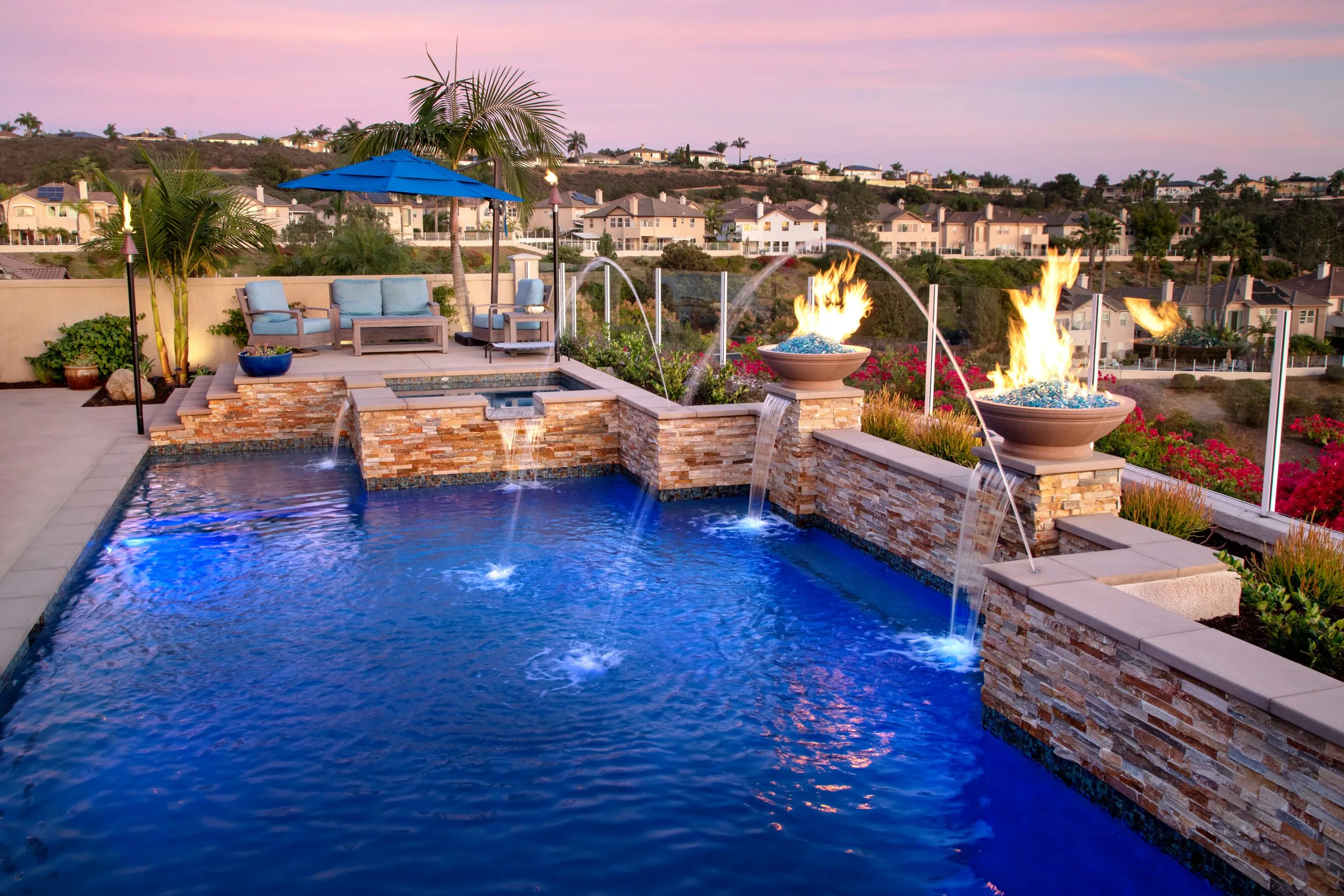

When it comes to enjoying your pool year-round, the right heating system can make all the difference. Homeowners often wonder, “what type of heating works best for pools?” With various options available, understanding the pros and cons of each system can help you make an informed decision. In this guide, we will explore the most effective pool heating solutions, their benefits, and what you should consider when selecting the right type for your needs.
There are several types of heating systems for pools, each with unique advantages and ideal usage scenarios.
Gas heaters are popular due to their ability to heat water quickly. They are powered by natural gas or propane and are ideal for those who need a fast heating solution.
Benefits of Gas Heaters:
Considerations:
Electric heat pumps utilize electricity to capture heat from the air and transfer it to the pool water, making them an energy-efficient option.
Benefits of Electric Heat Pumps:
Considerations:
Solar pool heaters are an eco-friendly and cost-effective solution that uses solar panels to capture sunlight and convert it into heat for the pool.
Benefits of Solar Pool Heaters:
Considerations:
Electric resistance heaters directly warm the pool water by converting electricity into heat, providing a straightforward but less efficient heating method.
Benefits of Electric Resistance Heaters:
Considerations:
When determining “what type of heating works best for pools?” several factors come into play:
The most cost-effective heating method tends to be solar heating. Once installed, the operational costs are minimal since sunlight is free.
Gas heaters can heat a pool in just a few hours, while heat pumps may take one to several days depending on the environmental temperature.
Yes, heating costs can increase during winter months, particularly if using gas heaters, due to lower ambient air temperatures requiring more energy.
Yes, combining methods, such as a heat pump and solar heater, can optimize efficiency and reduce operational costs.
Selecting the right heating system is crucial for maximizing your enjoyment of your pool. By carefully considering your climate, budget, and how often you use your pool, you can determine what type of heating works best for pools.
For a customized pool experience that includes optimal heating systems, contact our team at Mission Pools. Our experts can guide you through each option and help you design the perfect outdoor oasis. To learn more about the costs involved in building a pool, visit our page on the average cost of building a pool. If you’re curious about the timeline for installation, check out our detailed guide on pool installation timeframes.
With the right heating solution, your pool can remain a sanctuary for relaxation and entertainment throughout the year!
DISCLAIMER: The information in this article has been generated by artificial intelligence, not a pool professional. The accuracy of the information in this article has not been verified by Mission Pools prior to publication and will not be updated. Therefore, this article should not be relied upon in lieu of independent research or consultation with a California pool installation or maintenance firm.


