
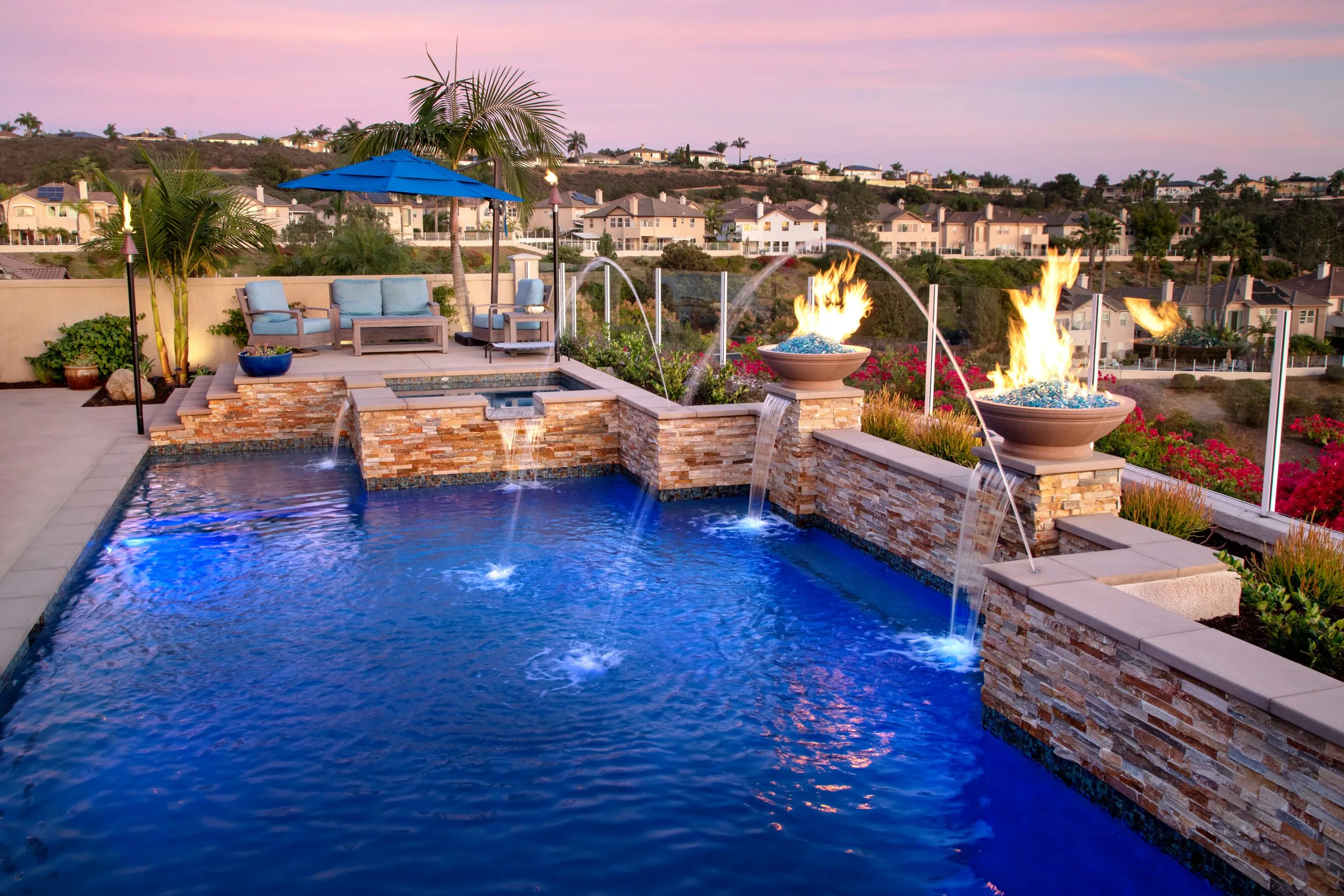

Creating a dream pool often involves more than just style and aesthetics; the surrounding environment significantly impacts pool construction and maintenance. One crucial factor to consider is sandy conditions and how they influence pool setting. In this article, we’ll explore the implications of sandy soil on pool design, installation, and upkeep, helping homeowners make informed decisions.
Sandy conditions refer to soil that predominantly consists of small particles of weathered rock and minerals. This type of soil typically drains water faster than clay or loamy soils, making it essential for homeowners to understand its influence on pool settings.
When constructing a pool, the soil type beneath it plays a critical role in ensuring structural integrity and long-term durability. Sandy soil presents several unique challenges and benefits:
Drainage Capability: Sandy soils drain quickly, which is advantageous for preventing water accumulation around the pool. However, poor drainage can lead to instability.
Compaction: Sandy soil requires proper compaction to support heavy structures like pools. Without adequate compaction, the pool could settle unevenly over time, leading to cracks or leaks.
Shifting and Erosion: In regions with high winds or rain, sandy soils are prone to shifting. This may change the landscape around the pool and threaten the stability of the surrounding structures.
When considering how sandy conditions influence pool setting, it’s imperative to customize designs that address the specific challenges of sandy soil. Here are key design considerations:
Foundation Preparation: Proper excavation and compaction of sand layers are essential. Professional pool builders, like Mission Pools, utilize expert techniques to ensure a stable foundation, minimizing risks associated with sandy conditions.
Reinforced Structural Supports: With sandy soil, installing reinforced supports can mitigate the effects of shifting. Using quality materials and engineering principles ensures the pool remains structurally sound.
Water Drainage Systems: Implementing a reliable drainage system prevents excess water from pooling around the pool and minimizes erosion. This can include French drains or proper grading of the surrounding landscape.
Various pool types are suitable for sandy conditions:
Gunite Pools: These provide flexibility in shape and are ideal for sandy areas due to their robust structure. Gunite pools can withstand slight movements in the ground, making them a favored choice.
Infinity Pools: Known for their stunning visuals, infinity pools also require careful stabilization. As sandy conditions affect the surrounding landscape, meticulous planning is crucial.
For more on pool design, check out our page on deluxe pool constructions.
Sandy conditions can lead to specific maintenance challenges for pool owners. Understanding these issues allows for proactive management:
Regular Inspections: Conduct frequent checks on the pool’s foundation and surrounding areas. Inspect for any signs of shifting soil or erosion that may affect stability.
Landscaping Choices: Select suitable plants and features that help hold the soil in place. Deep-rooted plants can reduce erosion while enhancing the beauty of your outdoor space.
Maintenance of Drainage Systems: Ensure any installed drainage systems remain functional. Regular cleaning and monitoring can prevent blockages that might lead to water pooling.
Hire Professionals: Engage licensed contractors with experience in working with sandy conditions. Quality craftsmanship can mitigate many risks associated with soil instability.
Understand Local Soil Conditions: Consulting with local experts about sandy soil characteristics can guide design choices that enhance durability and reduce maintenance costs.
Be Prepared for Weather Challenges: In areas prone to heavy rainfall or high winds, implement protective measures, such as maintaining proper drainage and erosion control.
Sandy conditions provide quick drainage but require thorough compaction and proper foundation preparation for structural stability.
Gunite pools are often recommended due to their durability and ability to handle minor shifts in the ground; infinity pools are also a popular choice with careful planning.
Regular inspections, proper landscaping, and effective drainage management are essential for maintaining pools in sandy conditions.
Yes, sandy soils can erode easily, especially in high winds or heavy rainfall. Maintaining landscaping and drainage systems helps mitigate this risk.
In conclusion, understanding how sandy conditions influence pool setting is vital for homeowners looking to create stable and beautiful outdoor spaces. By considering design variations, structural integrity, and maintenance strategies, you can ensure a long-lasting and enjoyable pool. For a deeper dive into creating lovely poolside environments, explore our resources on stylish poolside aesthetics and eco-friendly designs, tailored to your unique setting. Engage with our team at Mission Pools today to transform your vision into reality!
DISCLAIMER: The information in this article has been generated by artificial intelligence, not a pool professional. The accuracy of the information in this article has not been verified by Mission Pools prior to publication and will not be updated. Therefore, this article should not be relied upon in lieu of independent research or consultation with a California pool installation or maintenance firm.


