


One cloudy day can undo a season of reviews. For a hotel, HOA, or gym, a commercial pool is a promise of safe water, steady hours, and a facility that feels cared for.
That promise is protected by commercial swimming pool maintenance, with testing and logging chemistry, checking circulation, and correcting drift before it becomes a closure. High bather loads move numbers fast, and inspections do not wait.
At Mission Pools, we’ve maintained Southern California pools for decades, so we know what fails first. We build routines that prioritize safety, compliance, and equipment life, not quick fixes.
The gap between residential care and commercial swimming pool maintenance is bigger than most facility managers expect.
A backyard pool serves one household, so changes build slowly. In a public setting, however, hundreds of bathers can hit the water in a day, and chemistry can drift in hours.
That’s exactly why inspections focus on public risk, not convenience. As the CDC Pool Inspection Toolkit notes, about 1 in 8 routine public pool inspections result in immediate closure when serious health hazards are found, and that disruption can quickly turn into lost revenue and reputational damage, with property value pressure that can linger.
Because of that, the goal is simple: keep disinfectant and pH steady, confirm circulation and filtration performance, and document each check so small issues are caught early and corrected fast.
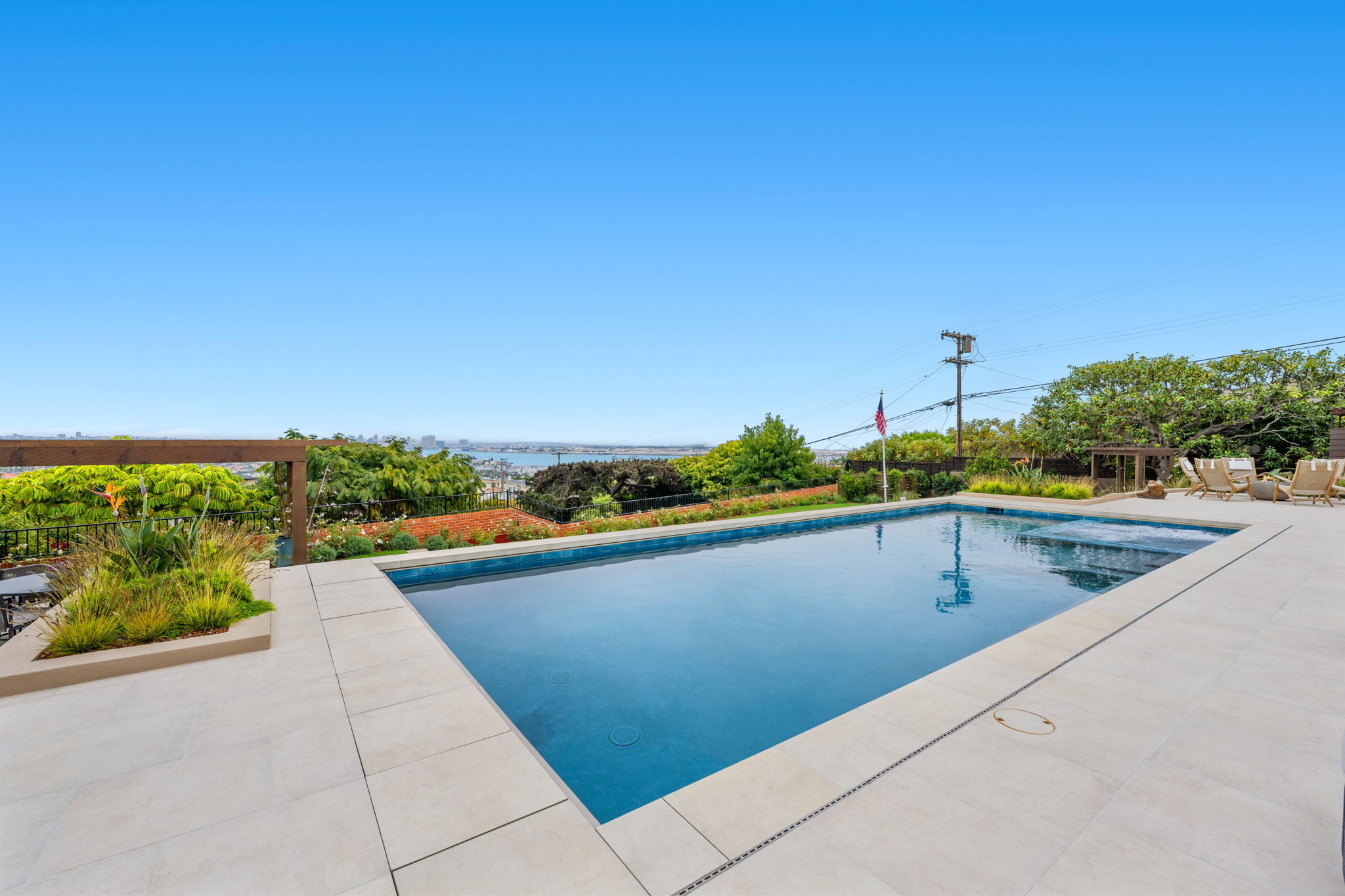
Commercial pool regulations demand permits, daily chemistry logs, and compliant safety equipment, setting clear standards for public health.
California public pools operate under permits, scheduled inspections, and enforceable operating records. In Southern California, those records need to stay organized, since an inspector can review them on-site.
Under California Title 22 §65523, operators test disinfectant residual and pH at least once daily, and they also record daily temperature for heated pools. Automated monitoring can support the process, yet it still requires proper calibration and enforcing-agent approval.
Just as important, logs must capture readings, equipment checks, calibrations, and corrective actions, then remain available for at least two years.
Water quality standards in California leave little room for drift, so chemistry targets need daily attention.
The Placer County guide summarizes Title 22 ranges, including pH 7.2–7.8 for public pools.
When pH drifts, chlorine effectiveness drops, and surfaces wear faster.
From there, disinfectant residuals keep sanitation continuous. Free chlorine stays at least 1.0 ppm without stabilizer, or 2.0 ppm with stabilizer, and it stays below 10 ppm; during peak use, extra dosing and retesting keeps readings steady and surfaces protected.
Safety compliance supports commercial swimming pool maintenance through clear rules, rescue readiness, and accessible entry.
Before you open, reset the pool to a known-safe baseline. Start with water checks, then move through circulation and safety so servicing plans stay consistent and nothing gets missed.
Finally, file the log where staff can find it, since records support compliance and liability protection during inspections and after any incident.
Weekly cleaning controls buildup and chlorine demand, while monthly inspections catch equipment wear early and prevent peak-season failures.
Weekly commercial swimming pool maintenance keeps surfaces clean and circulation efficient, so daily chemistry stays stable. Start by brushing walls and tile lines, then vacuum the floor to remove debris before it feeds algae or spikes sanitizer demand.
After cleaning, backwash the filter to restore flow and reduce pressure strain.
As these steps stay consistent, chlorine demand tends to stay predictable, and small issues show up early instead of during a rush weekend.
Monthly commercial swimming pool maintenance focuses on early warning signs, so you fix problems before they force downtime. It also creates a clear record of condition checks, which supports safer operations and smoother inspections.
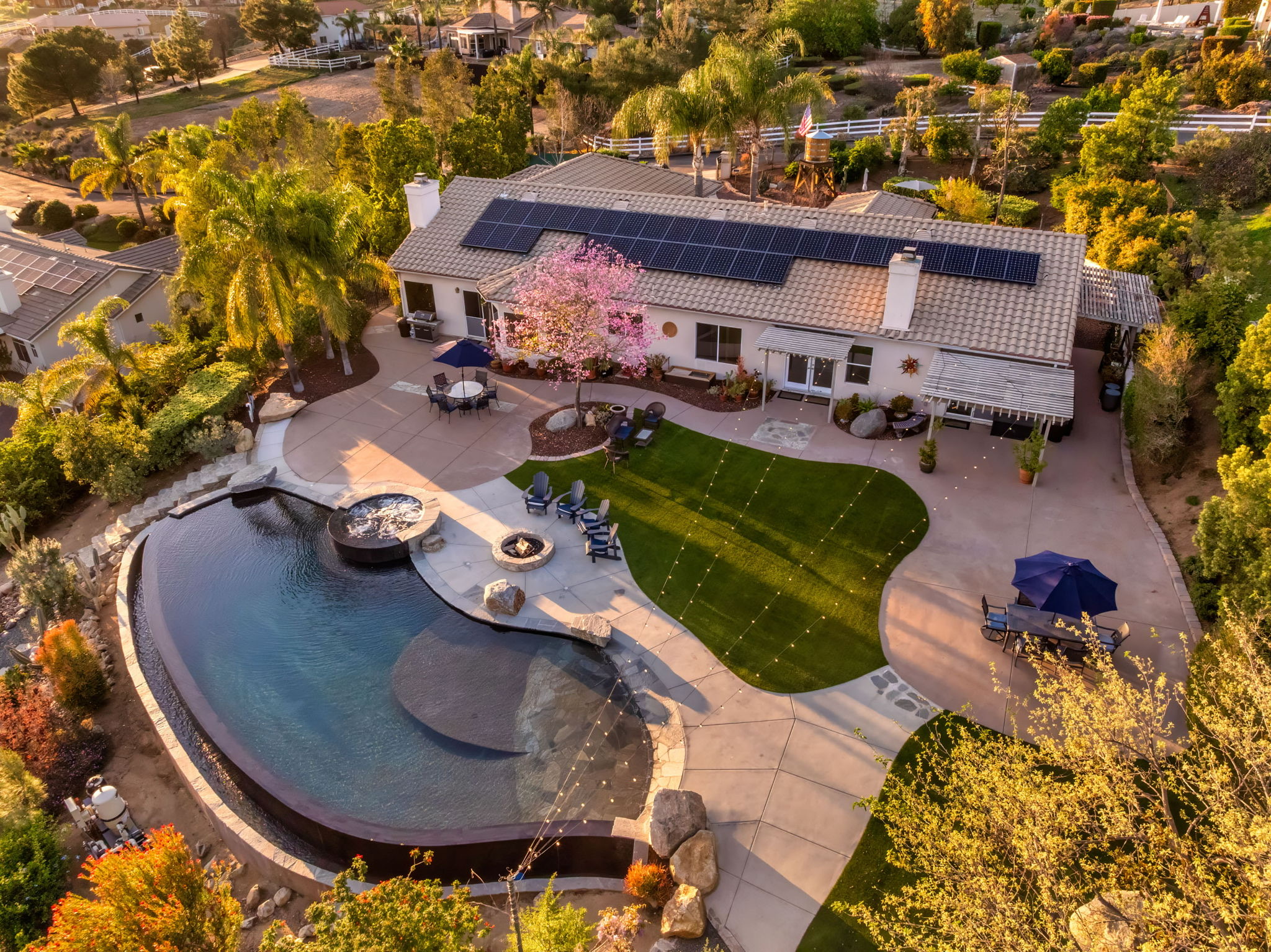
Water chemistry stays stable when chlorine, pH, and alkalinity are managed together, with proactive oxidation to control contaminants.
High bather loads add organic material fast, from sunscreen and perspiration to nitrogen compounds. As that waste builds, free chlorine drops sooner, so water can turn cloudy and algae can gain traction.
Because of this, chlorine control needs a proactive rhythm. Weekly shock treatments during summer help oxidize contaminants and restore sanitizer performance.
And when demand stays high, UV or ozone systems can reduce the load on chlorine, so the water stays cleaner with fewer swings. Even then, primary chlorination remains the core layer, and secondary systems work best as support.
pH and total alkalinity work as a pair, so tracking them together keeps chemistry steady. Alkalinity, ideally in the 80–120 ppm range, acts like a buffer, which helps slow sudden pH swings.
When pH drifts low, swimmers feel it first through eye and skin irritation, and then equipment pays the price through faster corrosion. When pH climbs high, chlorine becomes less effective, so water can turn dull and cloudy.
Smart controllers can automate dosing and capture data, yet they still need regular calibration.
Just as important, written records remain required in California, even when an automation platform stores readings.
Algae and bacteria take hold when organics build up faster than sanitizer can keep up.
High bather loads create that pressure fast, since sunscreen, perspiration, and nitrogen compounds feed growth and drain free chlorine.
So prevention works best as a layered routine. Weekly shock treatments in summer oxidize waste and reset chlorine performance. When traffic stays heavy, UV or ozone can support primary sanitation, while steady circulation keeps coverage consistent.
Turnover time sets the baseline for circulation performance. Under the California Building Code turnover standard, many public pools must achieve a complete turnover within six hours or less.
So pumps need correct sizing and steady pressure, while return lines stay clear and filter media stays clean. A long-term builder partner helps keep equipment decisions aligned. Even then, maintenance timing should follow usage.
A near-capacity July schedule loads filters fast and pushes flow harder, while a quieter November window often eases both, so inspection and media service intervals should shift with demand.
Deck upkeep reduces injuries and liability by controlling traction, drainage, and surface damage around high-traffic pool entry points.
Slip risk starts on the deck, so surface care needs the same urgency as water care. When algae, sunscreen film, and mineral deposits build up, even textured concrete can lose traction.
That’s why routine pressure washing matters, especially along walk paths and entry points.
Then, place wet floor signage before traffic spikes, not after someone points out a slick spot.
Finally, repair cracks and lifted sections quickly, since damaged areas catch toes and also let water seep in, which speeds up deterioration over time.
Drainage keeps the deck predictable underfoot, so drains need to stay clear every day. When water sits, traction drops, and the area can also attract bacteria and pests.
That’s where slope does the heavy lifting. A proper pitch moves runoff toward deck drains quickly, which limits pooling near entries and corners. Over time, though, settling and small cracks can change water paths, so periodic checks help you catch new low spots before they turn into recurring hazards.

Good logs turn routine maintenance into a controlled system.
Start by recording every chemical test, equipment reading, and corrective action as it happens, then keep the log on-site so staff can pull it fast. With consistency, patterns show up early, and small drifts get corrected before they become incidents.
California also treats records as a compliance requirement under the California Department of Public Health regulation text, including daily entries and a two-year retention window for inspection. Because of that, documentation doubles as protection during inspections, and it also strengthens your position if a claim surfaces later.
Professional service reduces compliance risk and downtime by applying consistent expertise, preventive routines, and faster response when issues arise.
Commercial swimming pool maintenance runs on rules, records, and safe chemical handling, so expertise matters daily. Licensed technicians stay current on California Title 22 requirements, while also tracking how local health departments interpret and enforce them.
Since expectations vary by jurisdiction, consistent oversight helps prevent avoidable violations.
Trained pros also manage commercial-volume chemicals with safer procedures, which reduces risk for staff and guests.
Deferred maintenance often turns minor wear into a shutdown during peak season.
Preventive service catches pressure drift, seal wear, and flow changes early, so repairs stay smaller and planned. Costs stay predictable, and equipment life improves.
Scheduled service removes guesswork, because work happens on a fixed cadence with clear accountability. Emergency coverage also limits downtime when failures hit on busy weekends.
Reliable maintenance supports steady water quality, stronger guest confidence, and fewer surprise closures.
Since 1960, we’ve built and maintained commercial pools across Southern California, including distinctive circular pools, and our approach stays rooted in long-term performance. You can see that legacy in our story.
Because this region runs long swim seasons, equipment works harder, UV pressure rises, and chemical demand climbs, so maintenance plans need to match local conditions. Our commercial pools work and maintenance services programs align to both load, site use, and compliance needs.
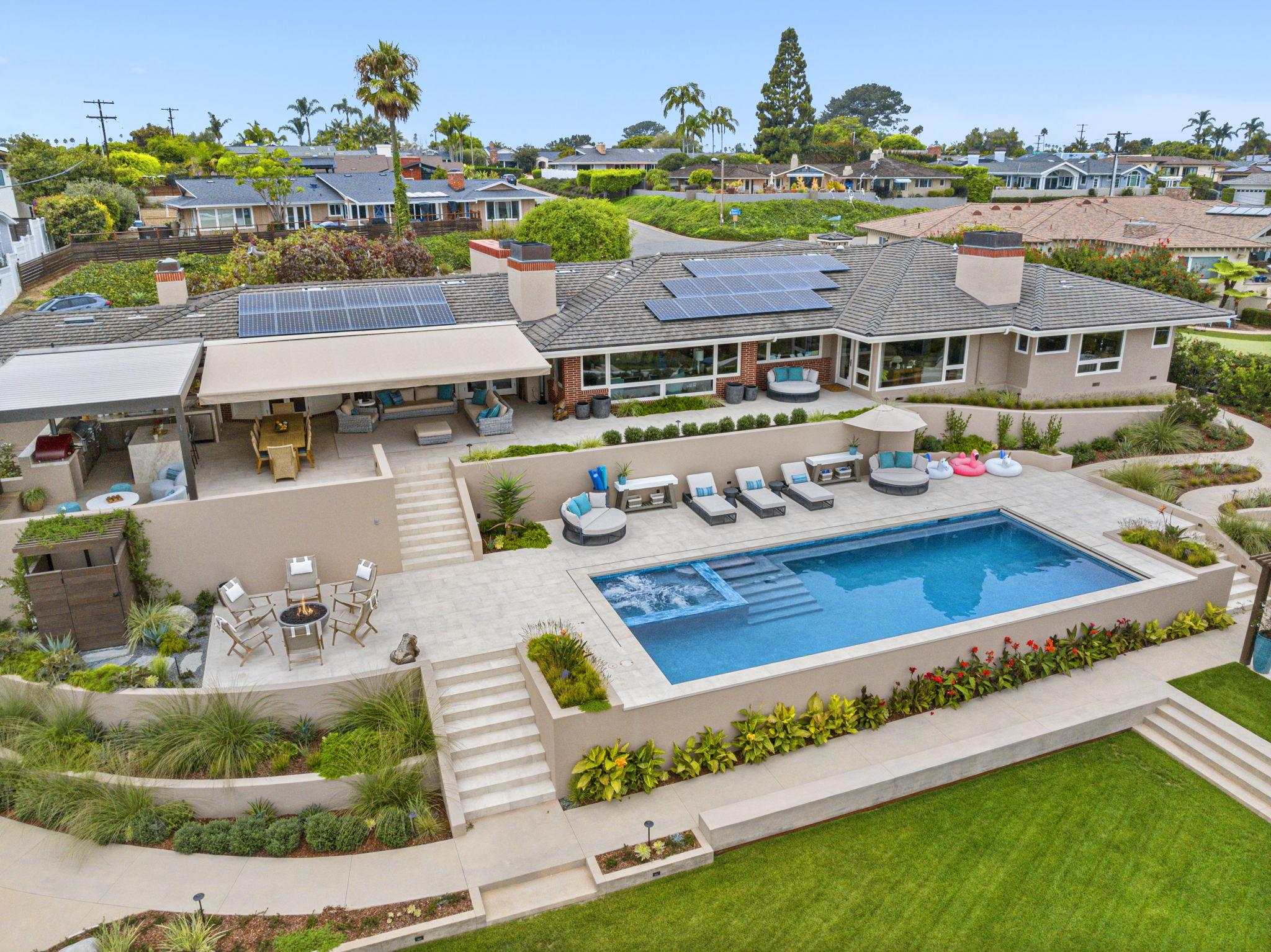
Commercial swimming pool maintenance keeps your facility open, your guests safe, and your operating costs predictable. Clean water supports confidence. Consistent records support compliance. Reliable equipment supports uptime, especially during peak season.
Mission Pools has supported Southern California facilities since 1960, and we build maintenance plans around real bather load, site conditions, and local requirements.
Contact us today and we’ll map a maintenance plan that fits your facility, supports inspections, and keeps your pool running smoothly year-round.
Test disinfectant and pH at least once per day and record results in a written log. High-traffic facilities should test multiple times daily, especially before opening and after peak use periods. Heated pools also require a daily temperature check.
Maintain enough free chlorine to continuously sanitize the water, with more frequent adjustments during peak use. Combined chlorine must stay below 0.4 ppm, and shock treatment should be performed when swimmer waste builds up and reduces sanitizer effectiveness.
Serious violations can trigger an immediate closure order. Depending on the issue, fines, reinspection fees, and corrective action timelines may also apply. Repeated violations can escalate penalties and risk permit suspension.
Commercial pools face stricter regulations, higher bather loads, and routine inspections. They also require tighter chemistry control, higher equipment capacity, turnover requirements, and formal documentation that residential pools typically do not need.
Professional commercial maintenance teams provide trained technicians, compliance knowledge, proper chemical handling, and consistent service records. That support reduces inspection risk, prevents breakdowns, and limits liability exposure while keeping operations steady year-round.
You know . . . you just do not wake up one day and decide you can be someone’s partner in business. Strong relationships take...

Southern California is known for a lifestyle second to none. Our area that started out as an arid desert has now become a land of...
Yesterday was an example of why my brother and I enjoy this business so much. Contracting is all about solving problems…problem/solution management.


