
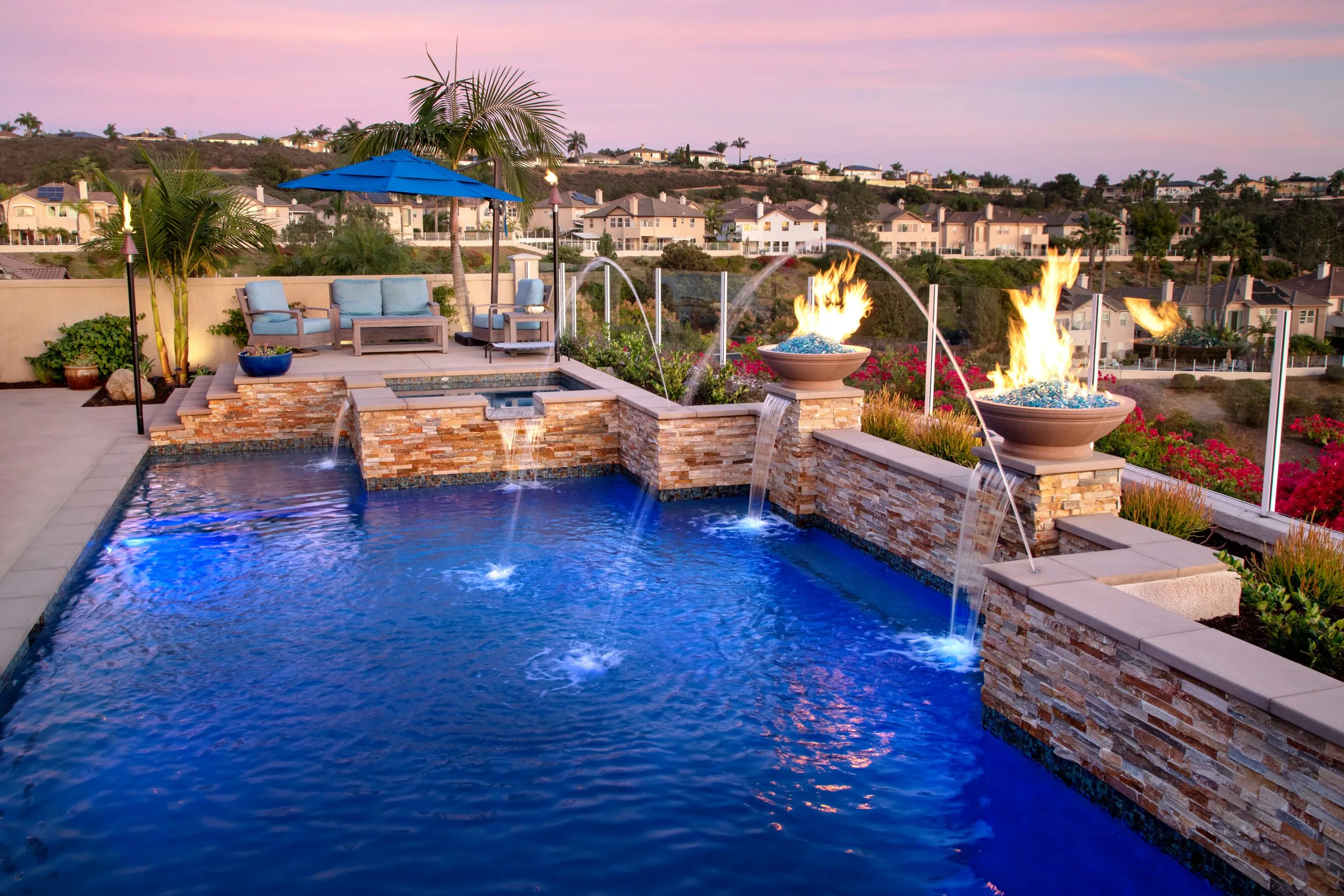


Your pool should not drive your power bill. Yet many Southern California pools still rely on single speed pumps, tired heaters, and patched plumbing that wastes energy every day.
High tech swimming pool renovations upgrade the system, not just the finish.
Pair smart pool technology with a pool automation system, efficient circulation, and modern safety layers, and you can manage heat, lights, and filtration from your phone with steady schedules that keep water consistent.
We have renovated pools here since 1960, so we spot weak links fast. Start with Mission Pools and we will map upgrades to how you live.
High tech swimming pool renovations are swimming pool renovation projects that upgrade how your pool runs, not just how it looks, pulling inspiration from modern pool designs with tech that blend performance with clean aesthetics.
In practice, that means smart pool technology, a pool automation system, energy-efficient equipment, better sanitation options, and modern safety upgrades working as one.
Cosmetic remodelling stays surface-level, focusing on tile, coping, decking, and a fresh interior finish. Those details still matter, but they work best when circulation, heating, lighting, sanitation, and controls are updated at the same time.
That systems-first approach is also why water quality improves. Peer-reviewed CDC public health guidance shows healthy water depends on consistent treatment and monitoring, which modern controls help you maintain.
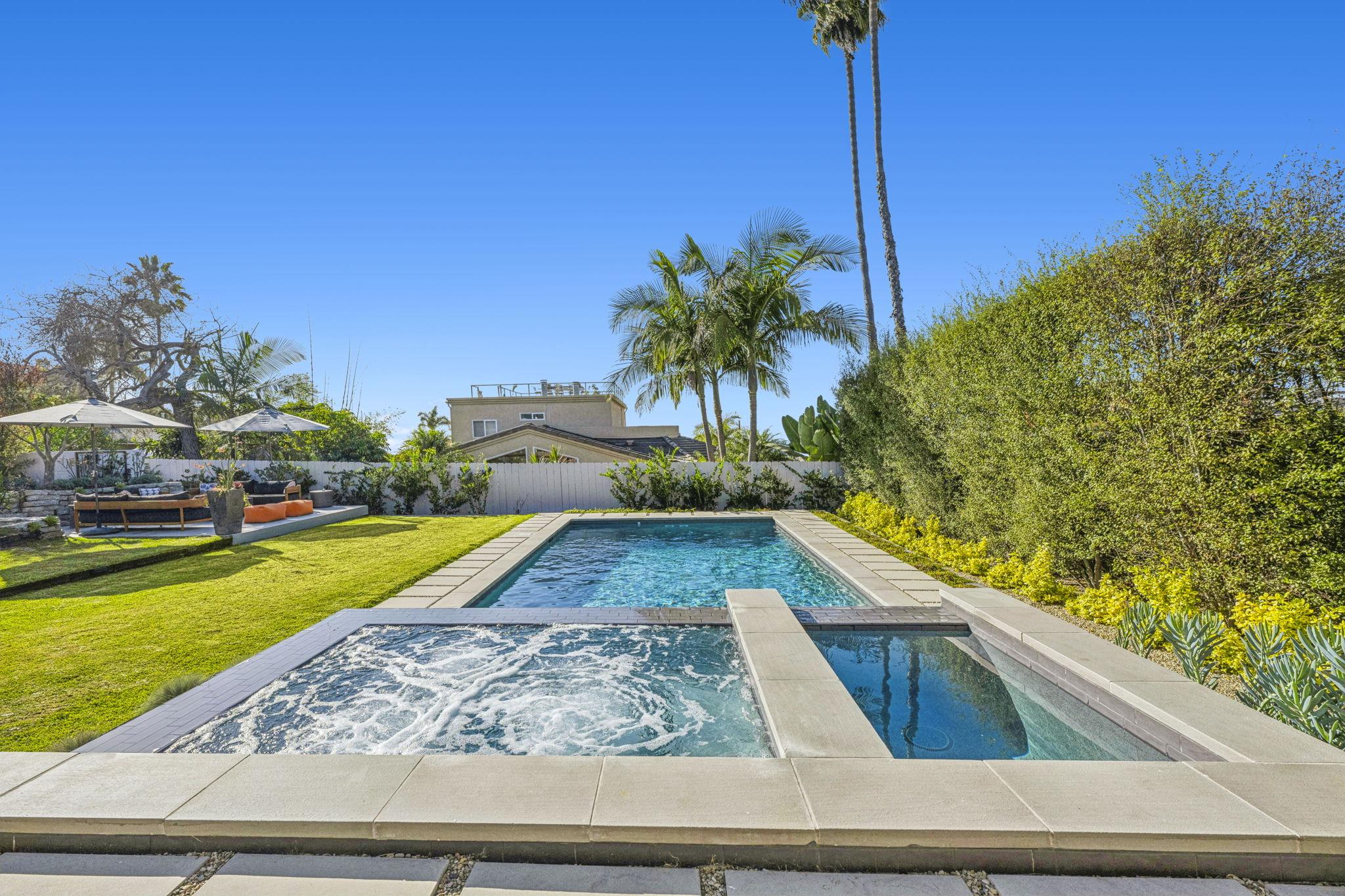
Many older pools were built around single-speed equipment, manual valves, limited lighting, and basic timers that drift over time. Owners often end up paying for higher energy use, doing more hands-on maintenance, and living with fewer comfort options.
Costs bite harder in California.
As reported by the U.S. Energy Information Administration, residential electricity rates run high, so inefficient pool equipment shows up on your bill month after month.
Smart pool technology changes the ownership experience. With clearer controls and a pool automation system, you get visibility, steadier schedules, and a pool that operates like a modern home system.
A pool automation system is the “brain” that ties your equipment together, and the goal is pool automation made practical so daily operation matches how you actually use the space.
It lets you run pumps, heaters, lights, and water features through one control platform, with schedules that match how you actually use the pool.
Mobile control is where most homeowners feel the upgrade instantly. You can adjust heating, set spa temperature, run water features, and manage lighting scenes from your phone.
Pentair reports its IntelliCenter system integrates with the Pentair Pool app to centralize control across multiple pool devices. The same concept applies to most modern pool automation system setups.
For busy households, app control keeps the pool ready without constant manual tweaks. It also helps pool remodeling services teams troubleshoot faster, since schedules and settings are easy to verify.
Voice control adds a luxury layer while making everyday use simpler. You can trigger spa mode, lighting scenes, or water features without walking to a panel or opening an app.
Hayward publishes steps for controlling OmniLogic with Alexa, showing how voice assistants can plug into a smart pool technology setup. With the right configuration, common commands become part of your normal routine.
In a luxury pool renovation, voice scenes often pair with LED zones and feature presets. The backyard mood shifts in seconds, and the controls stay consistent for everyone.
Scheduling is where automation turns into real savings and steadier water, especially when you adjust for seasons like winter run-times and protection without guessing. You can run filtration during preferred hours, heat only when needed, and coordinate cleaner cycles with pump speeds.
A well-set pool automation system also prevents “set it and forget it” drift. You can see runtimes, adjust seasonally, and avoid running high-power settings when the pool does not need them.
Efficient pumps, lighting, and heating cut wasted electricity, so your pool stays comfortable while monthly operating costs fall.
Variable speed pumps are one of the most impactful upgrades in a swimming pool renovation because they let you dial flow to the moment. Low speed handles everyday circulation quietly, while higher speed supports heating, water features, or vacuuming when you call for it.
Efficiency ties into compliance, too. The California Energy Commission replacement motor standards explain Title 20 requirements for replacement pool pump motors, and a properly selected variable speed setup supports smart pool technology by reducing unnecessary run power during long filtration cycles.
LED pool lighting upgrades improve performance while sharpening the look of the water after dark. You use less electricity, and you also cut down on bulb changes, which keeps maintenance simpler over the long run.
Efficiency is a big part of the story. The U.S. Department of Energy notes that residential LEDs use at least 75% less energy and can last up to 25 times longer than incandescent lighting, so the savings add up with every evening swim.
Lighting control is where it feels polished. Tie LED zones into a pool automation system, and your scenes switch cleanly, not randomly.
Heating strategy often separates a pool you use occasionally from one you enjoy year-round.
Heat pumps fit Southern California well because they work best when outdoor temperatures stay mild.
Comfort also depends on keeping heat in the water. Pair an efficient heater with solar support or a cover, and heat retention improves, so you run the system less while still stepping into warm water.
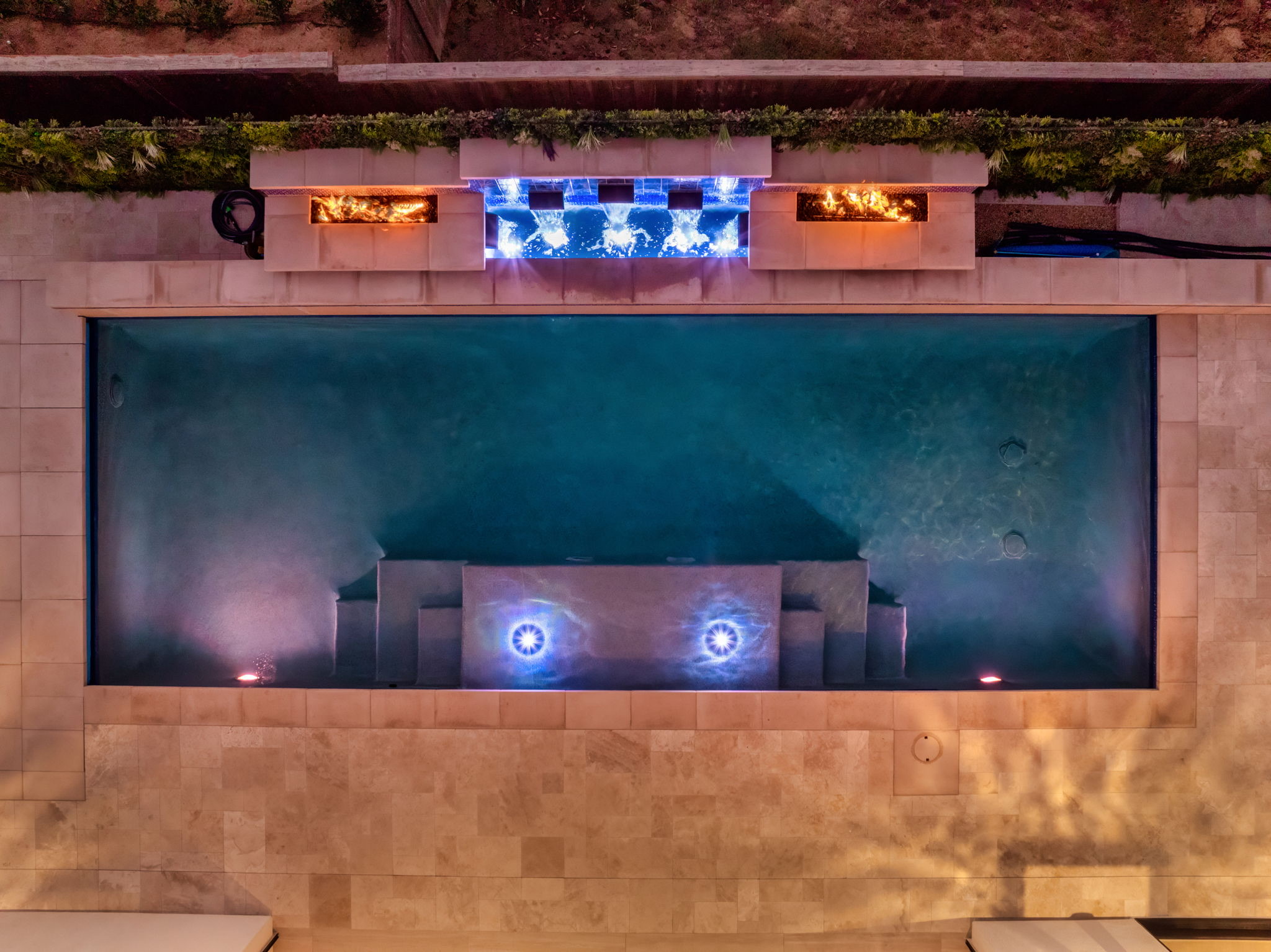
Cleaning upgrades reduce labor, reduce debris load on your filter, and improve consistency. That is a quality-of-life win that homeowners feel quickly.
Robotic cleaners run separately from your pool’s circulation, so they can scrub floors and walls while collecting debris in their own filters.
This takes pressure off your main system and keeps day-to-day cleanup consistent. In a swimming pool renovation, robots pair well with variable speed pumps, since you can keep circulation efficient while the robot handles the heavier work.
In-floor systems are built into the shell and use timed jets to push debris toward drains.
They fit best when pool remodeling services already include resurfacing and plumbing access, since the lines and heads are installed during construction. Planning matters here, because returns, drains, and hydraulics need to work together for reliable coverage.
Smart water management is about consistency. You want stable pH and sanitizer levels because that protects swimmers, reduces irritation, and limits damage to surfaces and equipment.
Automated chemical monitoring uses sensors to track pH and sanitizer trends, so drift shows up before water turns cloudy. In a smart pool technology setup, pair the readings with a controller and feeder, and dosing stays steadier through the week, which keeps upkeep predictable.
For equipment choices, NSF chemical feed system guidance explains why chemicals, feeders, and controllers must be compatible and certified. NSF warns wrong chemicals or concentrations can cause corrosion, equipment failure, underdosing, overdosing, or even dangerous reactions.
It also notes MAHC references to NSF/ANSI/CAN 50 or 60, giving you a clear benchmark.
Saltwater conversions are common in luxury pool renovation planning because they reduce direct chemical handling and can feel gentler on skin for many swimmers.
The key detail is that salt systems still generate chlorine, just produced on site.
A public health fact sheet from a local health department explains that salt pools are still sanitized using chlorine produced by a salt chlorine generator. That clarity helps you set realistic expectations during a swimming pool renovation.
UV and ozone systems are often discussed as “secondary” sanitation tools.
They can reduce combined chloramines and support water clarity when designed correctly, while still relying on a residual sanitizer in the water.
CDC’s Model Aquatic Health Code describes how ozone and UV disinfectants are used in conjunction with residual disinfectants to inactivate pathogens. Even though MAHC guidance is written for public aquatic facilities, it provides a credible framework for how secondary systems fit into the broader disinfection strategy.

Safety should be designed as layers, not a single device. That includes barriers, alarms, covers, and code-aligned details that match how your home connects to the pool.
Pool alarms can detect surface motion, pressure changes, or entry events and alert you quickly. Some setups also integrate with broader home security systems, which fits naturally into a smart pool technology plan.
A city-issued California pool safety document references pool alarms that must meet ASTM Standard F2208, which shows how safety tech ties into recognized standards.
Automatic covers reduce evaporation, reduce debris, and add a powerful safety layer when used correctly, so automatic cover safety and efficiency becomes a practical upgrade, not just a luxury add-on. They also support heating efficiency by retaining warmth.
A study by the U.S. Department of Energy notes that covering a pool when not in use is the single most effective way to reduce pool heating costs, with savings often cited in the 50%–70% range.
That is why automatic covers show up so often in high tech swimming pool renovations.
CPSC barrier guidance also treats power safety covers as a barrier layer and references ASTM performance specifications for safety covers. This matters if your swimming pool renovation includes barrier updates or new equipment layouts.
Strong tech upgrades start with solid bones: surfaces, plumbing, and electrical built to support them.
High tech swimming pool renovations improve costs, control, and comfort through smarter, connected systems.
The timeline depends on the scope. A focused equipment and pool automation system upgrade can move quickly once equipment is selected and the pad is prepped.
A full swimming pool renovation that includes resurfacing, tile, plumbing, electrical updates, and modern pool features takes longer because curing windows, inspections, and sequencing matters.
If your renovation changes barriers or access points, local requirements can shape scheduling.
California’s Swimming Pool Safety Act provides a reference point for safety features and standards often associated with permitted pool work. It is one reason we plan early around barriers, alarms, and cover decisions when a luxury pool renovation is on the table.
Cost usually follows complexity, so pricing depends on scope, automation depth, and the condition of your existing infrastructure.
A lighter package might cover a variable speed pump, heater or heat pump, LED lighting, and a basic controller.
When you step into full automation, you add relays, valve actuators, lighting zones, and tighter feature integration. Infrastructure can change the number quickly, since leaks, failing plumbing, electrical deficiencies, or shell repairs add real work.
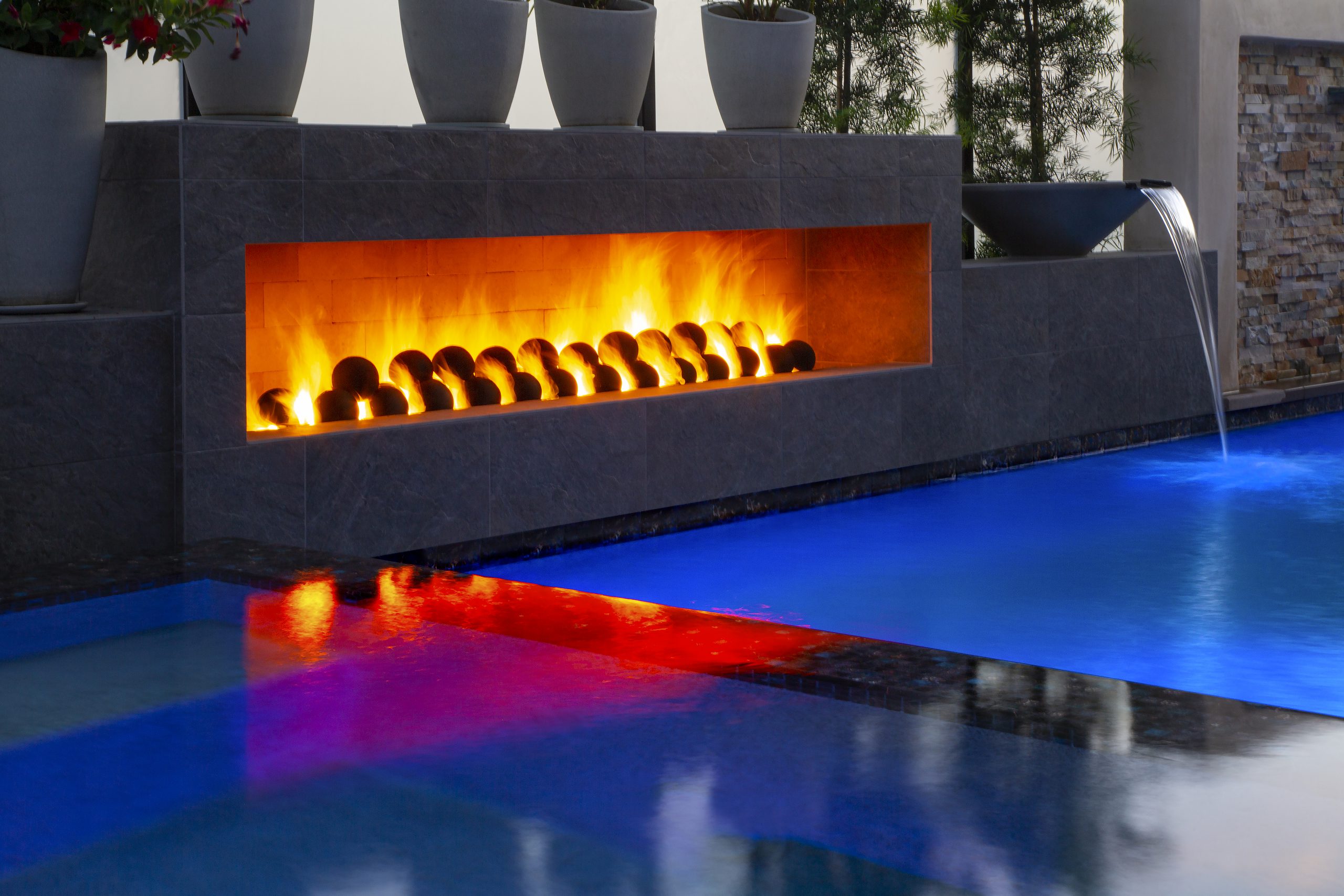
Luxury additions like fire features, spillover spas, and automatic covers also raise the total, and pool financing options to compare can help you evaluate the payment approach alongside scope.
High tech swimming pool renovations are not plug-and-play. They require coordination across hydraulics, electrical, controls, and finish work, so the entire system behaves predictably.
Mission Pools has served Southern California since 1960, with deep experience across luxury pool renovation planning and build execution. You can explore our background by checking out our story.
If you want help scoping options, start by checking out our pool remodeling services. If you are collecting ideas, our modern pool features inspiration gallery helps you visualize what smart pool technology can support.
When you are ready to talk through your pool, your goals, and realistic upgrade paths, use our schedule your pool renovation consultation and we will build a plan that fits.
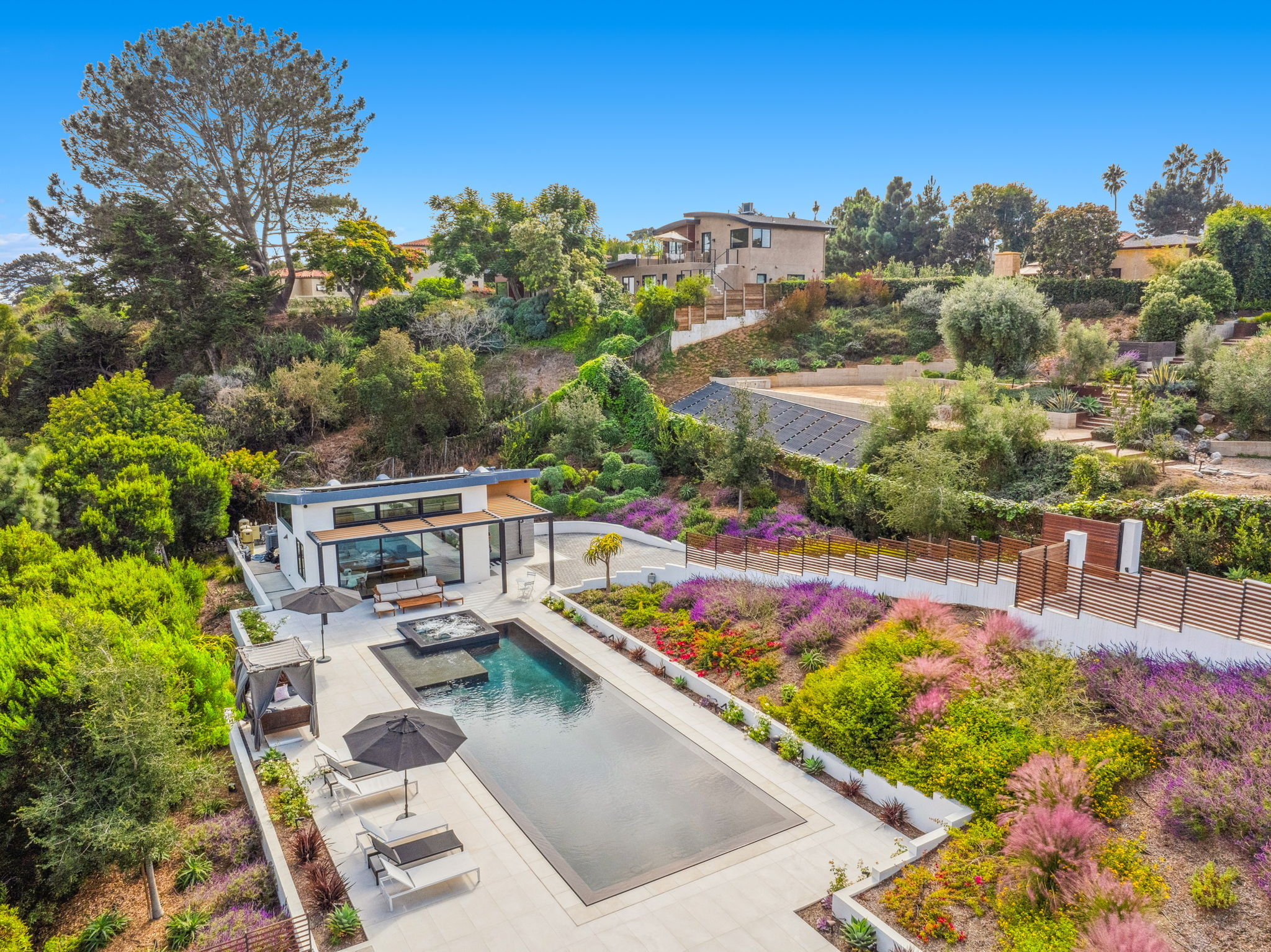
High tech swimming pool renovations make an older pool feel modern because the upgrades focus on performance, not patchwork. You gain smarter control, lower waste, stronger safety layers, and modern pool features that fit the space naturally.
If your pool is costly to run, tough to keep balanced, or locked into a dated setup, a swimming pool renovation built around smart pool technology can change your day-to-day life fast. Start with the systems driving your costs, and let the luxury pool renovation details follow once the foundation is right.
For a plan that fits Southern California conditions and your exact pool, connect with Mission Pools and book a consultation to get clear options and a realistic scope.
High tech swimming pool renovations can include a pool automation system, but the real value comes from upgrading the full system. Smart pool technology works best when it is paired with efficient pumps, reliable heating, and stronger water management. A swimming pool renovation that modernizes both systems and structure usually performs better than cosmetics alone.
A pool automation system can reduce operating costs by keeping filtration, heating, and cleaning aligned with how you actually use the pool. You avoid wasted runtime and unnecessary heating. When automation is paired with a variable speed pump and better heat retention, savings become more consistent.
No. Saltwater conversion systems still sanitize with chlorine, they just generate it from salt through a chlorine generator. Many owners prefer the steadier output and reduced chemical handling. In a swimming pool renovation, it can also simplify weekly maintenance.
UV and ozone can support water clarity and help reduce chlorine byproducts when designed correctly. They are typically used as secondary support, not a full replacement for sanitizer. In a luxury pool renovation, they often make sense for owners who want cleaner-feeling water with tighter overall control.
You know . . . you just do not wake up one day and decide you can be someone’s partner in business. Strong relationships take...

Southern California is known for a lifestyle second to none. Our area that started out as an arid desert has now become a land of...
Yesterday was an example of why my brother and I enjoy this business so much. Contracting is all about solving problems…problem/solution management.


