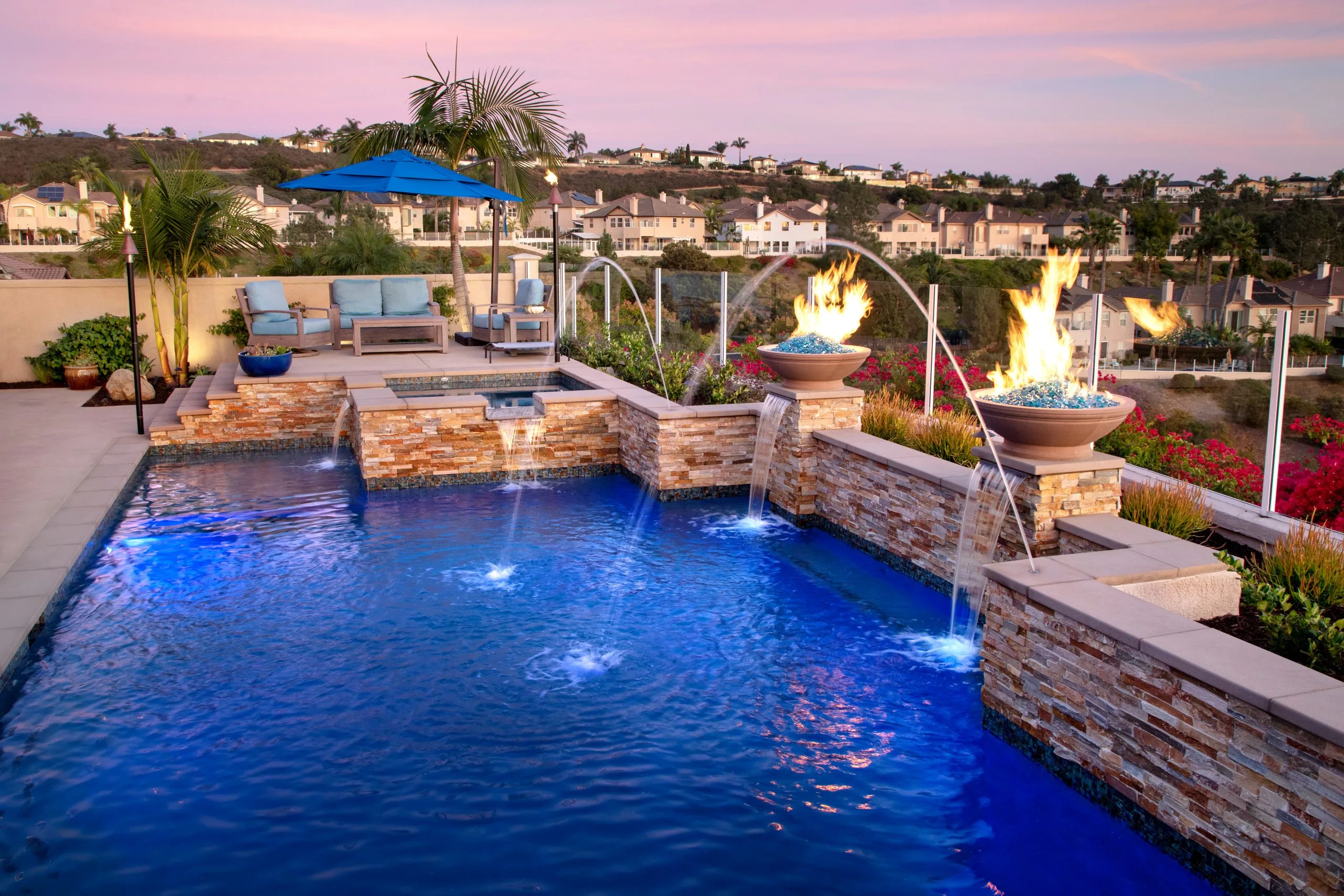

When it comes to creating a stunning and functional pool area, choosing the best quality for block pool pavers is crucial. These materials not only contribute to the aesthetic appeal of your outdoor space but also ensure durability and safety. In this guide, we will explore the top features, benefits, and considerations for selecting the right block pool pavers.
Block pavers are a popular choice for pool decks due to their numerous advantages. Here are some key reasons to consider:
When selecting the best quality for block pool pavers, consider the following aspects:
Choose high-quality materials, like concrete or natural stone, known for their strength and resistance to wear and tear. Look for pavers that offer UV protection to prevent fading.
Explore various design patterns, such as herringbone, basketweave, or linear layouts. Custom designs can add a unique touch to your pool area.
Installing block pool pavers requires expert craftsmanship to ensure a long-lasting finish. Here are some key steps in the installation process:
For a professional finish, consider hiring experts in pool resurfacing to ensure that your installation is handled with care.
To safeguard your investment, follow these maintenance tips:
For poolside applications, a paver thickness of at least 2 inches is recommended to withstand heavy foot traffic and water exposure.
Use a mild detergent and water solution, scrubbing with a soft brush. For tough stains, a pressure washer can be effective but should be used with caution.
While it’s possible, hiring a professional is advisable to ensure a proper installation that will last for years. Explore how professional services can benefit your project with our guide on the best patio materials.
Costs can vary based on material quality, size, and design complexity. On average, consider budgeting between $10 to $25 per square foot for high-quality pavers.
Selecting the best quality for block pool pavers is vital for creating a beautiful, functional, and safe pool area. By considering factors such as material composition, size, and design, and following proper installation and maintenance practices, you can enhance your outdoor living experience. If you’re starting your journey in creating an outdoor oasis, check out our resources on how to choose a sustainable pool builder or what to expect in a pool build timeline.
Explore the journey to your dream pool with Mission Pools, where we specialize in custom pool designs and quality craftsmanship. Let us help you transform your outdoor space into a paradise for relaxation and entertainment.
DISCLAIMER: The information in this article has been generated by artificial intelligence, not a pool professional. The accuracy of the information in this article has not been verified by Mission Pools prior to publication and will not be updated. Therefore, this article should not be relied upon in lieu of independent research or consultation with a California pool installation or maintenance firm.


