
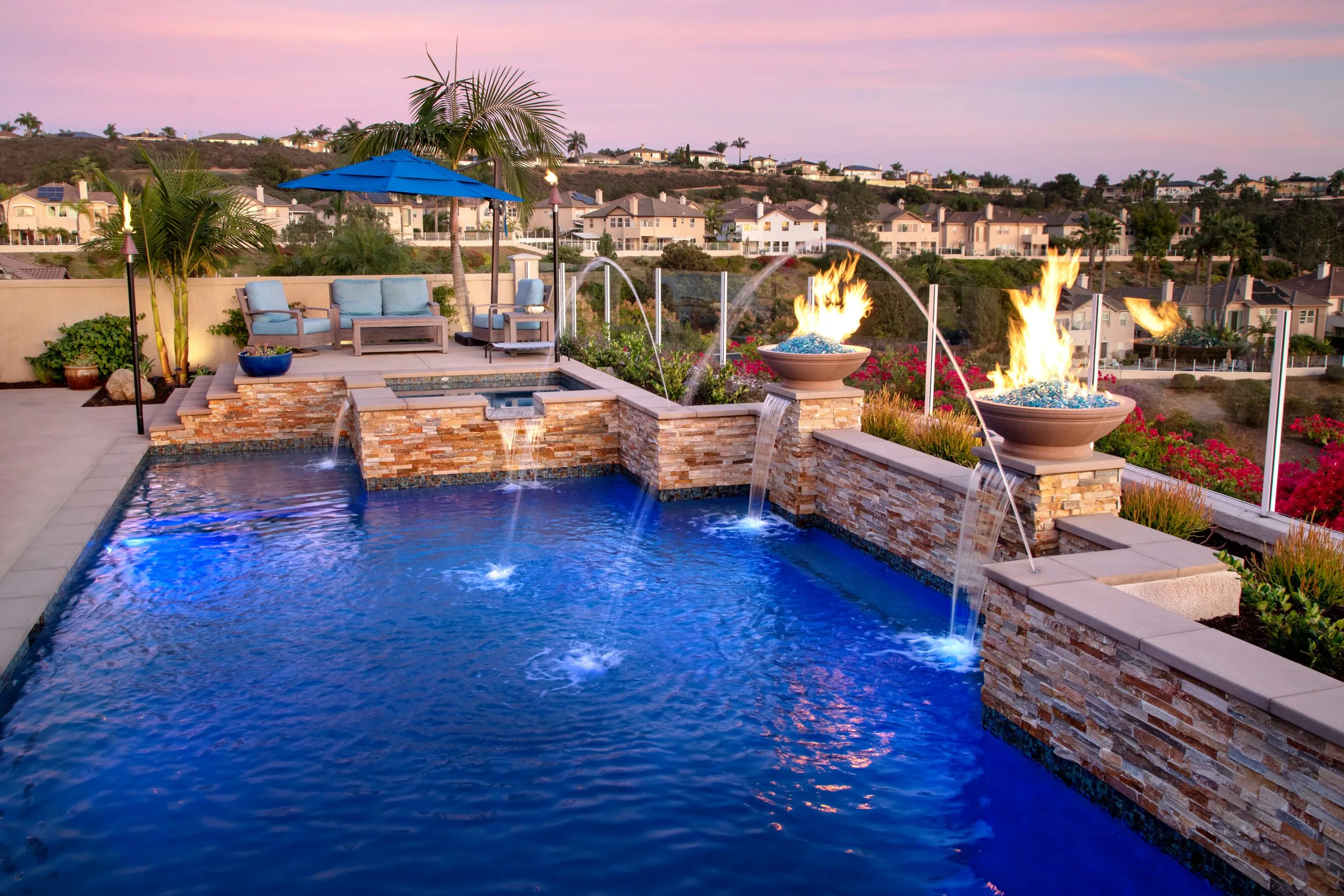

When it comes to the longevity and durability of your swimming pool, selecting the right materials is crucial. Understanding the best materials for enduring pool installations can guarantee a stunning oasis that stands the test of time. In this article, we will explore various materials used in pool construction, their benefits, and how they contribute to creating a lasting outdoor sanctuary.
The choice of materials influences not only the aesthetic appeal of your pool but also its resilience against environmental factors. The best materials will provide structural integrity, require less maintenance, and ensure safety for all users. Here’s a closer look at some of the top materials used in high-quality pool installations.
Gunite is a preferred material due to its strength and flexibility. It involves the use of a cement and sand mixture, applied via a spray process that allows for complex shapes and designs.
Fiberglass pools are pre-manufactured and come as one solid shell, which simplifies installation.
Vinyl liner pools utilize a vinyl sheet that is stretched over a structure of walls and a floor.
Beyond the walls of your pool, surrounding materials like coping and decking play a vital role in the overall quality and safety of your installation.
Coping acts as a transition between the pool edge and the deck. Options for coping include:
The right decking material enhances safety and aesthetic appeal. Common choices include:
In addition to selecting the best materials for enduring pool installations, consider integrating advanced features and equipment.
Investing in energy-efficient pumps and heaters can significantly lower operating costs. For more guidance on energy-saving systems, check out our article on the best heating options for pools.
Smart automation systems allow you to control various aspects of your pool with ease. From water temperature regulation to lighting, these systems create a seamless experience.
Adding elements such as waterfalls, fountains, or jets can enhance the visual aesthetic of your pool. Discover the best options for water features that can transform your backyard oasis.
To ensure the longevity of your pool, regular maintenance is essential, regardless of the materials chosen. Here are some key maintenance tasks:
Gunite is widely considered the best material for durability due to its strength and adaptability to various designs.
With appropriate installation and maintenance, pools can last between 20 to 30 years or more, depending on the materials used.
Highly regarded for their low maintenance and longevity, fiberglass pools offer a valuable investment for homeowners looking for durability.
Consider factors such as climate, aesthetic preference, and maintenance requirements when selecting decking materials for your pool area.
When planning for the best materials for enduring pool installations, it’s essential to balance aesthetics, durability, and maintenance. Gunite, fiberglass, and vinyl liners represent some of the top materials available, complemented by quality coping and decking options. By making informed choices and considering additional features, you can create a spectacular outdoor space that provides years of enjoyment and relaxation.
For more insights on creating the perfect pool environment and enhancing your outdoor oasis with elegant enhancements, visit our website for expert advice on tailored pool installations.
DISCLAIMER: The information in this article has been generated by artificial intelligence, not a pool professional. The accuracy of the information in this article has not been verified by Mission Pools prior to publication and will not be updated. Therefore, this article should not be relied upon in lieu of independent research or consultation with a California pool installation or maintenance firm.


