
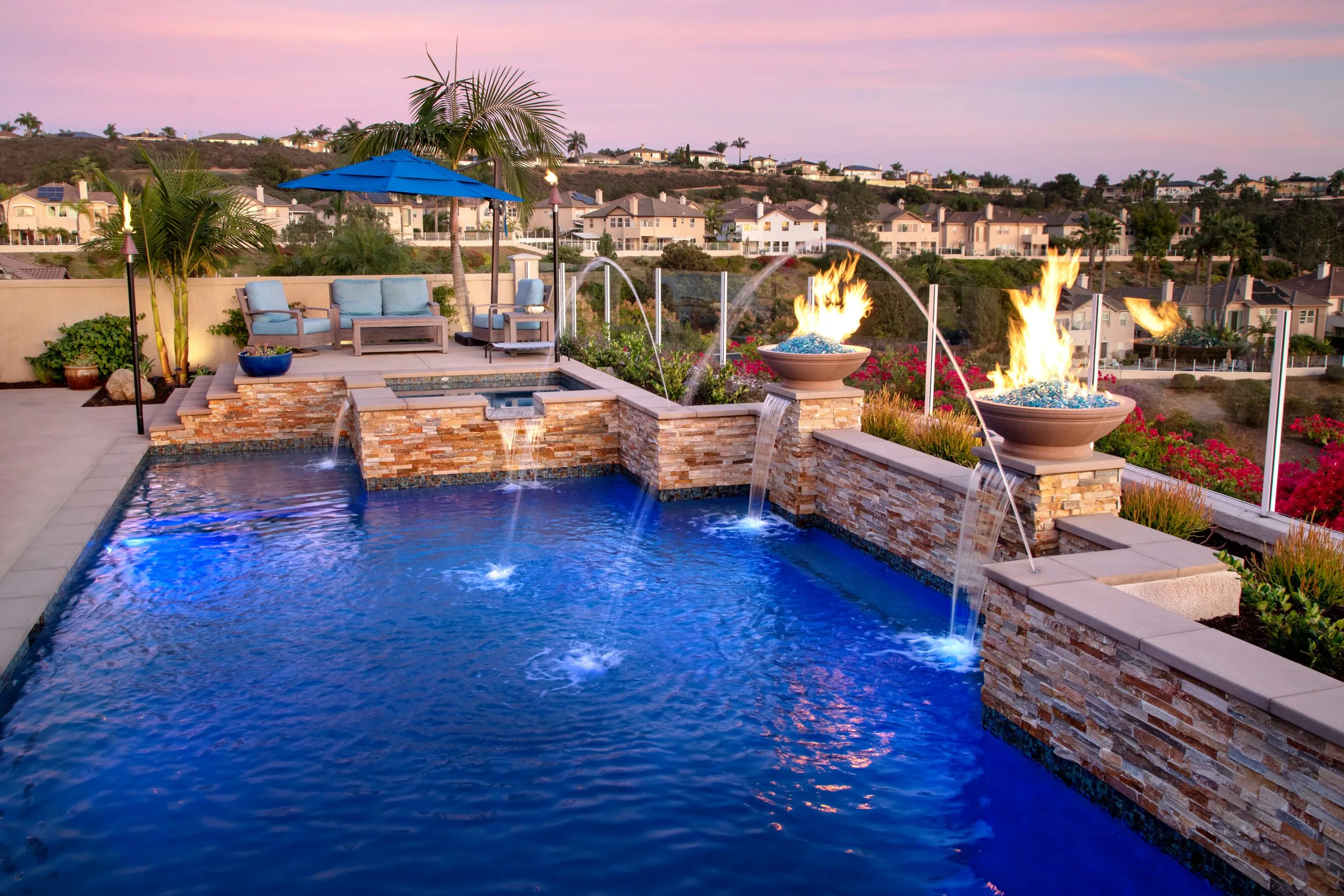

Building a pool in a hilly area presents unique challenges and opportunities that must be carefully navigated. Unlike level terrains, hilly landscapes demand additional planning, engineering, and creativity to ensure a successful installation. Understanding the considerations for pool construction in hilly areas is crucial for homeowners looking to enhance their outdoor living spaces with a stunning and functional swimming pool.
The first step in constructing a pool in a hilly area is to evaluate the soil conditions. Various soil types can significantly impact the structural integrity and longevity of your pool. For an in-depth look at how soil impacts pool installation, visit our page on understanding how soil conditions affect the pool installation process.
Correct soil assessments can prevent costly issues such as erosion, settling, and other foundation-related concerns. Additionally, a geotechnical engineer might be needed to ensure compliance with safety standards.
Hilly landscapes typically require grading and excavation work to create a level area for the pool. This can involve significant earthmoving if the slope is steep. Effective grading is essential for ensuring proper drainage and preventing water from pooling around the pool area. Proper grading techniques, along with retaining walls if necessary, will provide stability and enhance the aesthetic appeal of your outdoor space.
The type of pool you choose can greatly affect the construction process. Some popular pool designs for hilly areas include:
Choose a design that complements your landscape while addressing practical construction challenges.
Architectural integrity is vital in hilly landscape pool designs. Consider how the pool will visually interact with other outdoor features, such as patios, decks, and garden elements. A well-integrated design not only enhances aesthetics but also adds value to your property. If you’re seeking inspiration, explore our insights related to creative pool architecture for innovative ideas.
Effective drainage solutions are imperative in hilly areas to prevent water accumulation and erosion. This may involve installing drainage systems that channel water away from your pool, protecting the pool’s structure and surrounding landscaping.
Building a pool in hilly terrain often requires navigating local zoning laws and obtaining necessary permits. Consulting with professionals familiar with local regulations can simplify this process.
Erosion is a significant concern in hilly areas, especially after heavy rains. Retaining walls, proper vegetation, and a well-planned drainage system can help mitigate erosion effects and protect your investment.
Building a pool in a hilly area comes with specific costs linked to grading, soil testing, and engineering. To get a clearer picture of what these factors entail, check out our resources on understanding the cost breakdown of pool plumbing work. Key cost drivers may include:
Despite the higher initial costs, investing in a well-constructed pool in challenging terrain can add tremendous value to your property. A quality build will minimize long-term maintenance issues, enhance your outdoor living space, and increase your home’s appeal.
Integrating eco-friendly pools is also a consideration worth exploring. These environmentally conscious design elements contribute to sustainability while maximizing enjoyment. Options include energy-efficient pumps, solar heating, and innovative water filtration systems that can further enhance the overall pool experience.
To create a holistic outdoor living space, consider adding features such as fire pits or outdoor kitchens. Integrating fire pits can provide warmth and ambiance, making your pool area inviting year-round. Lighting features can add to the beauty and safety of the area, showcasing your property even during nighttime.
Pool construction on a slope involves challenges such as grading, erosion prevention, soil stability, and appropriate drainage solutions.
Consider pool designs that work well with the natural landscape, such as infinity edge, freeform, or lap pools, which can seamlessly integrate with the terrain.
Soil assessments help identify potential structural challenges, ensuring the pool’s longevity and safety.
Constructing a pool in hilly areas requires careful consideration of several critical factors. From understanding soil conditions to integrating innovative designs and managing costs, each aspect plays a vital role in the overall functionality and appeal of your pool. By collaborating with experienced professionals, you can transform your vision into a beautiful reality that stands the test of time. Embrace the unique challenges of your landscape and enjoy the rich rewards that come with a custom-designed pool tailored to your hilly property.
DISCLAIMER: The information in this article has been generated by artificial intelligence, not a pool professional. The accuracy of the information in this article has not been verified by Mission Pools prior to publication and will not be updated. Therefore, this article should not be relied upon in lieu of independent research or consultation with a California pool installation or maintenance firm.


