
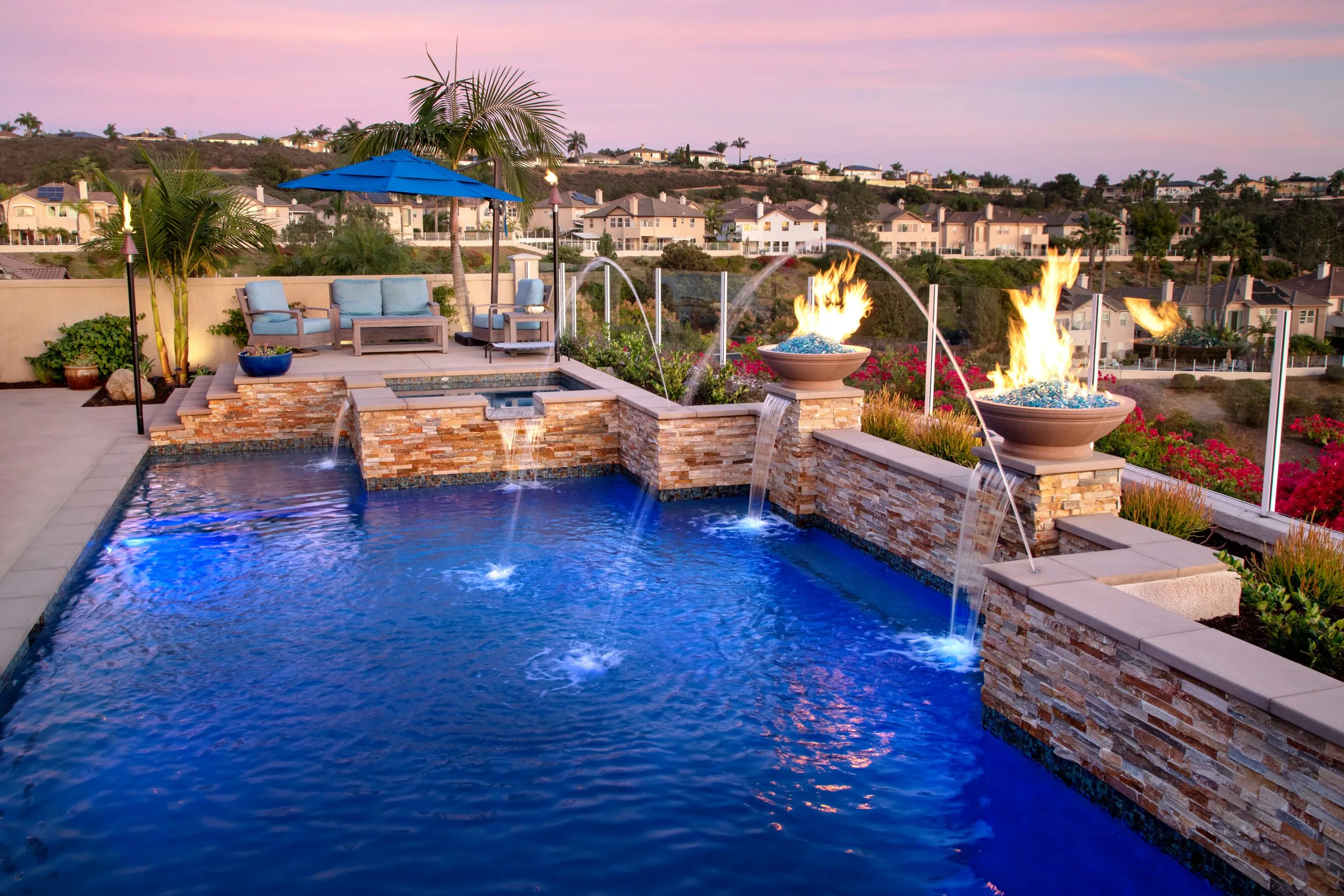

Creating an eco-friendly pool is an excellent way to enjoy your backyard oasis while minimizing your environmental impact. If you’re asking yourself, “how do I ensure my pool is eco-friendly?” you’re in the right place. This guide will outline practical steps towards making your pool more sustainable, from energy-efficient systems to environmentally friendly materials.
An eco-friendly pool utilizes designs and materials that reduce energy consumption, water waste, and chemicals used for maintenance. These pools aim to harmonize with the natural environment, offering enjoyment without compromising ecological integrity.
Investing in energy-efficient pumps and heaters is one of the best ways to make your pool eco-friendly. By choosing systems that meet Energy Star standards, you can significantly lower your energy consumption and operational costs.
Consider incorporating solar-powered systems to provide energy for heating and water filtration. These renewable energy sources harness sunlight to keep your pool warm without adding to your carbon footprint. Check out our solar-powered pool options for innovative solutions.
Opt for advanced filtration options, such as saltwater systems. Saltwater pools are easier on the environment and your skin and often require fewer chemicals. You can find out more about the practical deployment of these systems in our environmentally friendly pool systems.
Utilize eco-friendly materials during construction. This includes using recycled or sustainably sourced materials for decking, coping, and tile. Our projects often feature eco-friendly pool designs that marry aesthetics with sustainability.
Using a pool cover significantly reduces evaporation, conserving water and retaining heat. This simple addition can lower your water usage by up to 90%.
Design your landscaping to manage water runoff effectively. Native plants not only blend beautifully with your pool but also require less water and maintenance compared to non-native species. Explore options for dynamic nature-friendly pools that incorporate landscape considerations.
Regular checks of water quality can help minimize chemical use. Test strips or digital kits allow for precise readings, ensuring that you only add chemicals when necessary.
Although the DIY approach is tempting, professional cleaning services ensure your pool is maintained with eco-friendly practices. They are well-versed in sustainable methods to keep your pool clean without harsh chemicals.
The costs for eco-friendly upgrades can vary widely depending on the features you choose. Basic upgrades can range from $5,000 for energy-efficient systems to $20,000 or more for comprehensive changes, including solar heating.
Yes! Many eco-friendly upgrades can be retrofitted into existing pools, such as energy-efficient equipment and advanced filtration systems.
While eco-friendly pools can have higher upfront costs, they often pay off in the long term through reduced energy bills and lower maintenance costs.
By considering these factors and investing in sustainable practices, you will ensure your pool aligns with eco-friendly principles. Remember, every small change can lead to significant environmental benefits. For additional insights into creating sustainable luxury in your outdoor space, explore our eco-friendly pool structures that blend elegance with environmental responsibility.
DISCLAIMER: The information in this article has been generated by artificial intelligence, not a pool professional. The accuracy of the information in this article has not been verified by Mission Pools prior to publication and will not be updated. Therefore, this article should not be relied upon in lieu of independent research or consultation with a California pool installation or maintenance firm.


