
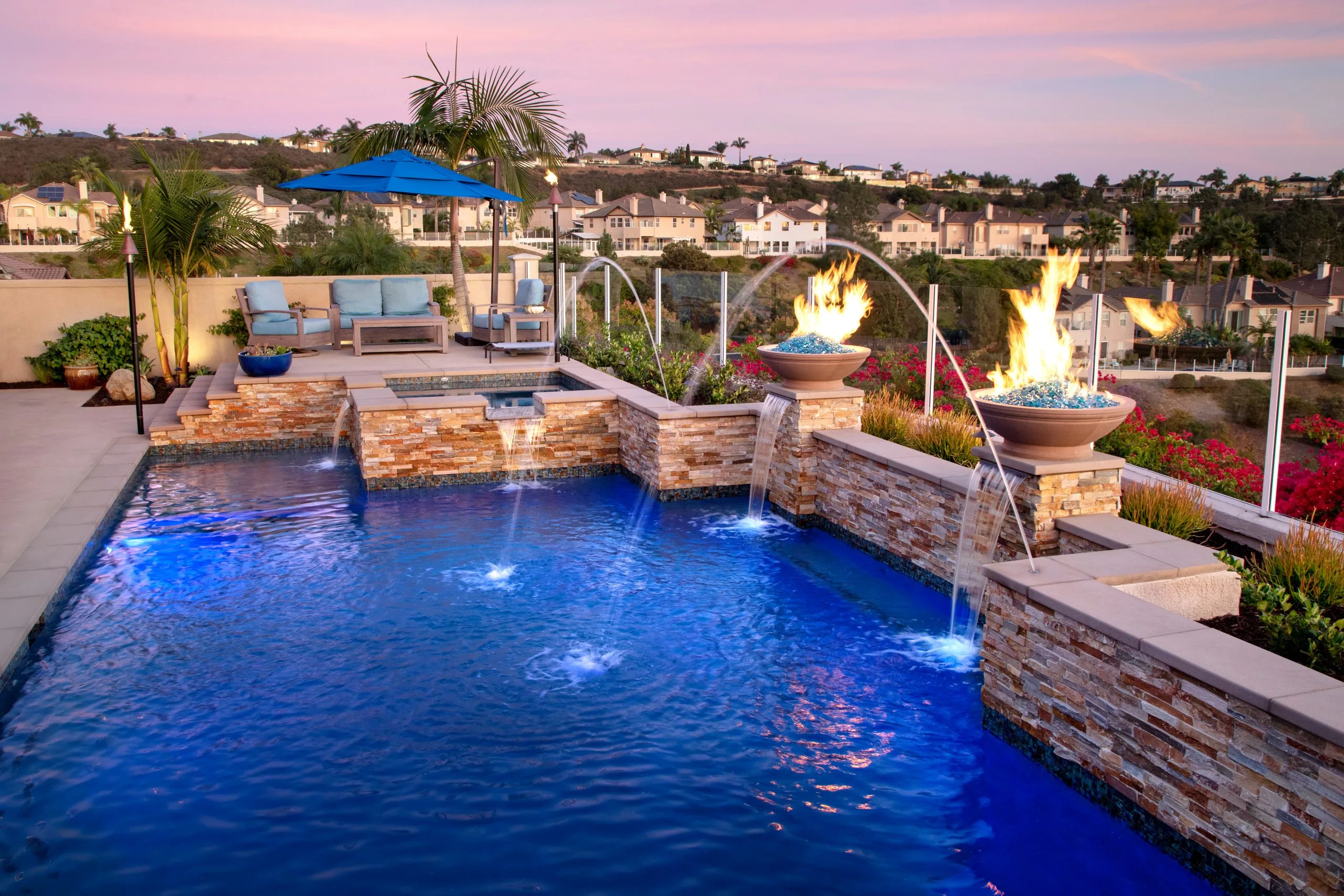

Ensuring pool safety is crucial for preventing accidents and enjoying a worry-free swimming experience. From installing safety features to educating family members about proper pool behaviors, there are many ways to maximize safety around your pool. This guide will cover essential steps to help you maintain a safe swimming environment.
Creating a safe pool environment not only protects individuals from accidents but also enhances the value of your property. Here are some key reasons why pool safety should be a priority:
One of the most effective ways to ensure pool safety is by installing physical barriers.
Properly maintained and secure pool equipment is essential for safety.
Understanding the pool depth is crucial for safety, particularly for diving and deep-water activities. Adhering to guidelines on pool depth can prevent accidents and ensure swimmers know where it is safe to dive. For comprehensive information on pool depth safety standards, visit our article on is pool depth crucial for safety standards?.
Education is a cornerstone of pool safety. Encourage swimming skills and understanding of pool rules among family and guests.
Equipping your pool area with essential safety gear can save lives in emergencies.
Invest in pool alarms that alert you if someone enters the pool area unexpectedly. These alarms can provide peace of mind, especially in homes with children or pets.
Consistent maintenance checks can significantly reduce safety risks.
The area surrounding the pool should be designed thoughtfully to minimize hazards.
What are the most important pool safety features?
Key features include fencing, safety covers, and securing pool equipment.
How often should I inspect my pool safety features?
It is recommended to conduct inspections at least twice a year, with additional checks before the swim season begins.
Are there any legal requirements for pool safety?
Yes, homeowners should familiarize themselves with local regulations regarding fencing, signage, and pool safety measures.
What are the best practices for supervising children in the pool?
Always have an adult supervising the pool, maintain constant visual contact, and avoid distractions such as phones.
Ensuring pool safety requires a multifaceted approach that includes physical barriers, education, regular maintenance, and the right safety equipment. By implementing these strategies, you create a secure swimming environment for your family and guests. For professional assistance, consider reaching out to qualified experts for custom solutions tailored to your swimming area. Check out our contractor recommendations for assistance in enhancing your pool safety measures.
Stay water-safe and enjoy your pool!
DISCLAIMER: The information in this article has been generated by artificial intelligence, not a pool professional. The accuracy of the information in this article has not been verified by Mission Pools prior to publication and will not be updated. Therefore, this article should not be relied upon in lieu of independent research or consultation with a California pool installation or maintenance firm.


