
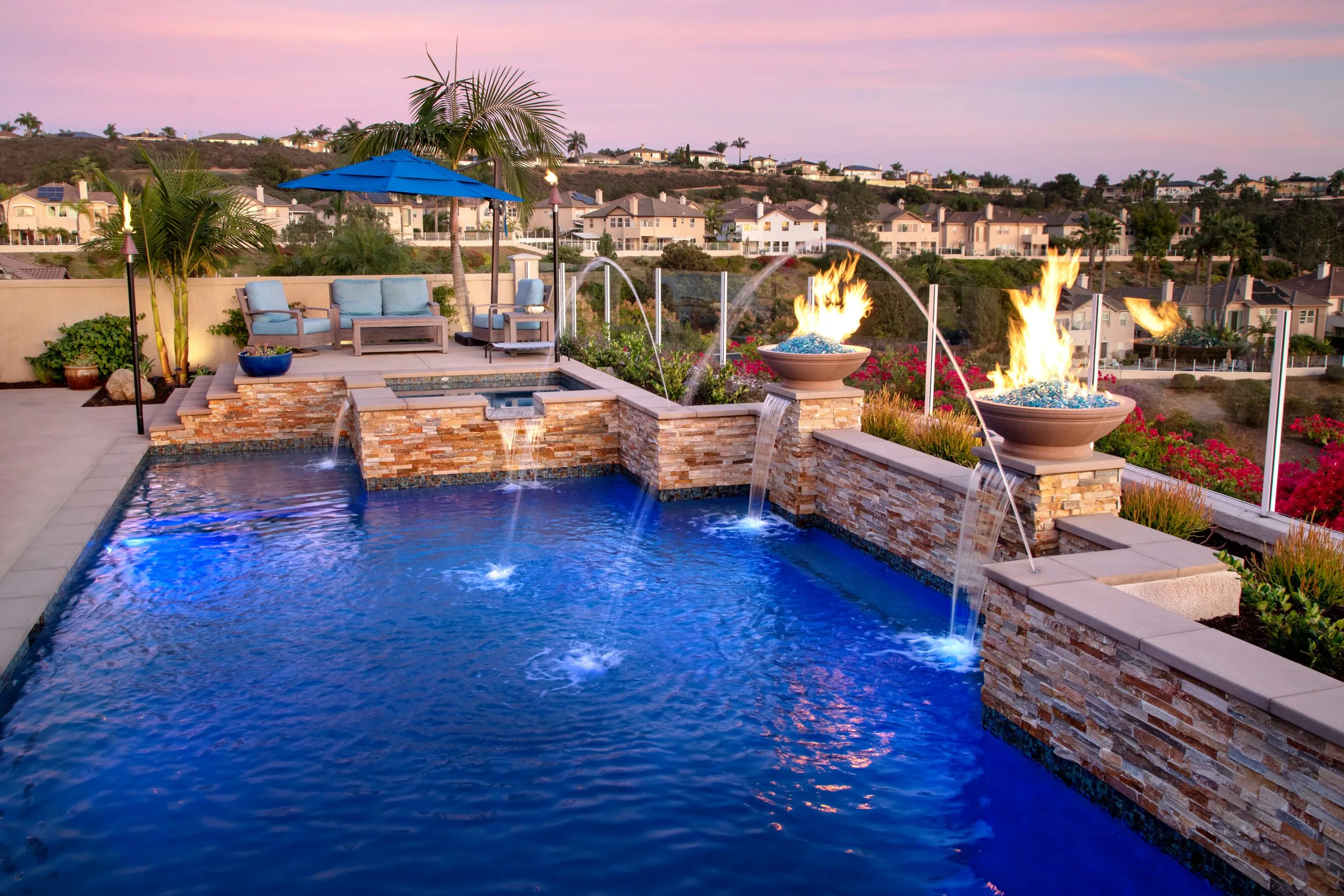

When considering how climate affects pool designs, homeowners must recognize that weather variations significantly influence the choice of materials, construction techniques, aesthetic decisions, and overall functionality of swimming pools. Understanding these elements is crucial for creating a beautiful and sustainable swimming environment.
Different climates—ranging from arid desert conditions to humid coastal environments—require distinct pool designs. Here are key considerations:
Desert Climates: In areas like San Diego, where heat and sun are prevalent, pool designs often incorporate energy-efficient mechanisms and shaded areas to provide relief from the sun. Features like saltwater systems can enhance water softness, making it pleasant for swimmers.
Coastal Climates: For homes near the ocean, the climate can lead to increased humidity and salt exposure. This necessitates robust materials and stainless-steel fixtures to withstand corrosion. Pool finishes may also need to be adjusted to prevent algae growth.
Mountainous Regions: In cooler temperatures with potential snowfall, pools often require heating systems and protective coverings during winter months to keep them functional year-round.
How does climate affect pool designs in terms of material? The answer is clear. Regions with high UV exposure, like Southern California, benefit from materials that are UV-resistant. Here’s a breakdown of options based on climate:
Concrete and Gunite: Ideal for various climates due to their durability and adaptability. In regions with freeze-thaw cycles, they offer reliable structural integrity.
Vinyl Liner Pools: Generally suited for milder climates due to their lower upfront costs but may not hold up as well in extreme temperatures.
Fiberglass Pools: These offer excellent resistance to algae and other growth, making them perfect for humid climates. They’re also quicker to install than concrete pools.
Understanding how climate affects pool designs extends into energy usage. In hotter regions, integrating energy-efficient solutions such as solar panels not only benefits the environment but also reduces operational costs. Solar panels can heat your pool effectively while minimizing reliance on traditional heating systems. Explore more about how solar panels assist in pool heating for deeper insights.
Elevating your pool design often involves integrating outdoor living spaces. For example, creating shaded lounges and outdoor kitchens can enhance usability during hot days. Upgrading your patio is a significant way to expand your outdoor space, making it versatile for year-round entertaining.
Shaded Structures: Pergolas, umbrellas, or shade sails provide relief and protection from the sun.
Surrounding Landscaping: Choosing the right plants around pools builds an aesthetic appeal while offering additional shade. Discover how to choose the ideal plants around pools to ensure compatibility with your overall design.
Climate significantly influences not just the pool’s materials and heating mechanisms but also its size and shape. In warmer climates, larger, freeform pools are often desirable, providing ample space for recreation and relaxation. Conversely, in landscapes where space is at a premium, geometric or plunge pools may be a better fit.
Incorporating water features such as waterfalls, fountains, and spas can enhance both the visual appeal and climate adaptability of your pool. These features can help cool the surrounding atmosphere, making it comfortable even in warm conditions.
How do extreme temperatures affect pool maintenance?
Extreme temperatures can impact water chemistry and pool integrity. For instance, high heat can lead to faster evaporation, requiring regular water replacement and system checks to maintain balance.
What are some benefits of a solar pool heating system?
Solar pool heating systems extend your swimming season by using renewable energy to maintain a comfortable temperature without significant increases in utility bills.
Can landscaping around the pool help with temperature control?
Absolutely! Strategically placed trees and shrubs can provide natural shade, reducing water evaporation and keeping the pool temperature enjoyable.
Understanding how climate affects pool designs is critical to creating an outdoor oasis that is both functional and beautiful. By considering your local climate’s effects on material choices, energy efficiency, and design aesthetics, you can ensure a pool that meets your family’s needs while thriving within the environment.
For those ready to transform their outdoor space, Mission Pools offers artistic pool transformations tailored to various climates. Whether you’re looking to remodel or create an entirely new pool environment, our team is equipped to assist you every step of the way. Explore our expert insights on pool landscaping advice to complement your new design seamlessly.
Embark on your journey toward a stunning pool that enhances your lifestyle while seamlessly aligning with the unique climate of your area.
DISCLAIMER: The information in this article has been generated by artificial intelligence, not a pool professional. The accuracy of the information in this article has not been verified by Mission Pools prior to publication and will not be updated. Therefore, this article should not be relied upon in lieu of independent research or consultation with a California pool installation or maintenance firm.


