
Expert Advice & Inspiration for Your Dream Pool

When considering the construction and installation of a new pool, one critical aspect that often gets overlooked is the type of soil on your property. Understanding how does soil type affect pool stability is essential for ensuring the long-term durability and safety of your pool. This article will explore the different soil types, their characteristics, and their impacts on pool stability.

The Importance of Soil Stability in Pool Construction

Soil stability is a crucial factor in pool construction because it supports the entire weight of the pool structure. Factors such as soil composition, drainage capabilities, and compaction directly influence the performance of the pool over time. Here’s a closer look at the types of soil and how each affects your pool.

Common Soil Types and Their Effects on Pool Stability

  1. Clay Soil

    • Characteristics: Clay soil retains water and becomes compact when saturated.
    • Impact on Pools: Due to its expansive properties, clay can shift and settle, leading to cracks in the pool structure over time. Adequate drainage solutions can help mitigate these issues.
  2. Sandy Soil

    • Characteristics: Sandy soil allows for excellent drainage and does not retain water well.
    • Impact on Pools: While it provides good support initially, sandy soil can lead to erosion. It’s crucial to ensure proper stabilization methods are in place to prevent settling.
  3. Loamy Soil

    • Characteristics: A combination of sand, silt, and clay, loamy soil has balanced properties.
    • Impact on Pools: Loamy soil typically offers good drainage without retaining too much water, making it ideal for pool stability. However, regular checks for saturation during heavy rains are recommended to maintain its integrity.
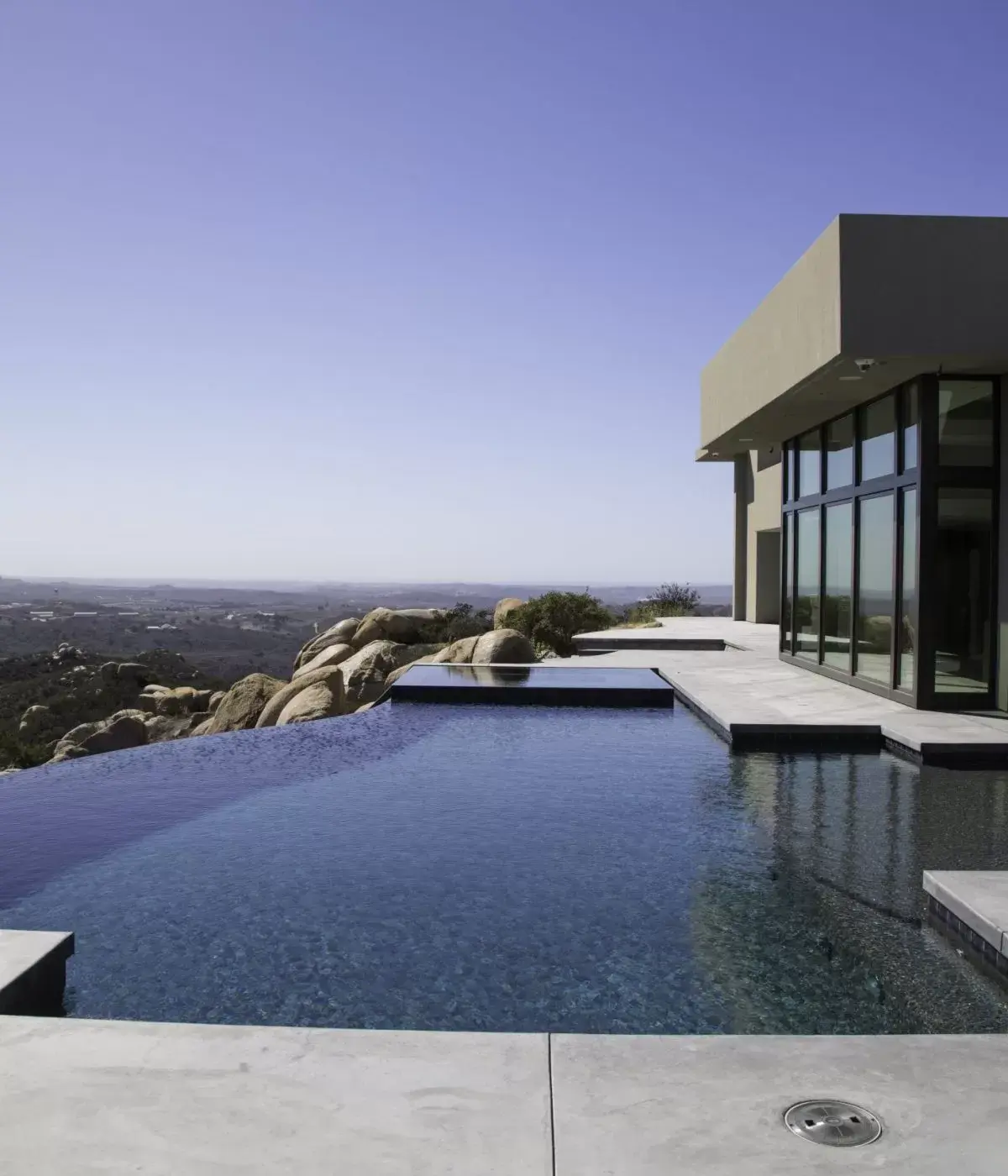
  4. Rocky Soil

    • Characteristics: Contains a mixture of solid rock and soil.
    • Impact on Pools: Rocky soil can provide excellent initial stability but may present challenges during excavation. Engineers need to ensure that rock removal methods do not compromise the pool’s structural integrity.

Evaluating Soil Conditions Before Pool Installation

To fully grasp how does soil type affect pool stability, a thorough soil evaluation is necessary before construction begins. The following steps are typically involved:

  1. Soil Testing

    • Consider hiring a professional to perform soil tests that determine the soil type and its load-bearing capacity.
  2. Drainage Assessment

    • Assess your property’s drainage to understand how water flows and collects around the pool area. You might want to explore tailored pool drainage solutions to effectively manage excess water.
  3. Compaction Requirements

    • Different soils require varying levels of compaction to provide stable support. Proper compaction reduces the risk of shifting and settling.

Benefits of Professional Pool Construction

  • Enhanced Safety: With a professional evaluation, you ensure that the pool meets safety standards, minimizing risks associated with poor soil conditions.
  • Long-Term Durability: Quality craftsmanship and comprehensive project management help to ensure that your pool remains stable and secure for years to come.
  • Integrated Drainage Solutions: Effective drainage plans tailored to your soil type can prevent future issues and maintain the aesthetic of your outdoor environment.

For a detailed look at how soil conditions influence pool designs in San Diego, explore our in-depth guide.

FAQs About Soil and Pool Stability

What types of soil are best for pool installation?
Loamy soil is considered the ideal type due to its balanced drainage and stability. Sandy soils can also work well, provided that proper stabilization practices are implemented.

How can I improve unstable soil for my pool?
Some options include adding gravel for improved drainage, using retaining walls, or hiring professionals to compact the soil adequately.

What happens if my pool is built on clay soil?
Pools built on clay soil risk shifting and cracking. It’s essential to incorporate effective drainage solutions to handle water retention and minimize movement.

Conclusion

Understanding how does soil type affect pool stability is not just about selecting a suitable location; it involves comprehensive planning, testing, and design considerations. By working with experienced professionals, you can ensure that your pool is built on a stable foundation, benefiting from enhanced durability and safety for years to come.

For guidance on pool material options that enhance durability, check out our resource on choosing pool materials for durability. Additionally, if you’re considering the costs associated with pool plumbing installation, our informative page on installation costs provides valuable insights.

Make the most of your investment by prioritizing pool stability from the very beginning.

DISCLAIMER: The information in this article has been generated by artificial intelligence, not a pool professional. The accuracy of the information in this article has not been verified by Mission Pools prior to publication and will not be updated. Therefore, this article should not be relied upon in lieu of independent research or consultation with a California pool installation or maintenance firm.

Share this post