
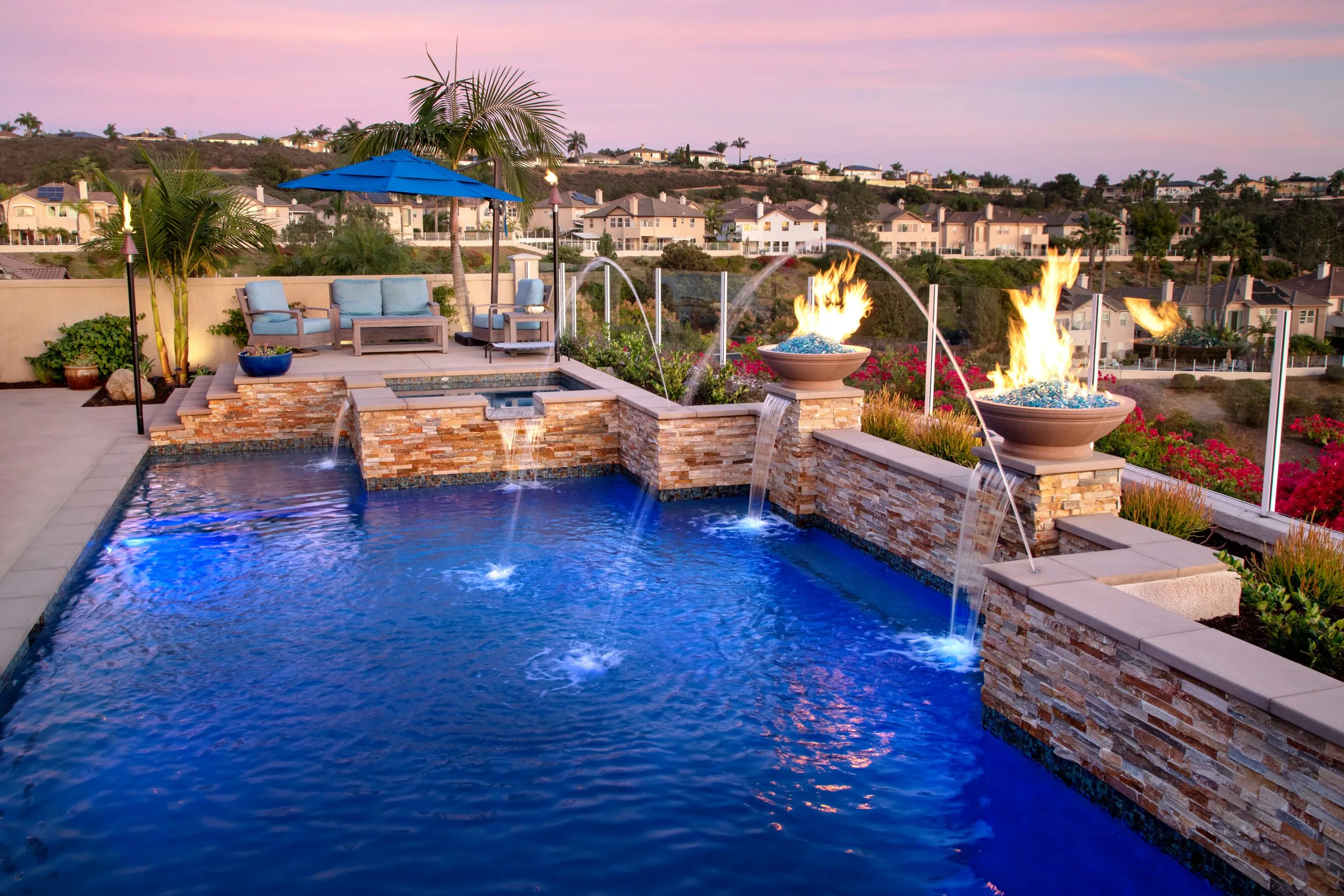

Maintaining a beautiful, functional swimming pool is essential for homeowners in San Diego. One critical aspect of pool maintenance is resurfacing. However, many homeowners wonder, how frequently should a pool be resurfaced? Understanding the factors that influence resurfacing frequency can help ensure your pool remains an inviting oasis for years to come.
Pool resurfacing involves replacing or repairing the outer layer of your pool’s surface. Over time, exposure to chemicals, water, and environmental elements can cause wear and deterioration. Resurfacing not only enhances the aesthetic appeal of your pool but also ensures its structural integrity.
The primary reasons to resurface your pool include:
The frequency of resurfacing can vary based on several factors. Here are some general guidelines:
Pool Usage
Chemical Balance
Environmental Factors
Surface Material
To assess whether your pool needs resurfacing, watch for these telltale signs:
Timely resurfacing ensures a safe swimming environment. A smooth surface reduces the risk of slips and provides a comfortable swimming experience.
A well-maintained pool can enhance your home’s market value. A beautifully resurfaced pool is an attractive feature for potential buyers, adding to the appeal of your outdoor living space.
Incorporating energy-efficient systems during resurfacing can lower maintenance costs. For instance, upgrading to new filtration or heating systems can reduce energy consumption.
If you’re looking to resurface your pool in San Diego, consider our custom swimming pools services that maintain both design excellence and quality craftsmanship. At Mission Pools, we offer:
For comprehensive information on pool care, explore what to do when a pool fails inspection.
Common resurfacing options include plastering, pebble finishes, and tile. Each has its unique benefits and lifespans.
The cost for resurfacing a pool in San Diego can range between $8,000 and $30,000, depending on the materials used and the size of the pool.
Yes, resurfacing often provides the perfect opportunity to upgrade to modern, energy-efficient equipment. Learn more about the cost breakdown of pool plumbing work.
San Diego’s warm climate can accelerate surface wear. Choosing the right materials that can withstand local weather is crucial for longevity.
Understanding how frequently a pool should be resurfaced is crucial for maintaining safety, aesthetics, and property value. Monitoring your pool for signs of wear and keeping an eye on environmental factors can help you determine the best time for resurfacing. At Mission Pools, we specialize in custom pool renovations and can guide you through the resurfacing process, ensuring you have a beautiful, functional swimming pool for years to come. If you’re interested in eco-friendly pools in San Diego, don’t hesitate to reach out!
Transform your outdoor living space today with Mission Pools!
DISCLAIMER: The information in this article has been generated by artificial intelligence, not a pool professional. The accuracy of the information in this article has not been verified by Mission Pools prior to publication and will not be updated. Therefore, this article should not be relied upon in lieu of independent research or consultation with a California pool installation or maintenance firm.


