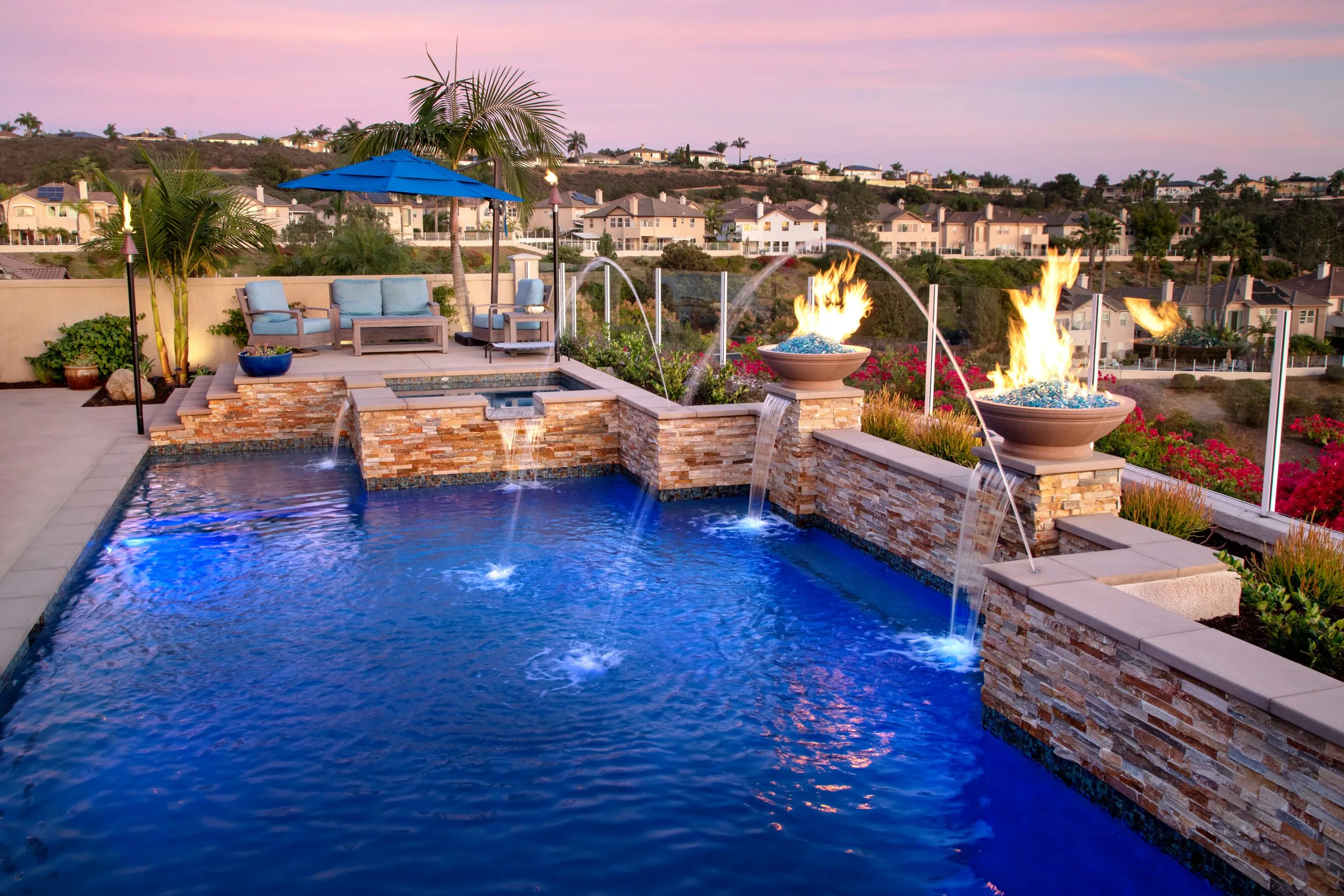
Building a swimming pool on a slope presents unique challenges that require careful planning, technical expertise, and the right design choices. Understanding how to navigate these complexities is vital for homeowners looking to install a beautiful and functional pool in their sloped backyard. In this guide, we explore the essentials of constructing pools on inclines, covering the necessary steps, considerations, and benefits of this specialized approach.
Understanding the Basics of Pool Construction on Slopes
What to Consider Before Building
Building a pool on a slope involves several critical factors to ensure safety, aesthetics, and longevity. Here are some key considerations:
- Site Assessment: Conduct a thorough analysis of the slope, including its degree, soil type, and drainage characteristics. Engaging professionals who specialize in pool installation can provide insights into the structural requirements.
- Building Codes and Regulations: Check local building codes and regulations for guidance on constructing pools on sloped terrains to ensure compliance and avoid potential legal issues.
- Design Options: Different design styles, such as infinity pools or lap pools, may be more suitable for sloped areas, providing both functionality and stunning visual effects.
The Construction Process: Step by Step
Understanding how a pool is built on slopes involves multiple stages. Here’s a breakdown of the construction process:
-
Initial Planning and Design:
- Collaborate with professional pool builders to develop a 3D design that considers the slope. This visual representation helps in making informed decisions about layout and features.
- Choose the pool type (e.g., geometric, freeform, or infinity edge) based on the slope’s characteristics and your aesthetic preferences.
-
Excavation:
- Proper excavation is critical. The construction team will dig out the desired pool shape and depth, taking care to account for the slope’s incline.
- Retaining walls may need to be constructed to stabilize the earth around the pool, preventing soil erosion and ensuring the safety of the structure.
-
Foundation and Structural Support:
- A solid foundation is essential for pools on sloped terrains. The installation of reinforced concrete or engineered materials is common to provide the necessary support.
- This phase may also involve the installation of drainage systems to manage water runoff effectively, preserving the integrity of both the pool and the surrounding landscape.
-
Plumbing and Electrical Work:
- Since pools on slopes may require more complex plumbing and electrical installations, experienced technicians will ensure that all systems are properly laid out and compliant with local codes.
-
Finishing Touches:
- After structural elements are in place, the final finishes—such as plastering, tiling, and coping—are added to enhance the pool’s appearance.
- Landscaping plays a pivotal role in integrating the pool with the surrounding area, which may include innovative pool landscaping solutions to beautify the space.
Benefits of Building on Slopes
Constructing a pool on a slope isn’t just about overcoming challenges; it offers numerous advantages:
- Aesthetics: A pool on an incline can create visually stunning effects, especially with infinity edge designs that blend seamlessly with the landscape.
- Spectacular Views: Elevated pools often provide breathtaking views of the surrounding area, making your outdoor space a luxurious oasis.
- Increased Property Value: A well-designed pool can enhance your property’s appeal and value, serving as an attractive focal point in your backyard.
Frequently Asked Questions About Pool Construction on Slopes
What challenges might I face when building a pool on a slope?
Building a pool on a slope may introduce challenges such as soil stability, drainage issues, and the complexity of installation. Collaborating with licensed professionals will help mitigate these concerns.
How much does it typically cost to build a pool on a slope?
The cost will vary based on factors like the type of pool, slope steepness, and materials used, but custom pool designs can range widely. For a comprehensive breakdown, refer to our pool installation guide for more specific information.
Are there specific design styles better suited for sloped areas?
Yes, design styles like infinity edge pools, plunge pools, and geometric shapes tend to work well on sloped terrains due to their adaptable structure, often enhancing the overall visual appeal of the landscape.
Conclusion: Transform Your Backyard with a Sloped Pool
Constructing a pool on a slope allows homeowners to embrace unique designs and capitalize on beautiful views, transforming an ordinary backyard into a remarkable retreat. By understanding the complexities and benefits involved in this type of construction, you are ready to embark on your journey to create a serene outdoor oasis.
If you’re interested in enhancing your outdoor space further, consider exploring options for innovative pool landscaping or discovering various pool themes to complement your new pool. At Mission Pools, we specialize in tailored designs that not only meet your needs but also aim to transform your backyard oasis.
Start planning your dream pool today, and experience the joy of a beautifully constructed swimming pool on a slope—transforming your outdoor space one detail at a time!
DISCLAIMER: The information in this article has been generated by artificial intelligence, not a pool professional. The accuracy of the information in this article has not been verified by Mission Pools prior to publication and will not be updated. Therefore, this article should not be relied upon in lieu of independent research or consultation with a California pool installation or maintenance firm.