
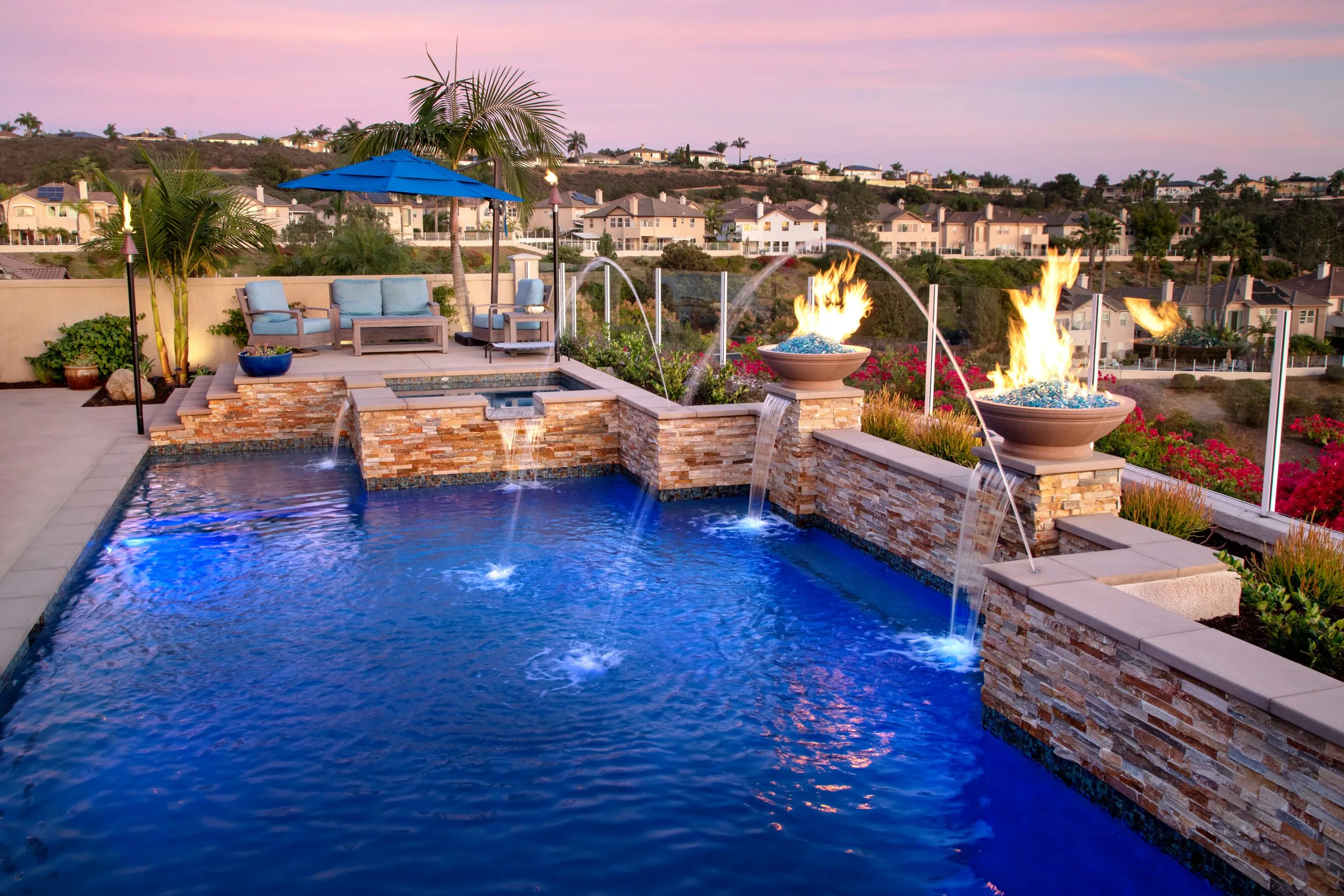

Designing an energy-efficient pool not only helps reduce your energy bills but also minimizes your carbon footprint. By implementing smart design principles and selecting the right materials and technology, you can create a serene oasis that is good for both you and the environment. In this guide, we will walk you through the essential steps on how to design an energy-efficient pool.
An energy-efficient pool is designed to consume less energy than traditional pools while still providing all the enjoyment and functionality you desire. This involves using energy-efficient equipment, sustainable materials, and optimizing designs for efficiency.
Choosing sustainable materials is paramount. Consider options like recycled tiles or eco-friendly finishes which can withstand time and elements while being kind to the earth. For more sustainable choices, explore our guide on choosing a sustainable pool system.
The shape and orientation of your pool can significantly influence its energy efficiency.
Utilizing an automatic pool cover aids in retaining heat and minimizing evaporation. This not only saves water but also reduces the energy needed to keep the pool warm.
Strategic landscaping can enhance energy efficiency by providing natural shade. Use trees and shrubs around the pool area to create a comfortable environment while also reducing heat gain. Learn about landscaping around pools for optimal results.
Using LED lighting and smart outdoor lighting solutions can further enhance your energy-efficient pool design. Consider integrating an advanced lighting system that can be controlled remotely, allowing for customizable ambiance with minimal energy consumption.
Adding structures such as pergolas or shade sails not only enhances the aesthetic appeal but also helps keep your pool cooler during intense heat. By reducing the pool’s exposure to direct sunlight, these elements can substantially decrease heating costs and improve overall comfort. Explore our tips on how to increase shade around the pool.
The main components include energy-efficient pumps, LED lighting, solar heating systems, automatic pool covers, and eco-friendly materials.
Strategically placed plants can provide shade, reduce heat gain, and enhance the overall ambiance, making the pool area cooler and more comfortable.
While the upfront cost may be higher, the long-term savings on energy bills and increased property value often justify the initial investment.
Yes, many energy-efficient upgrades can be added to existing pools, such as new pumps, heaters, and automatic covers, which can minimize your energy expenses.
Designing an energy-efficient pool is an investment in your home, your health, and the planet. By incorporating eco-conscious materials, advanced technology, and smart landscaping solutions, you can create a beautiful and sustainable aquatic environment. If you’re ready to start your journey towards building an energy-efficient pool, contact Mission Pools today for tailored design solutions that will elevate your outdoor living experience.
DISCLAIMER: The information in this article has been generated by artificial intelligence, not a pool professional. The accuracy of the information in this article has not been verified by Mission Pools prior to publication and will not be updated. Therefore, this article should not be relied upon in lieu of independent research or consultation with a California pool installation or maintenance firm.


