
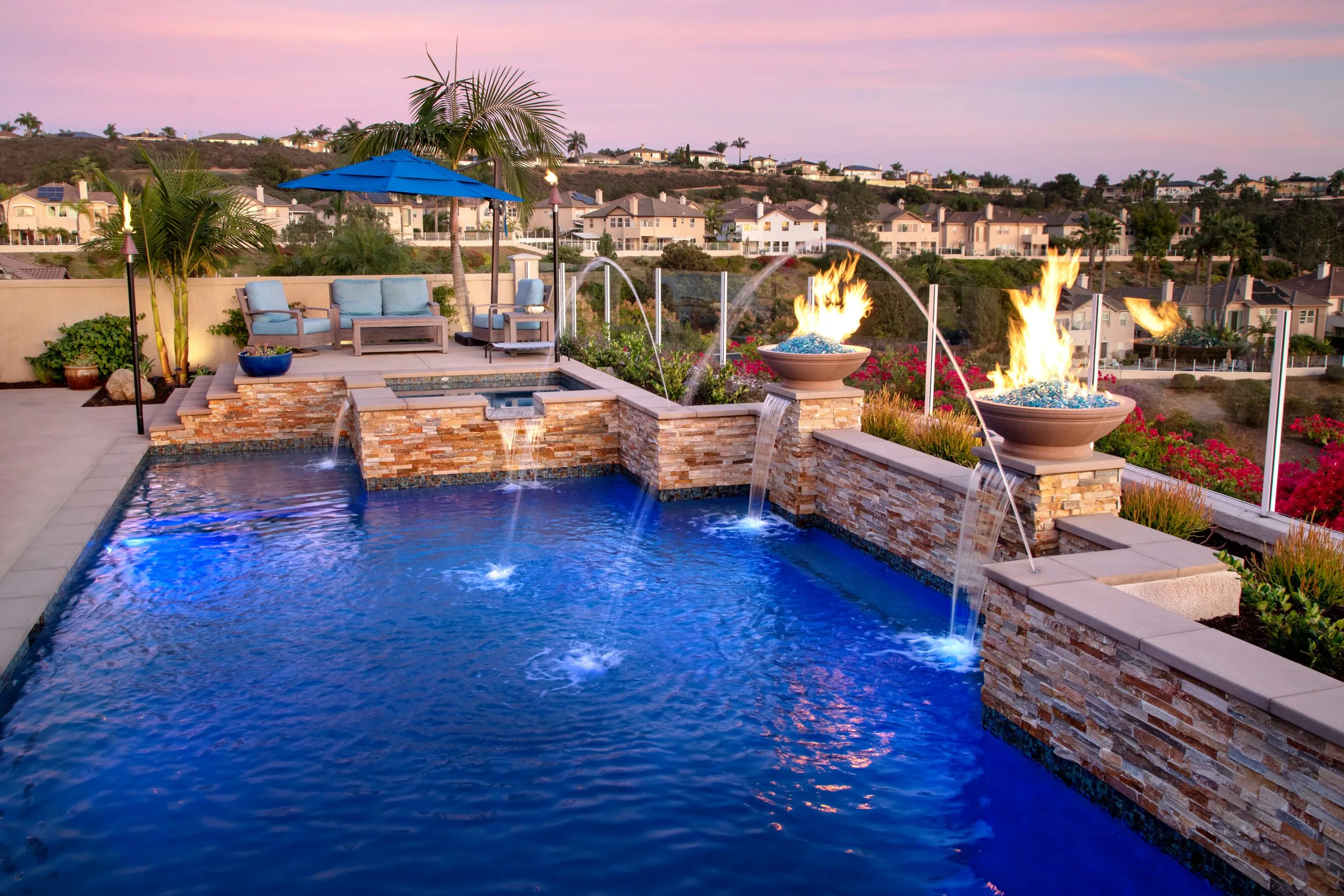

In today’s environmentally conscious world, many homeowners are looking for ways to reduce their carbon footprint. If you’re a pool owner wondering how to make your pool eco-friendly, you’ve come to the right place. By integrating sustainable practices and technologies, you can enjoy your swimming oasis while minimizing environmental impact.
An eco-friendly pool is designed with features and technologies that reduce energy consumption, conserve water, and decrease the use of harmful chemicals. This not only benefits the environment but also enhances your pool experience.
Investing in energy-efficient equipment is a significant first step. This includes:
Explore more about how solar panels can assist in pool heating to enhance your pool’s eco-friendliness.
Saltwater pools use a chlorine generator that produces chlorine from salt. This results in lower chemical usage, softer water, and less irritation for swimmers. A saltwater system decreases the maintenance burden while being more environmentally friendly.
Water is a precious resource. To conserve it:
Integrating technology into your pool allows for better management:
Discover more about the advantages of modern smart pools to elevate your pool experience and sustainability.
The area surrounding your pool can play a significant role in its eco-friendliness:
Initial investment costs can vary depending on the upgrades you choose, such as energy-efficient systems or saltwater treatment. However, the long-term savings in energy and chemical costs can often outweigh these expenses. For specific options, consider exploring our tailored treatments designed for your pool.
Yes, eco-friendly pools can be designed for any climate. For instance, solar heating may work better in sunnier regions, while innovative equipment solutions can enhance efficiency in colder areas. A local pool professional can help you integrate the best eco-friendly features for your specific environment.
When building or remodeling your pool, consider sustainable materials. Pool decks made from recycled materials or sustainable wood can be excellent choices.
Reducing chemistry in your pool can be achieved by using natural alternatives for cleaning and maintenance:
Learning how to make your pool eco-friendly is not only beneficial for the environment but also enhances your swimming experience and lowers operational costs. By investing in energy-efficient equipment, utilizing smart technology, and optimizing your pool and landscape, you can create a sustainable and beautiful outdoor space.
To delve deeper into specific plant recommendations, energy-saving technologies, and tailored treatments, visit Mission Pools for personalized consultations and expert guidance in creating your eco-friendly pool oasis.
DISCLAIMER: The information in this article has been generated by artificial intelligence, not a pool professional. The accuracy of the information in this article has not been verified by Mission Pools prior to publication and will not be updated. Therefore, this article should not be relied upon in lieu of independent research or consultation with a California pool installation or maintenance firm.


