
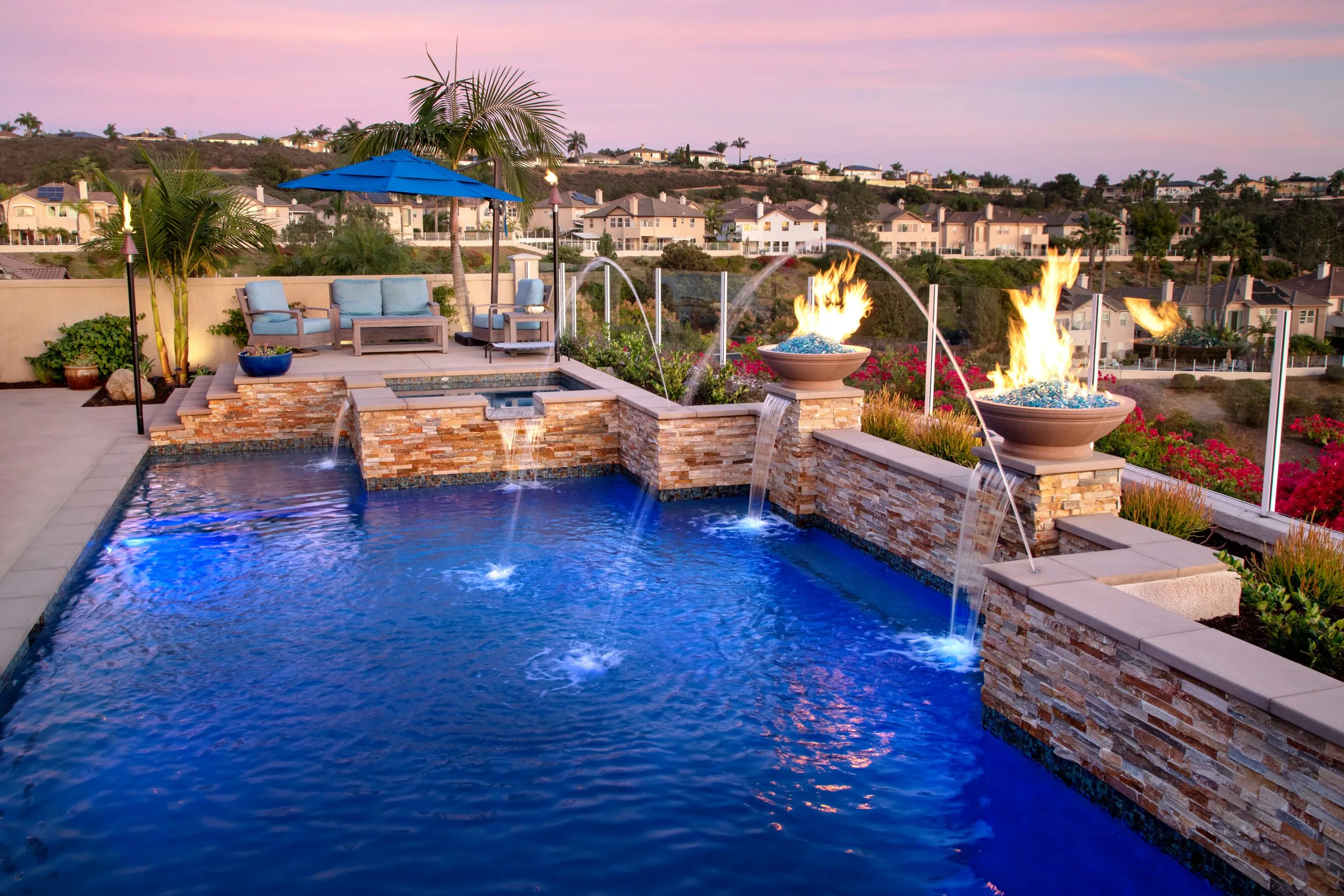

Are you considering adding a plunge pool to your residential yard? With their compact size and stylish design, plunge pools are becoming increasingly popular among homeowners looking to elevate their outdoor space. But, is a plunge pool feasible for your yard? This guide will help you understand the factors to consider, benefits of plunge pools, and how to make the most of your outdoor living space.
A plunge pool is a small, deep pool designed for soaking rather than swimming. Typically ranging from 5 to 10 feet in width and 3 to 6 feet in depth, plunge pools provide a refreshing retreat, especially in warmer climates. They can be designed in various styles, including geometric and freeform, to complement your outdoor aesthetic.
Space Efficiency: Plunge pools are perfect for small yards or properties where space is limited. Their reduced footprint allows you to enjoy the benefits of a pool without overwhelming your outdoor area.
Cost-Effective: Generally, plunge pools require less water and fewer materials compared to traditional pools, making them a more affordable option. Installation costs can also be lower, which is beneficial for homeowners on a budget.
Easy Maintenance: Due to their smaller size, plunge pools are easier to maintain, requiring less cleaning and chemical balancing compared to larger pools.
Versatility: Plunge pools can double as a stylish focal point, a serene escape, or even a small spa area when paired with features such as jets, waterfalls, or lighting.
When evaluating if a plunge pool is feasible for your residential yard, consider the size and layout of your property. Plunge pools are ideal for small or irregularly shaped yards. Ensure there is enough space not only for the pool itself but also for surrounding decking or landscaping.
Before proceeding, it is crucial to check local building codes and regulations. Many areas have restrictions regarding pool installation, including fence requirements and size limitations. You can learn more about these regulations by reviewing information on pool regulation agents.
Consider your local climate and how you plan to use your plunge pool throughout the year. In warmer climates like San Diego, a plunge pool can be enjoyed for most of the year, making it a practical addition to your yard. However, if your area experiences cold winters, you may want to incorporate heating solutions or consider how the plunge pool will fit into your seasonal enjoyment plans.
Designing your plunge pool should enhance your overall outdoor living space. Think about materials, colors, and landscaping that will blend harmoniously with your backyard. Consult a professional for advice on creating your perfect backyard oasis.
Begin by defining your goals for the plunge pool. Do you want it for relaxation, entertaining, or enhancing aesthetics? This will guide your design choices and placement in your yard.
Reach out to local authorities and obtain the necessary permits before beginning any construction. Understanding the rules governing pool installation will ensure you remain in compliance.
Select a design that complements your home and yard. You might consider a geometric plunge pool for a modern look or a freeform design for a more natural appearance. Explore options that fit your aesthetic preferences.
Work with experienced pool builders who can guide you through the process. Professional contractors will ensure that your plunge pool is built to last, adhering to high standards of craftsmanship.
Once your plunge pool is installed, consider adding features such as LED lighting, water features, or landscaping around the area. These elements can enhance both the functionality and appearance of your plunge pool.
While plunge pools are versatile and space-efficient, their feasibility ultimately depends on the size, layout, and local regulations of your yard. Consult with a professional to determine if a plunge pool is the right fit for your property.
Maintenance for plunge pools is generally simpler than for traditional pools, but it still requires regular cleaning and chemical balancing. Ensure to invest in quality filtration systems to help keep the water clean and clear.
Yes! Many plunge pools can be equipped with heating systems, allowing you to enjoy them even in cooler weather. Consider energy-efficient options for both heating and filtration systems to save on long-term costs.
To maximize the benefits of a plunge pool, consider integrating it into a broader outdoor living design. This can include adding sun loungers, umbrellas, and landscaping features that help create a relaxing environment.
In conclusion, a plunge pool can be a highly feasible and beneficial addition to your residential yard, providing an oasis for relaxation and enjoyment without requiring extensive space or resources. By considering your yard’s dimensions, local regulations, and design possibilities, you can create a stunning plunge pool that enhances your outdoor living experience. For more information on upgrading your outdoor space, explore our guide on Scripps Ranch pool upgrades and discover the latest technological advances in pool design.
Embrace the concept of a plunge pool and transform your yard into a tranquil retreat that will increase your home’s value and enhance your lifestyle!
DISCLAIMER: The information in this article has been generated by artificial intelligence, not a pool professional. The accuracy of the information in this article has not been verified by Mission Pools prior to publication and will not be updated. Therefore, this article should not be relied upon in lieu of independent research or consultation with a California pool installation or maintenance firm.


