
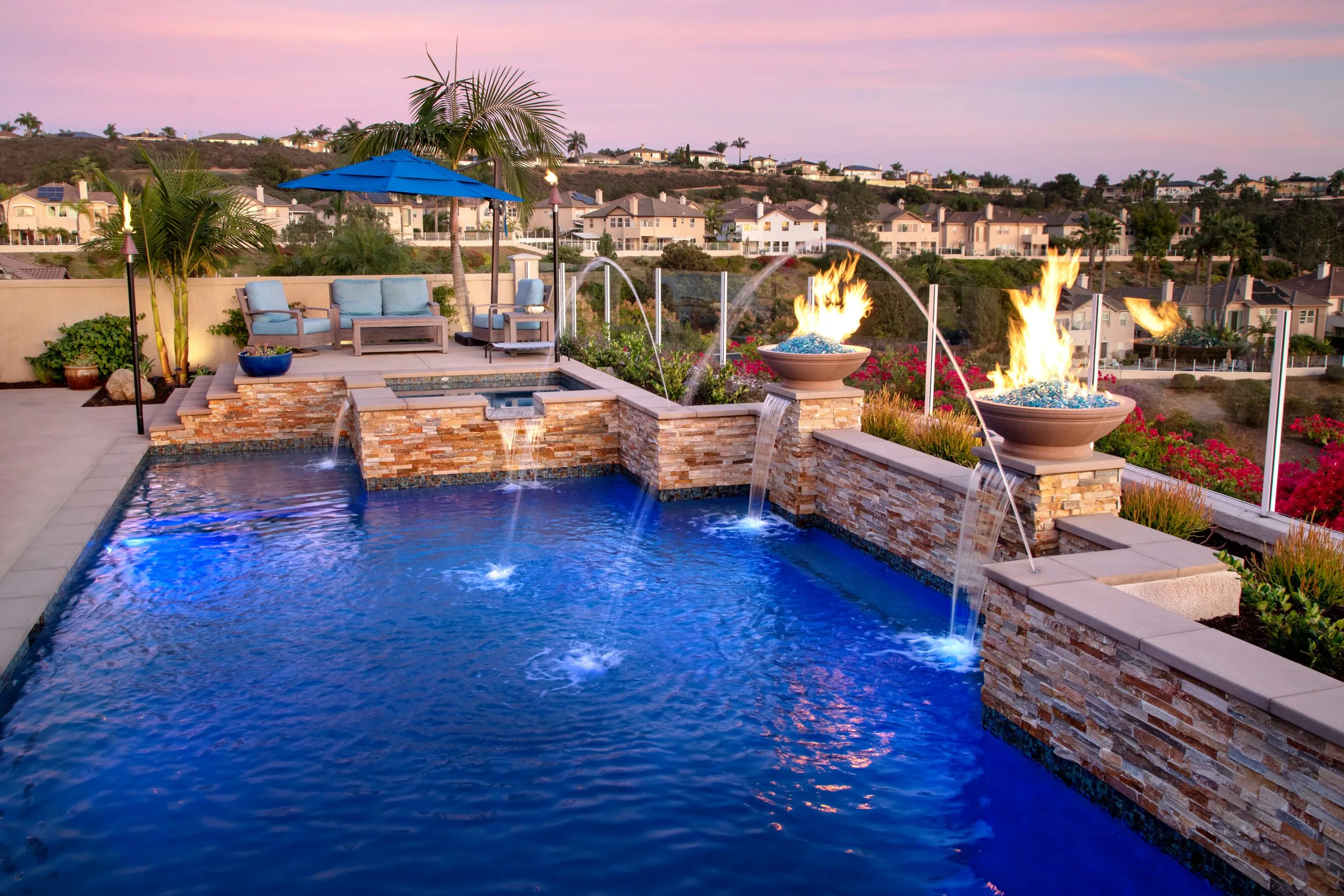

When it comes to designing the perfect pool area, selecting the right decking material is crucial. One popular option homeowners often consider is stamped concrete. This article explores whether stamped concrete is good for pool decks, highlighting its benefits, drawbacks, maintenance needs, and design flexibility.
Stamped concrete is a decorative concrete option that mimics the appearance of natural materials such as stone, tile, or brick. It is created by adding texture and color to the concrete surface before it sets.
Aesthetic Appeal
Stamped concrete offers a wide range of designs and patterns that can enhance the visual appeal of your pool area. With options to imitate natural stone or other materials, you can achieve a luxurious look without the high cost.
Durability
Concrete is known for its strength and longevity. Stamped concrete can withstand the wear and tear associated with poolside activities, providing a long-lasting surface that can endure weather variations.
Low Maintenance
Compared to other materials like wood or stone, stamped concrete requires minimal upkeep. Routine cleaning and resealing every few years are typically all that’s needed to maintain its appearance.
Heat Retention
One concern regarding stamped concrete is its tendency to retain heat, making it hot to walk on under direct sunlight. This can be mitigated by choosing lighter colors or installing shaded areas, such as those highlighted in our guide on how to increase shade around the pool.
Slip Resistance
While the surface can be treated to enhance grip, stamped concrete may not be as slip-resistant as other materials. This aspect is especially critical to consider for pool areas where wet conditions are common.
One of the standout features of stamped concrete is its design versatility. Homeowners can choose from various patterns and colors to complement their outdoor landscape. Here are a few design options that work well around pools:
For integration with landscaping, our eco-friendly landscaping solutions for pools can elevate your outdoor living experience.
When considering whether stamped concrete is good for pool decks, the installation process should be reviewed. Proper installation ensures the surface can withstand poolside activities and environmental factors.
Professional Expertise: Hiring professionals with expertise in installing stamped concrete is essential. Missteps during installation can lead to cracking and uneven surfaces.
Sealing: To protect your stamped concrete from water damage and fading, a high-quality sealant should be applied post-installation and reapplied periodically.
So, is stamped concrete good for pool decks? Yes, it certainly is! Stamped concrete offers a blend of aesthetic appeal, durability, and low maintenance that makes it an excellent choice for pool decking. Its design versatility allows homeowners to customize their pool area, while careful consideration of color and texture can help manage heat retention and slip resistance.
What are the costs associated with stamped concrete for pool decks?
The costs can vary based on design complexity; however, expect to pay between $12 and $20 per square foot on average.
How long does stamped concrete last?
With proper maintenance, stamped concrete can last upwards of 25 years, making it a sound investment for your pool area.
Can stained concrete be repaired if it cracks?
Yes, cracked stamped concrete can be repaired, though timely action is recommended to prevent further damage.
Consider working with Mission Pools to create the pool deck of your dreams, integrated seamlessly with your outdoor ambiance. Explore our poolside entertainment solutions in San Diego to enhance your luxury experience.
In summary, choose stamped concrete wisely for your pool deck to enjoy its benefits while maintaining an inviting and safe environment for family and friends.
DISCLAIMER: The information in this article has been generated by artificial intelligence, not a pool professional. The accuracy of the information in this article has not been verified by Mission Pools prior to publication and will not be updated. Therefore, this article should not be relied upon in lieu of independent research or consultation with a California pool installation or maintenance firm.


