
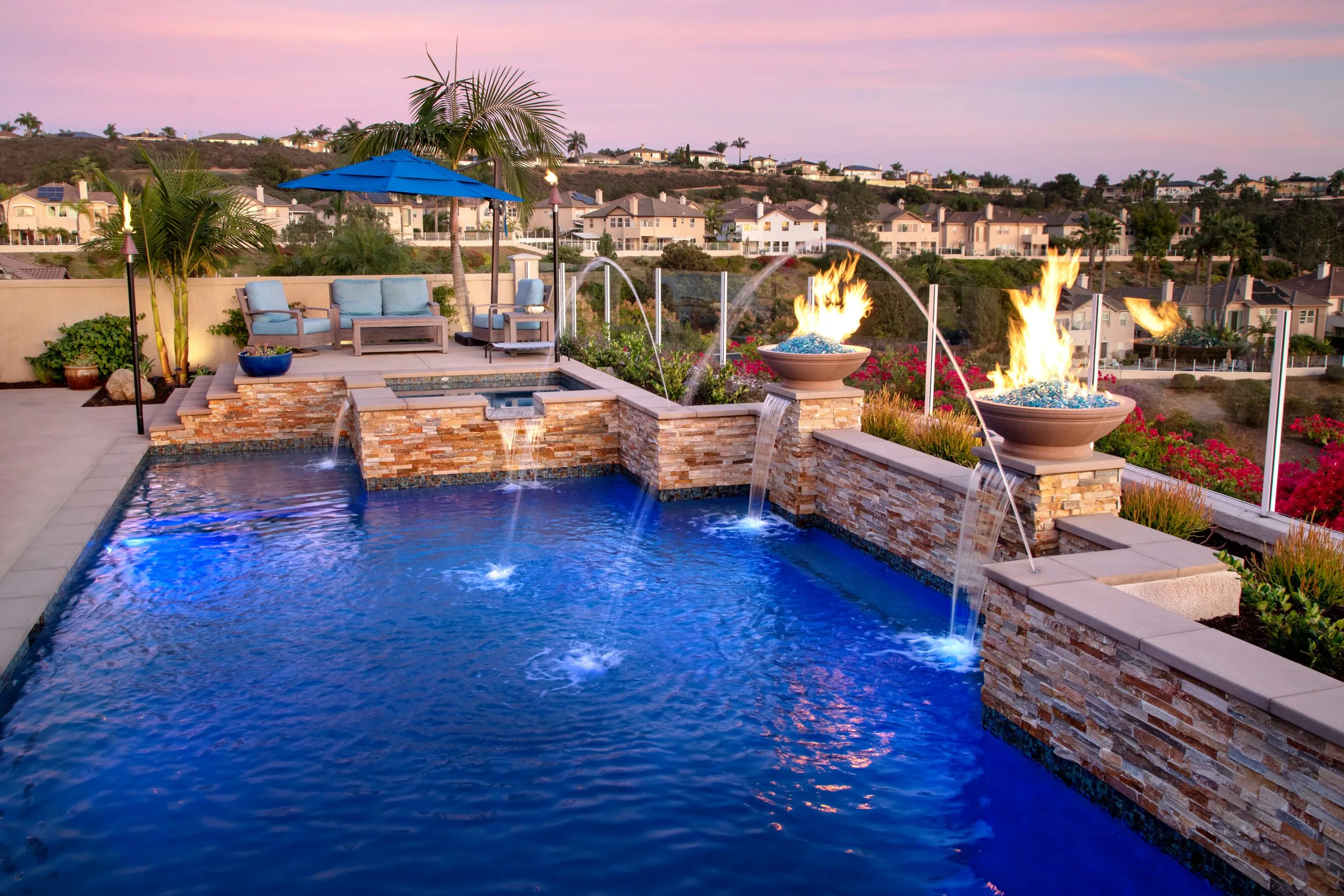

When considering the best materials for pool decks, many homeowners ask, “is travertine good for pool decks?” This natural stone offers a combination of beauty, durability, and functionality that makes it an excellent choice for outdoor swimming areas. In this article, we will explore the advantages and disadvantages of using travertine, along with essential maintenance tips to keep your pool deck looking pristine.
Travertine is a type of limestone formed by mineral springs, characterized by its porous texture and a range of natural colors. This stone is widely used in outdoor spaces due to its unique appearance and properties. When used for pool decks, travertine adds a touch of elegance while providing a safe surface for poolside activities.
One of the most crucial factors for pool deck materials is slip resistance. Travertine’s naturally porous surface provides excellent traction, making it less likely for slips and falls to occur, especially when wet.
Travertine remains cool underfoot, even on hot sunny days. This feature makes it comfortable to walk on, ensuring that you and your guests can enjoy your pool deck without burning your feet.
The beauty of travertine is unmatched, offering a variety of colors and textures that can complement any outdoor design. From rustic to modern aesthetics, travertine enhances the overall ambiance of your pool area.
Travertine is a dense and durable stone, able to withstand the elements and heavy foot traffic. This longevity makes it a smart investment for long-term outdoor use.
Maintaining a travertine pool deck is relatively straightforward. Regular cleaning and periodic sealing are usually sufficient to keep it looking new. This ease of upkeep is appealing to many homeowners.
While travertine is durable, it can be more expensive than other materials such as concrete or pavers. Homeowners should consider their budget when deciding if travertine is the right choice.
Although the porosity of travertine contributes to its slip-resistant properties, it can also absorb stains if not properly sealed. Regular sealing is essential to protect the stone from spills and environmental contaminants.
If you’re still unsure about travertine, consider these alternatives for your pool deck:
For inspiration in enhancing your outdoor living space with custom designs, explore our offerings on modern pools.
Yes, travertine provides better slip resistance and cooler surface temperatures than concrete, making it a popular choice for pool decks.
While travertine requires some maintenance, such as sealing and regular cleaning, it is generally straightforward to care for.
Travertine is durable but may crack in extreme freezing conditions. It’s best to consult with a professional about your specific climate needs when considering pool construction.
Travertine is available in various colors, including beige, brown, and gold, allowing for versatility in design.
In summary, when asking, “is travertine good for pool decks?” the answer is a resounding yes. With its slip-resistance, heat retention, and stunning aesthetics, travertine is an excellent choice for many homeowners looking to create a luxurious poolside retreat. However, it’s essential to weigh the pros and cons and consider your personal preferences and budget. If you’re interested in designing a breathtaking outdoor oasis, don’t hesitate to check out our pool design services today!
DISCLAIMER: The information in this article has been generated by artificial intelligence, not a pool professional. The accuracy of the information in this article has not been verified by Mission Pools prior to publication and will not be updated. Therefore, this article should not be relied upon in lieu of independent research or consultation with a California pool installation or maintenance firm.


