
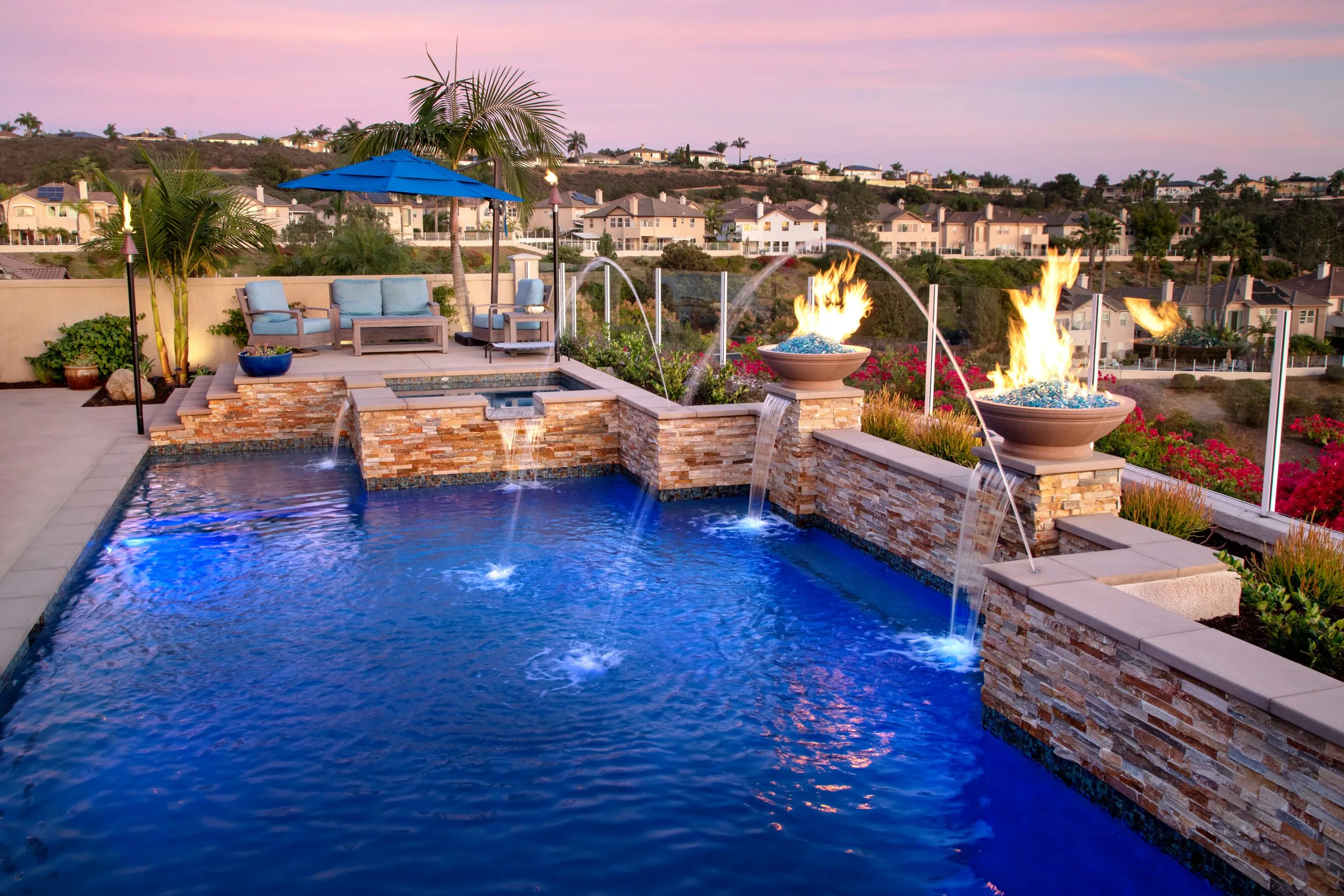

Building a pool is a significant investment that can enhance your property value and provide a luxurious space for relaxation and recreation. However, one of the most critical factors influencing the success of your pool project is the site conditions where the pool will be constructed. Understanding how site conditions affect pool building can help you make informed decisions throughout the process, ensuring a lasting and enjoyable addition to your backyard.
Before initiating the pool building process, a thorough site evaluation is crucial. This assessment includes:
Different soil types react uniquely during and after construction. For instance:
A detailed understanding of these factors allows for proper engineering and can dictate whether an innovative design is feasible, such as a freeform pool or a geometric structure.
Weather patterns during construction can significantly affect the timeline, quality, and cost of your pool project. Consider these aspects:
Understanding the local climate and planning accordingly can aid in a seamless construction experience.
Beyond construction logistics, the position of the sun can affect heating, maintenance, and landscaping around your pool. When designing your pool:
Each location has specific zoning laws and building codes that govern pool installation. Understanding these regulations is essential to avoid potential fines or project delays:
Engaging with knowledgeable inground pool contractors familiar with local regulations ensures compliance and smooth project execution.
Installing a pool can alter local drainage dynamics and ecosystem. Responsible contractors will prioritize environmentally friendly practices, which could include:
Sandy and loamy soils are generally more favorable for pool construction due to their draining properties. Clay soils require additional considerations for drainage and stability.
High water tables can lead to flotation issues with the pool shell. It’s essential to assess the water table level before construction to prevent potential damage.
Yes, the slope of your yard affects drainage solutions and can dictate whether certain designs are viable or require modifications. Proper site grading might be necessary for optimal installation.
Planning construction around dry seasons is ideal. Extreme temperatures, rain, or high winds can disrupt the process and potentially damage materials or the site.
Understanding how site conditions affect pool building is crucial for a successful installation. Each aspect, from soil type and climate to local regulations, plays a vital role in determining the design, cost, and longevity of your pool. Partnering with a seasoned professional like Mission Pools ensures that these variables are diligently evaluated and expertly managed, allowing you to enjoy your new outdoor oasis without unforeseen issues.
If you’re considering a pool installation, contact us today to explore our sleek outdoor pool designs and discover how our commitment to quality craftsmanship and project management can bring your dream pool to life. Additionally, check out our insights on calming pool solutions and summer family pool features that can further enhance your backyard experience. Don’t overlook the importance of professional swimming pool installations—trust Mission Pools for all your outdoor living needs!
DISCLAIMER: The information in this article has been generated by artificial intelligence, not a pool professional. The accuracy of the information in this article has not been verified by Mission Pools prior to publication and will not be updated. Therefore, this article should not be relied upon in lieu of independent research or consultation with a California pool installation or maintenance firm.


