
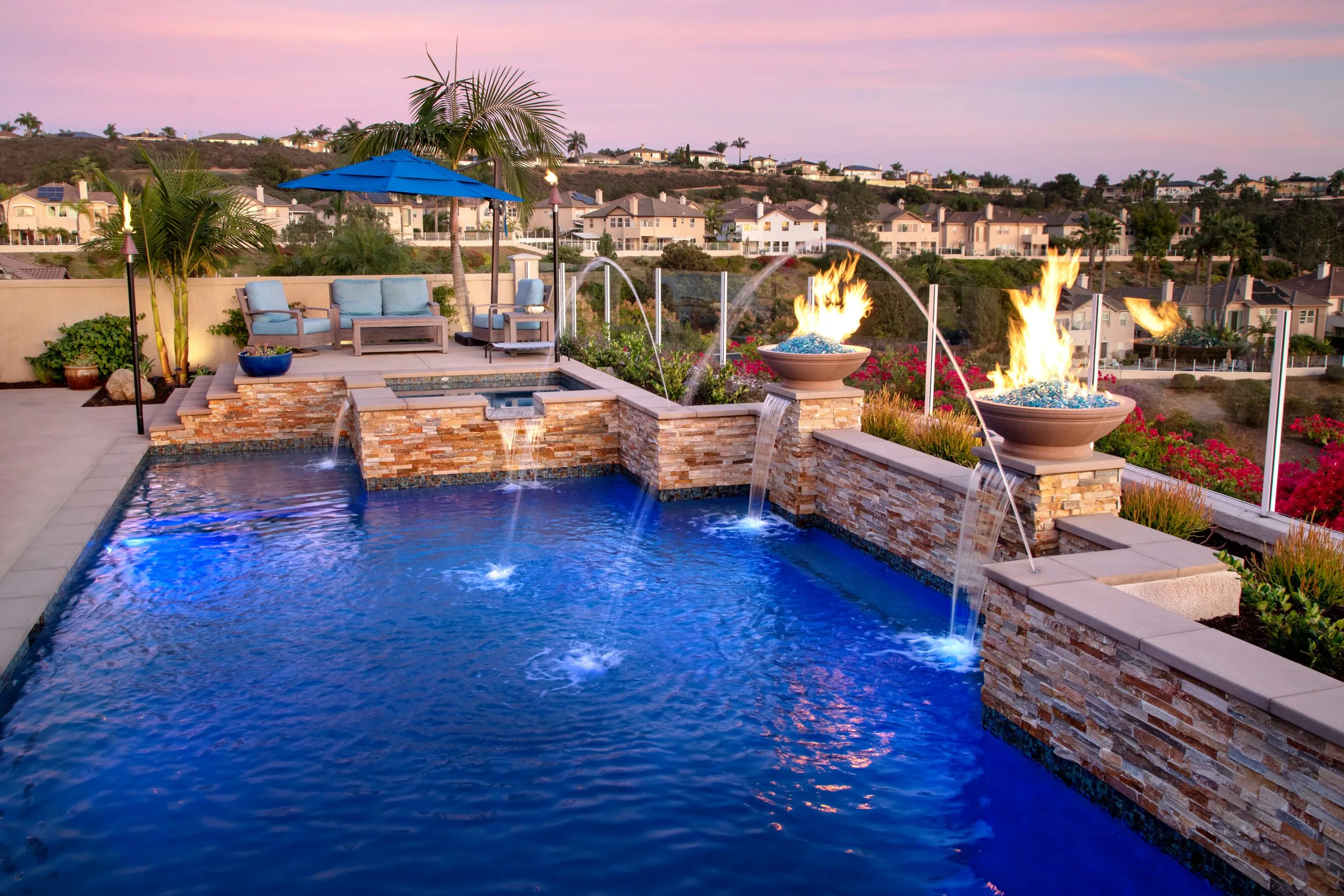

Building a pool in San Diego is both an exciting and complex venture that is governed by local regulations and approval processes. Understanding San Diego pool approvals and regulations is essential for homeowners aiming to construct a safe, compliant, and beautiful swimming pool. This guide will illuminate the key considerations, approvals required, and the overall process for designing your dream pool.
Pool regulations are in place for several reasons:
By adhering to San Diego pool approvals and regulations, you ensure that your pool construction is legally valid and safe.
Understanding the steps involved in obtaining the necessary permits is crucial for a smooth building process. Here is a breakdown of the typical steps:
Before engaging with a contractor or designer, perform initial research on what is required for your specific residential area. Check zoning laws and setback requirements for your property.
Selecting the type of pool you desire, whether it’s an in-ground pool, infinity edge, or a lap pool, affects the regulations you will need to follow. Each type has different structural and aesthetic requirements.
Hiring experienced inground pool contractors who are familiar with local regulations will simplify the process significantly. They can help draft the required plans and submit permit applications on your behalf.
Your initial design needs to be submitted to the city for approval. Expect to provide:
Once submitted, the city will review your plans for compliance with local, state, and federal regulations. This step may involve revisions if aspects of the design do not meet applicable codes.
Upon obtaining approval and starting construction, various inspections will be required at different stages, including:
After passing all inspections, you will receive final approval, allowing you to enjoy your new pool!
One key aspect of San Diego pool approvals and regulations involves pool depth. Generally, there are limits on how deep pools can be made, depending on the neighborhood and associated zoning laws. Homeowners should refer to our detailed guide on how deep pools can be made in San Diego for more specific information.
Yes, California state law, alongside local policies, mandates that all residential pools must be enclosed by fencing that meets specific height and gate requirements to ensure safety.
Before jumping into the purchase process, understanding the requirements, expected costs, and design aspects is essential. For valuable insights, refer to our guide on what you should know before purchasing a pool.
Navigating the pool building process can be daunting, but working with experienced professionals has numerous benefits:
Building a pool is a significant investment, and understanding San Diego pool approvals and regulations is essential for a successful project. With the right information and professional assistance, you can navigate the regulations efficiently and enjoy a beautiful new addition to your home for years to come.
What is the average cost to build a pool in San Diego?
Costs for pool construction can vary widely based on design, size, and materials. On average, expect pool design costs to range from $65,000 to $100,000.
How long does the approval process usually take?
The approval process can last anywhere from a few weeks to a few months, depending on the complexity of your pool design and the city’s workload.
Are there ongoing maintenance regulations after approval?
Yes, local ordinances may require regular inspections and maintenance checks for residential pools. Be sure to stay informed to avoid potential penalties.
By familiarizing yourself with San Diego pool approvals and regulations, you will be better equipped to create a safe and stunning pool that enhances your outdoor living experience. Whether you’re considering a new pool or remodeling an existing one, partnering with experts can make all the difference in your journey.
DISCLAIMER: The information in this article has been generated by artificial intelligence, not a pool professional. The accuracy of the information in this article has not been verified by Mission Pools prior to publication and will not be updated. Therefore, this article should not be relied upon in lieu of independent research or consultation with a California pool installation or maintenance firm.


