
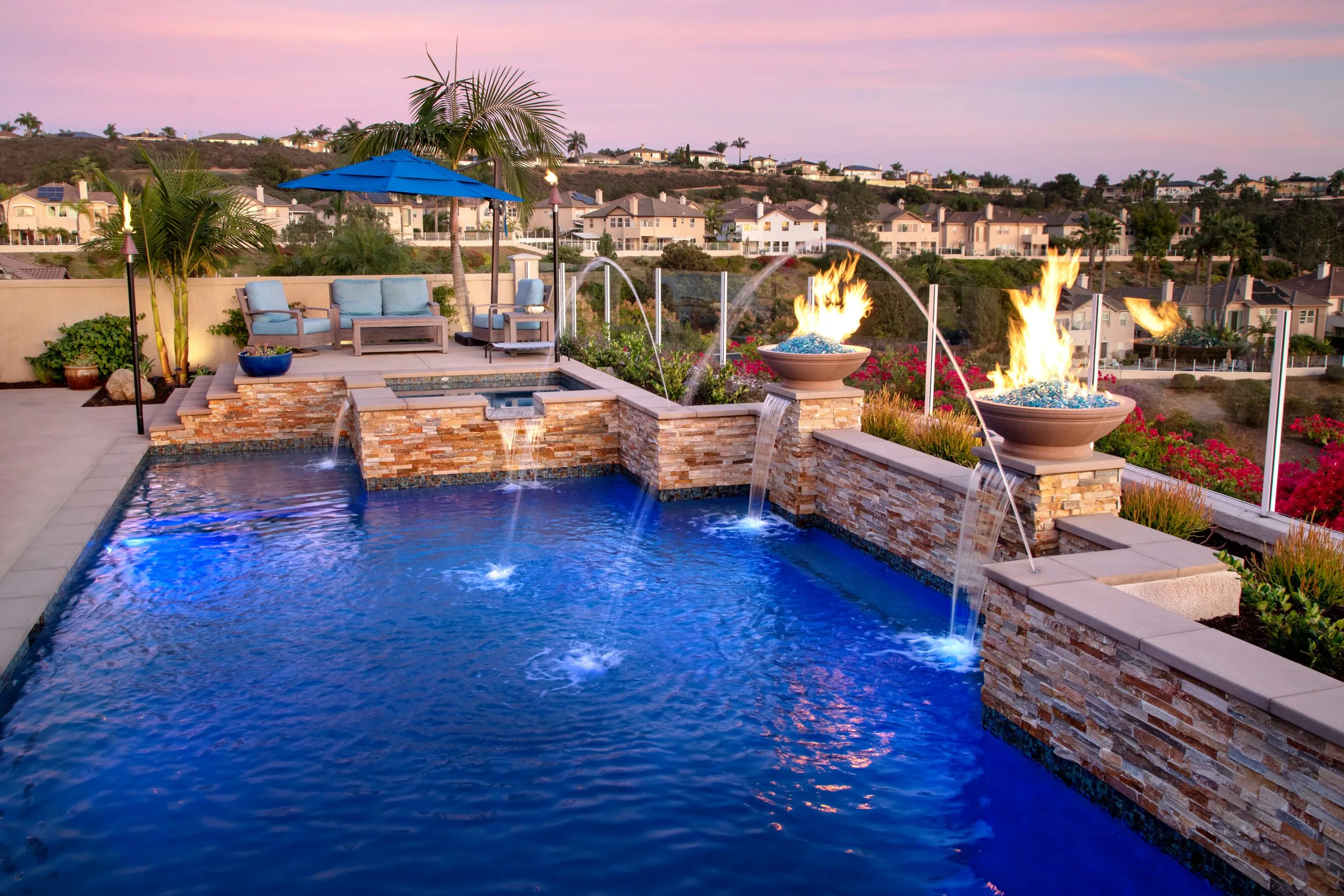

Building a pool in San Diego is a significant investment that enhances your outdoor living space. Before diving into design and construction, understanding the zoning laws for pools in San Diego is crucial for ensuring compliance and avoiding potential issues. This guide walks you through the essentials of pool zoning regulations, helping you make informed decisions.
Zoning laws govern how land can be used and developed within specific areas. In San Diego, these regulations affect residential and commercial properties, including pools.
Setback Requirements: Setbacks are the minimum distance between a structure (like a pool) and property lines or other structures. In San Diego, pools typically need to be set back a minimum of 5 feet from side and rear property lines.
Lot Coverage: There are limits on the total amount of land that can be covered by structures, including pools. City regulations generally allow for up to 30% of the lot area to be covered, which encompasses the pool, deck, and other structures.
Height Restrictions: If your pool includes structures like diving boards or slides, they must adhere to local height restrictions.
Permitting Process: Before starting construction, you must obtain a building permit from the city of San Diego. This process involves submitting plans that demonstrate compliance with zoning laws.
Check Local Ordinances: Review San Diego’s municipal code for any specific pool zoning regulations relevant to your neighborhood.
Consult with Experts: Engaging with professionals who are familiar with local regulations can streamline the permitting process. For instance, you can explore how to choose a pool builder in San Diego to find an expert who understands zoning laws.
Obtain Necessary Permits: Once you have a design in mind, apply for a permit through the City Planning Department. This typically requires an application, proof of property ownership, and detailed plans of your intended pool project.
Building a pool without the necessary permits can result in fines, and you may be required to remove the pool or modify it to comply with regulations.
Yes, front yard pools are typically not allowed under zoning laws. Pools must generally be located in the backyard to maintain neighborhood aesthetics.
If you’re considering construction in a high-water table area, explore the information on can a pool be built in a high-water table area to understand potential challenges and solutions.
Beyond zoning laws, familiarize yourself with safety codes related to pool construction, including fencing and access requirements. For more information, check out our guide on what are the safety requirements for pools in San Diego.
Navigating the zoning laws for pools in San Diego can seem daunting, but understanding the requirements empowers you to plan your pool project effectively. Remember to consult with experienced pool builders who can guide you through the specific regulations and help ensure that your pool enhances your property while complying with local laws. For insight into the timeline for permitting, visit our section on how long does pool permitting take in San Diego. This knowledge not only protects your investment but also increases your enjoyment of your new backyard paradise.
DISCLAIMER: The information in this article has been generated by artificial intelligence, not a pool professional. The accuracy of the information in this article has not been verified by Mission Pools prior to publication and will not be updated. Therefore, this article should not be relied upon in lieu of independent research or consultation with a California pool installation or maintenance firm.


