
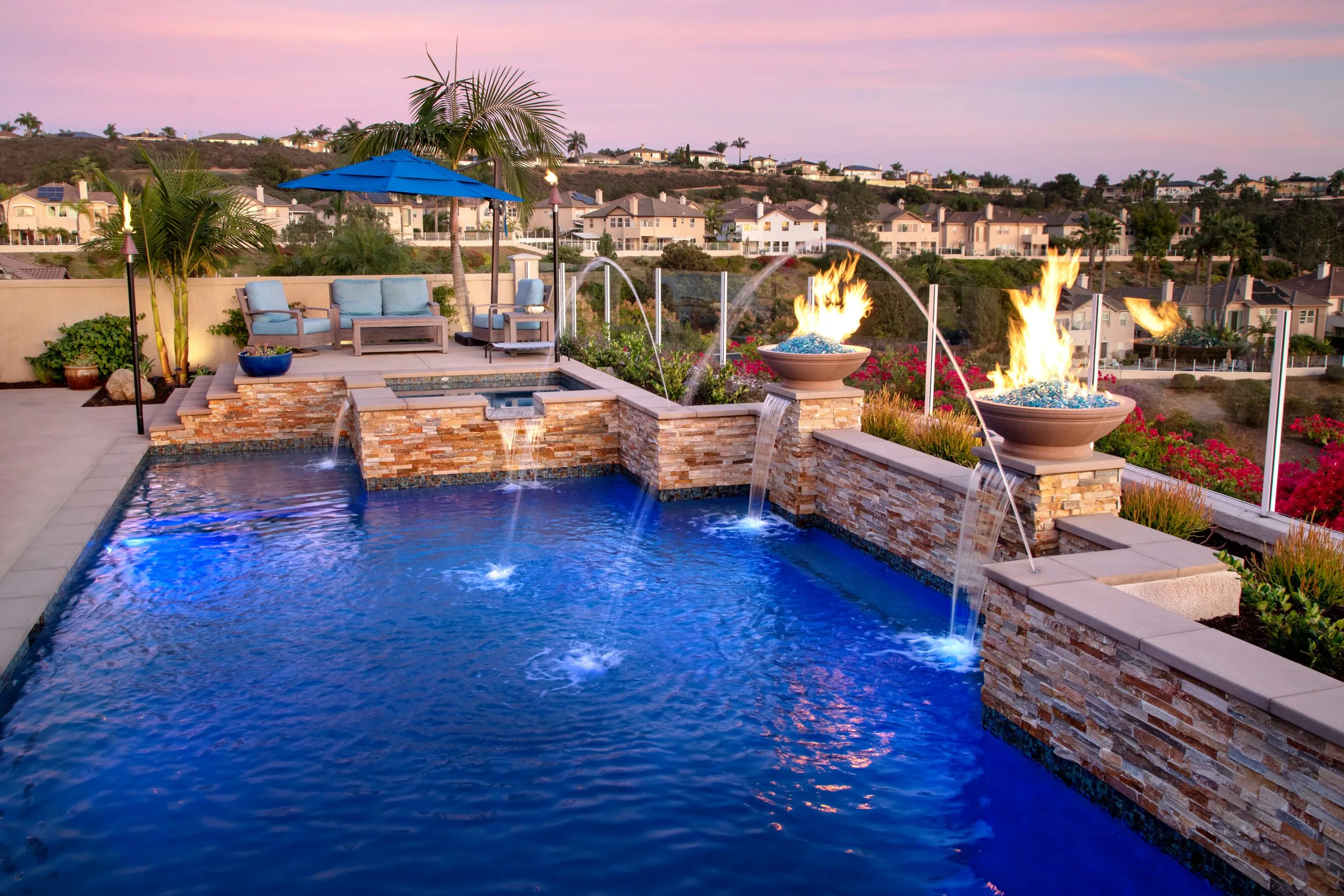

When planning to install a swimming pool, homeowners often overlook one crucial aspect: the distance of the pool from property boundaries. Knowing the appropriate setbacks can not only ensure compliance with local regulations but also enhance safety, aesthetics, and your overall enjoyment of the outdoor space. In this article, we will explore the specific distances required for pools from property lines, the benefits of adhering to these guidelines, and key considerations that homeowners should keep in mind.
The distance that pools should be from property boundaries largely depends on local zoning laws and regulations. Most municipalities have specific setback requirements that dictate how far any structure, including pools, must be from property lines. Generally, these distances can range from 3 to 10 feet or more. It is essential to consult your local zoning office or building department before proceeding with any pool installation to ensure compliance.
Staying within the designated setback distance enhances safety for both pool users and neighbors. Adequate spacing can prevent accidental injuries and serves as a buffer for any potential mishaps, reducing liability concerns for homeowners.
Properly positioning a pool can significantly enhance the visual appeal of your backyard. When pools are correctly placed, they can be integrated seamlessly with landscaping, outdoor living areas, and other features.
Following local regulations and maintaining proper setbacks can contribute positively to your property value. A well-placed pool enhances the overall design of your home and may attract future buyers who appreciate both compliance and aesthetics.
Before choosing a location, familiarize yourself with your local zoning regulations concerning pool installation. This includes understanding what distance should pools be from property boundaries. Be sure to check if your municipality has online resources or consult a licensed contractor for specific insights.
Consulting with a professional pool builder, such as Mission Pools, can help ensure a well-planned installation. Our team offers custom design excellence and can help assess your property while ensuring compliance with zoning laws.
Take a comprehensive look at your outdoor layout:
Think ahead about how you intend to use the pool. For instance, a diving board may require additional space. Check out how a diving board can be fitted in your existing pool setup for more information.
Creating visual barriers can enhance privacy around your pool area. Consider landscaping options that can serve as a natural screen. Explore the best cool-season plants for pool landscaping to enhance your oasis.
Leaving enough room around your pool is vital for maintenance and repairs. Ensure that you leave a sufficient buffer for accessing pool equipment, cleaning tools, and landscaping.
Understanding your local climate can also influence the positioning of your pool. For instance, consider wind directions, sunlight exposure, and regional wildlife. Evaluate recent technological advances in pool design that can help integrate these factors for an optimized setup.
Building a pool too close to the property line may result in fines, the requirement to remove or relocate the pool, or potential legal disputes with neighbors. Always check local laws before installation.
Yes, pools can be built on sloped properties, but this might require additional engineering and design considerations. A professional pool builder can provide insights on the best methods for construction.
For pools in San Diego, understanding the safety regulations is paramount. Check local codes for safety features like fencing, covers, and alarms to keep your pool compliant and secure.
Regular maintenance of your pool is essential to ensure a clean and healthy swimming environment. Learn more about the essential tips for pool owners and what types of maintenance are necessary.
Determining the correct distance pools should be from property boundaries is vital for safety, compliance, and the overall enjoyment of your outdoor space. By working with a professional like Mission Pools, homeowners can navigate these regulations smoothly while enjoying the numerous benefits of having a well-placed pool. Start your journey toward a beautiful outdoor oasis today while ensuring every aspect is thoughtfully considered and legally compliant.
DISCLAIMER: The information in this article has been generated by artificial intelligence, not a pool professional. The accuracy of the information in this article has not been verified by Mission Pools prior to publication and will not be updated. Therefore, this article should not be relied upon in lieu of independent research or consultation with a California pool installation or maintenance firm.


