
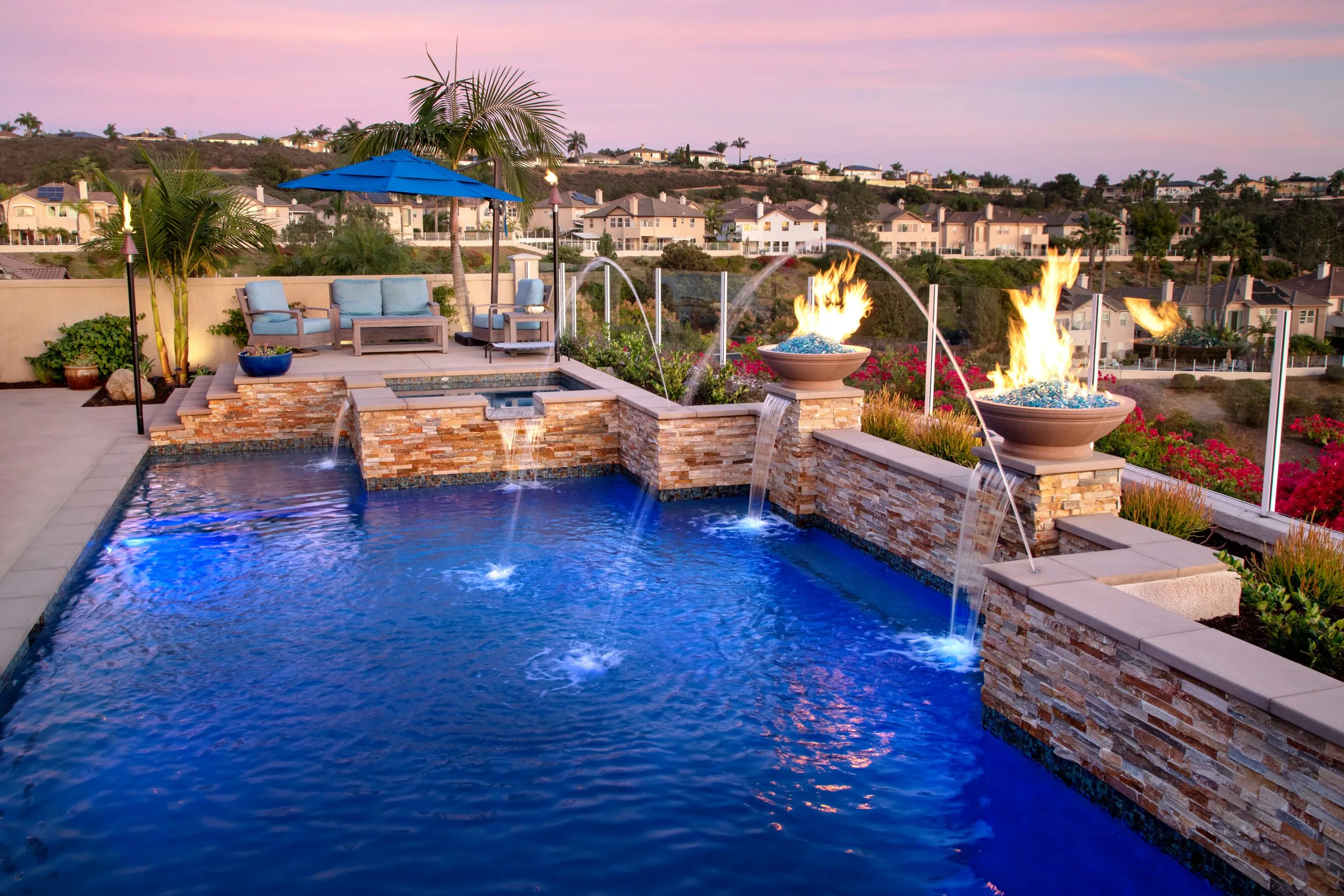

Owning a pool is a dream for many, but it comes with responsibilities. Understanding what kind of maintenance a new pool requires is essential to ensure your investment lasts and remains a source of enjoyment. Proper maintenance not only enhances the pool’s visual appeal but also increases its longevity and safety.
Maintaining your pool involves various tasks, all designed to keep the water clean, safe, and inviting. Failing to adhere to a proper maintenance schedule can lead to more significant issues, such as:
Investing time in routine maintenance also enhances your outdoor living space, creating an area where friends and family can gather.
Maintaining the right water chemistry is crucial for keeping your pool clean and safe. Key components include:
Routine cleaning is vital to prevent debris buildup and keep your pool visually appealing. Cleaning tasks include:
Your pool equipment is the backbone of your pool’s functionality. Regular checks should include:
Different seasons may require additional checks such as:
Regular pool maintenance offers numerous benefits:
Shocking your pool should be done every 1-2 weeks, or after heavy use, to keep the water clean and clear.
The choice of pool cleaner depends on your pool type and size. Automatic cleaners are efficient for larger pools, while manual vacuums work well for smaller designs.
While some tasks can be done by homeowners, hiring professionals can ensure that everything is handled correctly, especially for more complex maintenance.
If you’re looking to enhance your pool experience further, consider investing in our landscaping services for a more inviting outdoor ambiance or our pool renovation services for upgrades that transform your pool area.
In conclusion, understanding what kind of maintenance a new pool requires is vital for every pool owner. By following these guidelines and dedicating time to regular upkeep, you can ensure a safe, clean, and enjoyable pool experience for years to come. Whether you’re considering a new construction or need assistance with existing maintenance, our team at Mission Pools is here to help turn your backyard into a beautiful oasis. Contact us today to explore more about our services, including pool tile contracts to enhance your design further.
DISCLAIMER: The information in this article has been generated by artificial intelligence, not a pool professional. The accuracy of the information in this article has not been verified by Mission Pools prior to publication and will not be updated. Therefore, this article should not be relied upon in lieu of independent research or consultation with a California pool installation or maintenance firm.


