


If you’re a San Diego pool owner, you might assume winterizing is unnecessary in our mild climate.
While you won’t deal with frozen pipes, we at Mission Pools have seen that seasonal adjustments still provide real benefits: lower maintenance stress, clearer spring water, fewer repairs, and smarter energy use during cooler months when pools see less action.
In traditional cold-weather climates, winterizing means draining pipes and putting systems into hibernation for months. San Diego operates under different rules, winterizing is about adjusting to seasonal patterns: cooler water temperatures, different usage habits, and opportunities to reduce energy consumption.
This difference creates confusion. Many San Diego pool owners assume winterizing doesn’t apply to them, while others follow unnecessarily aggressive cold-climate advice. Both approaches miss the mark. Even in our mild climate, pools face real seasonal risks: algae growth from reduced circulation, scale buildup when chemistry drifts, debris from Santa Ana winds overwhelming neglected filtration, and winter storms throwing off water balance.
Research from the National Swimming Pool Foundation shows proper seasonal maintenance significantly reduces long-term equipment wear and water quality issues. Rather than “closing” your pool, consider winterizing as “lighter, smarter care”, keeping everything healthy for easy spring reactivation.
You’ll enjoy one of the longest swimming seasons in the country as a San Diego pool owner. From March through October you’ll be able to enjoy the pool as often as you like, before usage naturally slows down during the winter months.
Your winterizing timeline should match your family’s usage patterns rather than the calendar. Typically, winterizing a pool makes sense once water temperature consistently stays below comfortable swimming levels (usually mid-to-upper 60s) and air temperatures make outdoor entertaining less appealing. For most San Diego pools, this happens sometime between late November and early January.
The key is recognizing when your pool transitions from “active use” to “occasional use” mode. Unlike harsh-climate pools that require complete shutdown, San Diego pools benefit from a “soft close”, reducing run times, adjusting chemical routines, and implementing seasonal protection measures while keeping systems operational and ready for spontaneous warm-weather use.
Most owners winterize pool settings once at the beginning of the season, then make small adjustments every few weeks based on changing weather conditions.
Before making any seasonal adjustments, start with a comprehensive cleaning that addresses both visible debris and hidden buildup. Skim the surface thoroughly, brush all walls, steps, and built-in seating areas, then vacuum the entire pool floor. Don’t forget to empty and clean skimmer baskets, pump baskets, and any leaf traps in your system.
This initial cleaning is crucial because when you winterize pool systems, you’re essentially reducing the intensity of your maintenance routine. Any debris or algae present when you start your winter program will have months to establish itself and multiply. Pay special attention to tile lines, corners, and shaded areas where algae likes to cling and build up.
Consider this deep clean an investment in spring startup ease. Pools that enter winter clean and balanced require minimal effort to reactivate when warm weather returns.
Proper water chemistry remains essential during winter, though the targets and frequency may shift slightly. Test your pool for pH, total alkalinity, sanitizer levels (chlorine or bromine), calcium hardness, and cyanuric acid (stabilizer). While cooler water temperatures slow algae growth and reduce chlorine consumption, balanced water still matters for surface protection and equipment longevity.
According to the Pool & Hot Tub Alliance, maintaining proper water balance year-round prevents costly surface and equipment damage that often goes unnoticed during periods of reduced pool attention.
Some pool professionals recommend slightly adjusting chemical targets for winter months, perhaps allowing pH to run in the upper portion of the acceptable range (7.4-7.6) and reducing sanitizer levels moderately. However, never let chemistry drift completely out of balance, as this can lead to scale, staining, or surface damage that’s expensive to reverse.
For accurate testing and interpretation, invest in a high-quality digital tester or test strips designed for comprehensive analysis. Many pool owners find that professional water testing and balancing during the seasonal transition saves time and ensures optimal chemistry setup for the months ahead.
One of the most significant changes when winterizing a pool in San Diego involves reducing circulation and filtration runtime. During peak summer, pools often run 10-12 hours daily to handle heavy bather loads, intense sun, and higher water temperatures. Winter conditions allow for substantial reduction without compromising water quality.
Most San Diego pools maintain excellent water quality with 6-8 hours of daily circulation during winter months. The exact runtime depends on your pool size, equipment efficiency, and local microclimate conditions. Pools in areas with heavy tree coverage or frequent wind may need longer run times to handle debris, while pools in more protected locations can often run less.
Consider splitting your reduced runtime into two or three cycles throughout the day rather than running continuously. This approach helps maintain water movement and surface skimming while maximizing energy efficiency. Many modern automation systems allow you to program separate winter and summer schedules, making seasonal transitions seamless.
San Diego’s mild climate means you can skip the heavy-duty “closing kits” designed for pools in freezing climates. These products often contain harsh chemicals and algaecides that are unnecessary and potentially wasteful in our temperate conditions.
Instead, focus on maintaining consistent, moderate chemical levels throughout winter. A light shock treatment may be beneficial before reducing circulation, especially if you’ve noticed any algae development during your pre-winter cleaning. Choose an algaecide appropriate for your pool surface, avoid copper-based products on natural stone or certain plaster finishes.
For pools in areas with hard water, consider adding a scale and stain prevention product to protect surfaces during months when water balance might receive less frequent attention. Always ensure new chemical additions are compatible with your existing sanitizer system to avoid unexpected reactions or equipment damage.
Pool covers offer significant benefits even in San Diego’s mild climate, though the considerations differ from colder regions. Your options include no cover at all, mesh covers that allow water through while blocking debris, solid covers that prevent evaporation and heat loss, or automatic covers that provide convenience and security.
Even in our temperate weather, covers help reduce debris accumulation, minimize evaporation (saving water and chemical costs), and retain heat for those occasional winter swims. However, covers also require maintenance and proper installation to provide benefits without creating new problems.
Before winter, inspect any existing covers for tears, worn attachment points, or damaged hardware. Clean covers thoroughly before storage or installation, and ensure proper fit to avoid water accumulation or wind damage. For pools with automatic covers, verify proper operation and address any mechanical issues before relying on the system throughout winter.
While San Diego’s mild temperatures rarely threaten equipment with freeze damage, winter is an excellent time for preventive equipment maintenance and protection. This protects your initial investment and gives you pool finance options later. Inspect your pump, filter system, heater, and automation controls for signs of wear, leaks, unusual noise, or pressure irregularities.
Unlike cold-climate pools that require complete drainage of plumbing lines, San Diego pools typically keep water in all systems year-round. However, you should still ensure that water doesn’t sit stagnant in areas prone to scale buildup or corrosion. This is particularly important for decorative water features like spillways, sheer descents, spa overflows, and bubblers.
Consider scheduling professional equipment inspection during your winterizing process. Mission Pools maintenance teams can identify potential issues before they become costly repairs and ensure all systems are optimized for efficient winter operation.
The key to successful San Diego pool winterizing lies in consistency rather than intensity. Establish a simple weekly routine that takes 10-15 minutes and prevents minor issues from becoming major problems.
Your weekly check should include a quick skim of surface debris, a visual inspection of the equipment pad for leaks or unusual conditions, confirmation that timer schedules are running as programmed, and basic testing of sanitizer and pH levels. This minimal investment of time can prevent algae blooms, equipment failures, and chemistry disasters that require expensive professional intervention.
Know when to call for professional help rather than attempting DIY diagnosis and repair. If you notice equipment noise, pressure irregularities, persistent algae despite proper chemical levels, or confusing test results, contact Mission Pools for expert troubleshooting.
Different pool surfaces react uniquely to seasonal changes. Traditional plaster pools are most susceptible to etching when water balance drifts, requiring consistent chemistry monitoring.
Pebble finishes tolerate minor fluctuations but develop scale buildup in hard water areas. Tile pools need attention at the waterline where minerals concentrate during reduced circulation.
Salt chlorine generators lose efficiency as water temperatures drop, often requiring manual cell output reduction or supplemental traditional chlorine. Monitor salt levels regularly, as winter rain dilutes concentration.
Consider cleaning generator cells during off-season and switching to traditional sanitizer completely to extend cell life and system longevity.
Attached spas typically remain active during San Diego winters while main pools see reduced use. Set up separate circulation schedules allowing longer spa cycles with reduced pool circulation.
Monitor chemistry carefully since smaller spa volume changes rapidly and affects connected pool water through spillover systems.
Automatic covers need special winter attention for reliable operation. Keep tracks debris-free, verify water removal pumps, and monitor levels for proper opening/closing.
Solar heating systems can provide benefits during sunny winter days. Maintain light operation to extend swimming opportunities while checking panels for debris accumulation.
The most common and costly mistake San Diego pool owners make is treating their pool like it’s located in Minnesota, shutting down circulation, filtration, and sanitizer completely during winter months. This approach virtually guarantees algae blooms, equipment problems, and expensive spring recovery efforts.
San Diego’s mild climate supports algae growth year-round, especially when water sits stagnant. Instead of complete shutdown, implement reduced but consistent operation. Your pool should continue circulating water, filtering debris, and maintaining basic chemical balance throughout winter.
A better approach involves reducing run times to 6-8 hours daily, adjusting chemical levels for cooler conditions, and maintaining weekly monitoring routines that prevent problems before they develop.
Clear water can be deceiving, especially during cooler months when algae growth and chemical consumption slow down. Pool owners often assume that visually clear water means everything is fine, but unbalanced water continues causing surface damage, equipment corrosion, and scale buildup even when it looks perfect.
Continue testing water chemistry every 1-2 weeks throughout winter, making small adjustments as needed. This consistent attention prevents major correction efforts later and protects your pool investment from subtle but costly damage.
Remember that water balance affects more than just appearance, proper chemistry protects your pool surface, equipment, and water features from long-term damage that may not become visible until extensive repair is needed.
San Diego’s winter weather includes periods of high winds, occasional storms, and natural leaf drop from surrounding landscaping. Pool owners who reduce their maintenance attention during winter often return to find pools clogged with debris that has decomposed and created water quality problems.
Maintain regular skimming during windy periods, especially during Santa Ana wind events that can deposit surprising amounts of debris overnight. Consider using leaf nets for temporary protection during heavy debris periods, and trim back any overhanging vegetation before winter to reduce ongoing debris load.
Even with reduced circulation, your filtration system still needs to handle debris efficiently. Clean skimmer baskets and pump baskets regularly to maintain proper water flow and prevent equipment strain.
Some pool owners assume that draining their pool completely during winter will eliminate maintenance needs and protect against weather damage. In most San Diego locations, complete draining creates more problems than it solves.
Drained pools can experience structural damage from soil pressure, especially in areas with high groundwater or clay soils. Additionally, San Diego’s occasional winter rains can cause drained pools to “float” or shift in unstable soil conditions.
Pool draining should only occur under professional guidance for specific repair or resurfacing projects. For routine winter care, maintain normal water levels and adjust maintenance intensity rather than eliminating water completely.
While many aspects of San Diego pool winterizing are accessible to motivated homeowners, certain situations call for professional expertise. Equipment issues like unusual pump noise, pressure irregularities, heating problems, or automation malfunctions require proper diagnosis and professional pool renovation.
Persistent water quality problems, algae returning despite proper treatment, stubborn staining, or confusing test results, typically need professional analysis and customized treatment plans. Complex system adjustments like replumbing, automation upgrades, or adding variable-speed pumps require professional installation.
Mission Pools maintenance services provide comprehensive winter care, handling seasonal adjustments, water balancing, problem diagnosis, and monitoring, allowing you to enjoy proper winterizing benefits without time investment or technical complexity.
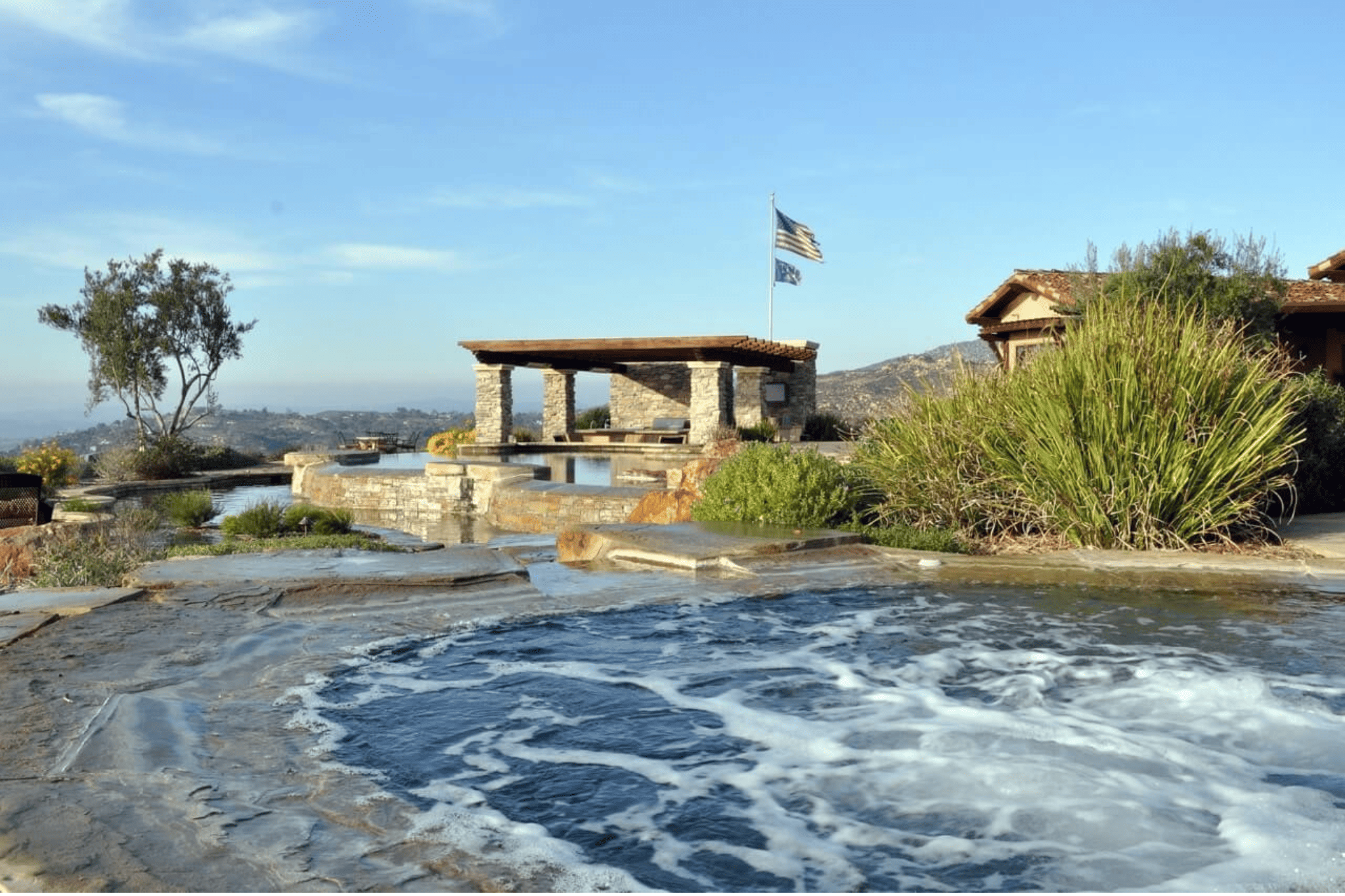
For over three decades, Mission Pools has been crafting luxury aquatic environments throughout Southern California. Our local knowledge sets us apart, we understand coastal conditions, varying microclimates throughout San Diego County, and specific community requirements.
As a full-service pool company, the same skilled craftsmen who design and build our award-winning pool designs also provide maintenance and seasonal services. This continuity ensures comprehensive care from professionals who understand every aspect of pool systems.
Ready to ensure your pool transitions smoothly into winter? Contact Mission Pools today to schedule your seasonal service visit or discuss ongoing maintenance options.
Even in San Diego’s mild climate, thoughtful winterizing pays dividends in reduced stress and better water quality.
The key is smarter, lighter care that matches reduced usage while maintaining system health. Don’t let another winter pass with uncertainty, contact Mission Pools today for expert winterizing services and seasonal maintenance planning.
You know . . . you just do not wake up one day and decide you can be someone’s partner in business. Strong relationships take...

Southern California is known for a lifestyle second to none. Our area that started out as an arid desert has now become a land of...
Yesterday was an example of why my brother and I enjoy this business so much. Contracting is all about solving problems…problem/solution management.


