
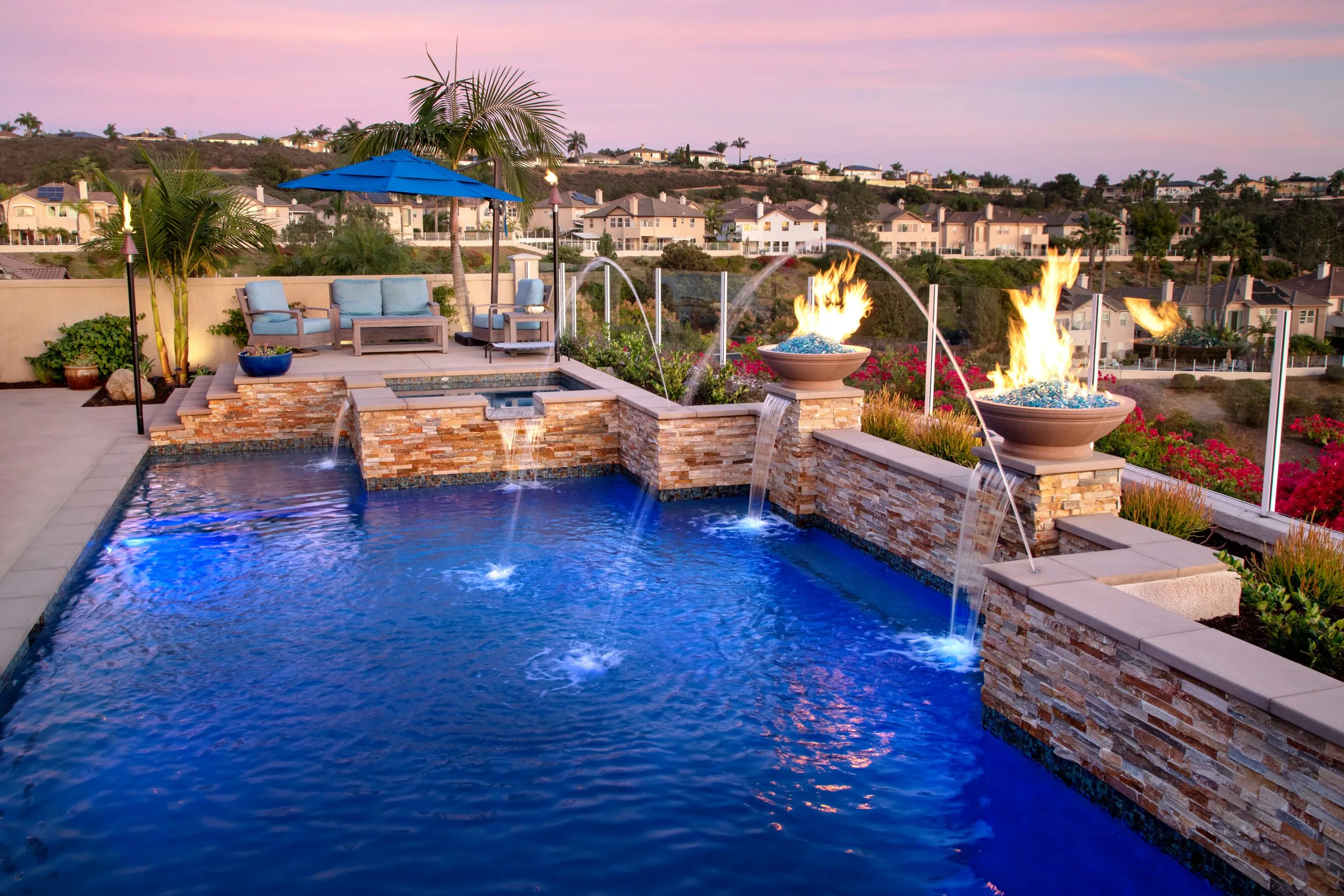

When planning to install a swimming pool, one of the most crucial questions homeowners face is, “how deep to dig for a swimming pool?” The answer to this question varies based on several factors, including pool type, intended use, local regulations, and personal preferences. This comprehensive guide will help you determine the optimal depth for your new swimming pool, ensuring a safe and enjoyable experience for you and your family.
The depth of your swimming pool significantly impacts safety, functionality, and overall enjoyment. A properly designed pool caters to various activities, such as swimming, diving, and relaxing. Moreover, meeting local building codes and regulations is essential for avoiding penalties and ensuring safety.
Every region has specific regulations regarding pool depth, which can be influenced by factors such as soil conditions, climate, and safety standards. In San Diego, for instance, understanding the how deep can pools be made in San Diego is crucial to ensure compliance with local building codes. Homeowners must always consult with a licensed contractor to understand these regulations fully.
While the depth of a swimming pool can vary, here are the typical depths for different types of pools:
What depths are optimal for family pools is a crucial consideration when planning your design.
Infinity edge pools often require specific construction techniques that may influence their depth. Typically, the deeper end may be 5 to 6 feet to accommodate the design and create the flowing effect that makes them visually stunning.
For a lap pool, maintaining a depth of at least 4 to 5 feet allows for comfortable swimming and proper flow. This depth can accommodate competitive swimming without concerns about shallow areas interrupting the swimmer’s performance.
Understanding how you and your family plan to use your pool is central to deciding its depth. If your primary focus is leisure and family fun, shallower depths may suffice. However, if you envision hosting pool parties or incorporating diving, you’ll need to consider deeper options.
For families with children or non-swimmers, a shallower pool might be safer. Creating designated shallow areas can also provide peace of mind for parents. Safety features such as fencing and covers are also critical in preventing accidents.
Soil type and site conditions play a significant role in determining how deep to dig for a swimming pool. Certain soil types, such as clay, require deeper excavation to stabilize the pool structure. Consulting with experts during the design phase can help identify and mitigate potential issues.
Engaging with professionals like Mission Pools can greatly enhance your pool planning experience. With a focus on custom design excellence, they can help develop tailored layouts that maximize your yard’s potential and integrate the pool beautifully into your landscape.
One of the overlooked aspects of pool design is maintenance. By understanding how to design a pool that reduces maintenance, you can save yourself future headaches and costs. Depth can influence the pool’s overall maintenance—deeper pools often require more significant water management.
The minimum depth for a residential pool is often around 3 feet, adequate for a leisure pool. This depth is suitable for children and provides a relaxing area.
Yes, many pools feature a shallow end (3 to 4 feet) and a deeper end (5 to 10 feet), accommodating various activities like play and diving.
Deeper pools can facilitate diving, allow for better water circulation, and typically create a more luxurious aesthetic. They can also provide more space for features such as waterfalls or spas.
In conclusion, determining how deep to dig for a swimming pool involves careful consideration of usage, safety, local regulations, and site conditions. Engaging professionals from Mission Pools ensures a well-designed pool that meets your family’s needs while enhancing your property. For more detailed insights on pool construction, visit our glossary for informative articles about pool types and maintenance tips. Start your journey toward a beautiful swimming pool today!
DISCLAIMER: The information in this article has been generated by artificial intelligence, not a pool professional. The accuracy of the information in this article has not been verified by Mission Pools prior to publication and will not be updated. Therefore, this article should not be relied upon in lieu of independent research or consultation with a California pool installation or maintenance firm.


