
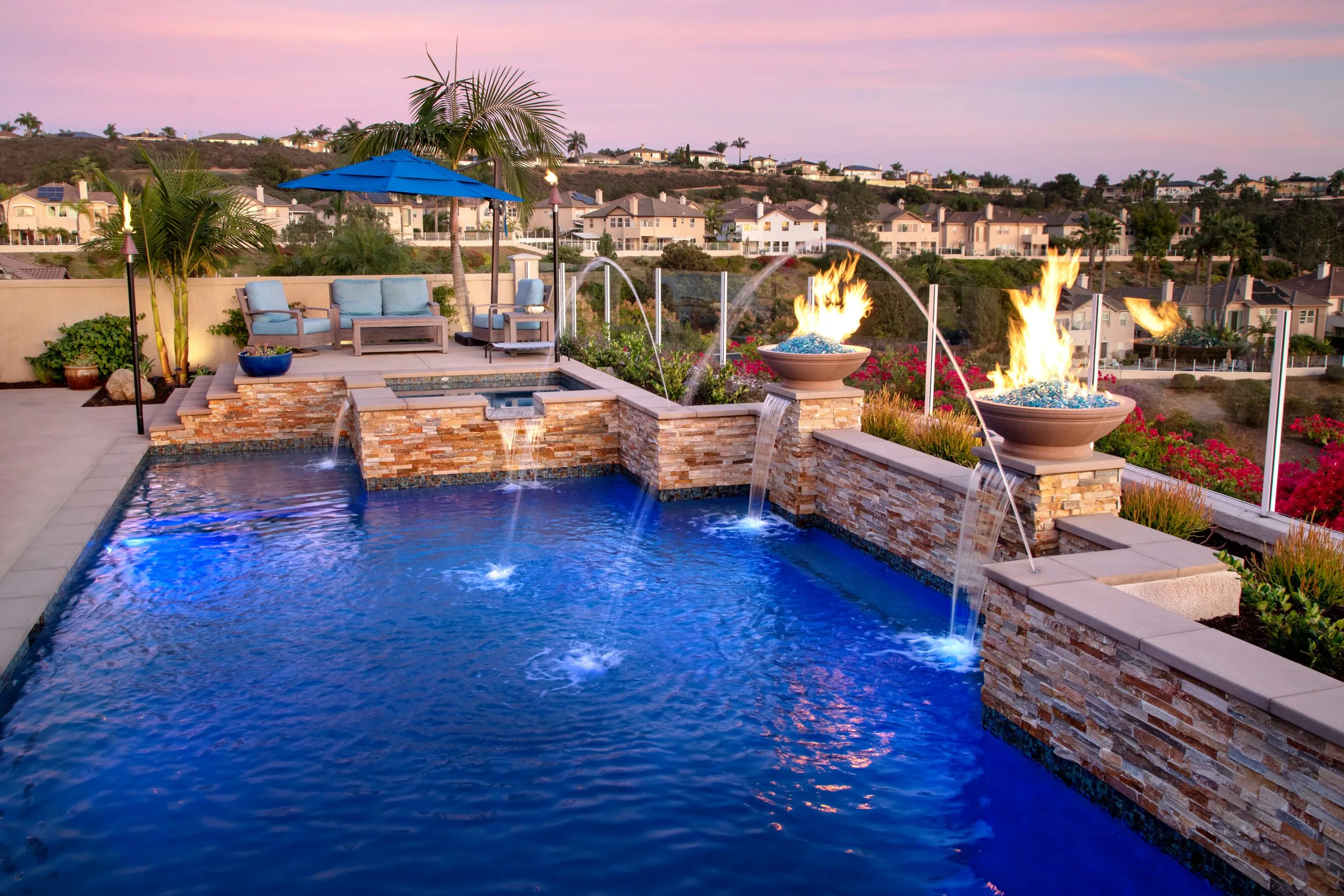

When considering the design of your family pool, one crucial aspect to take into account is water depth. Understanding what depths are optimal for family pools not only enhances enjoyment but also ensures safety, making each swimming experience memorable. In this article, we will explore various pool depths, how they cater to different family activities, and the essential considerations for choosing the right depth for a family pool.
A family pool typically has varying depths to cater to different preferences and activities. The standard depths are generally categorized as follows:
When determining what depths are optimal for family pools, consider the following factors:
Choosing the right depths for your family pool promotes a secure swimming environment:
Opting for diverse depths can elevate the pool experience for every family member:
One effective strategy to cater to a wide range of activities is to create zones with different depths. Here’s how you can do this:
Incorporating artistic family pool layouts with varying depths allows you to create a visually appealing and functional outdoor space. Custom designs can feature gradual transitions and integrated landscaping, enhancing both aesthetics and utility. You can explore these innovative designs further with our guide on artistic family pool layouts.
Consider creating cozy sections within the pool area for relaxation. Shallow platforms can serve as lounge spots, while deeper areas can be transformed into vibrant spaces for family fun. Explore ways to create cozy family pools that encourage family bonding and relaxation.
Choosing the right depth is not just about fun but also involves maintaining water quality:
The best depth for a family pool typically ranges from 3.5 feet for the shallow end to 5-6 feet in the deep end, catering to various family activities and ensuring safety for children.
Yes, a pool can be too deep for families with small children or non-swimmers. A gradual slope from shallower to deeper sections provides a safer design for all ages.
Certain pool shapes, such as freeform designs, allow for more flexible depth variations, making it easier to create distinct zones for different activities.
Engaging family pool spaces incorporate features such as water slides, fountains, and child-friendly sections. Explore the possibilities of engaging family pool spaces for more ideas.
Understanding what depths are optimal for family pools is essential to create a functional and enjoyable swimming environment. From safety considerations to customization options, achieving the right depths can elevate the joy of your family’s outdoor space. By thoughtfully planning and designing your pool, including shallow, mid, and deep sections, you can craft a perfect retreat for relaxation and family fun.
For more insights on how to transform your yard with beautiful pool designs, consider exploring our guide on family-oriented pools.
Make your family’s swimming experience safe, enjoyable, and unforgettable with a perfectly designed pool!
DISCLAIMER: The information in this article has been generated by artificial intelligence, not a pool professional. The accuracy of the information in this article has not been verified by Mission Pools prior to publication and will not be updated. Therefore, this article should not be relied upon in lieu of independent research or consultation with a California pool installation or maintenance firm.


