
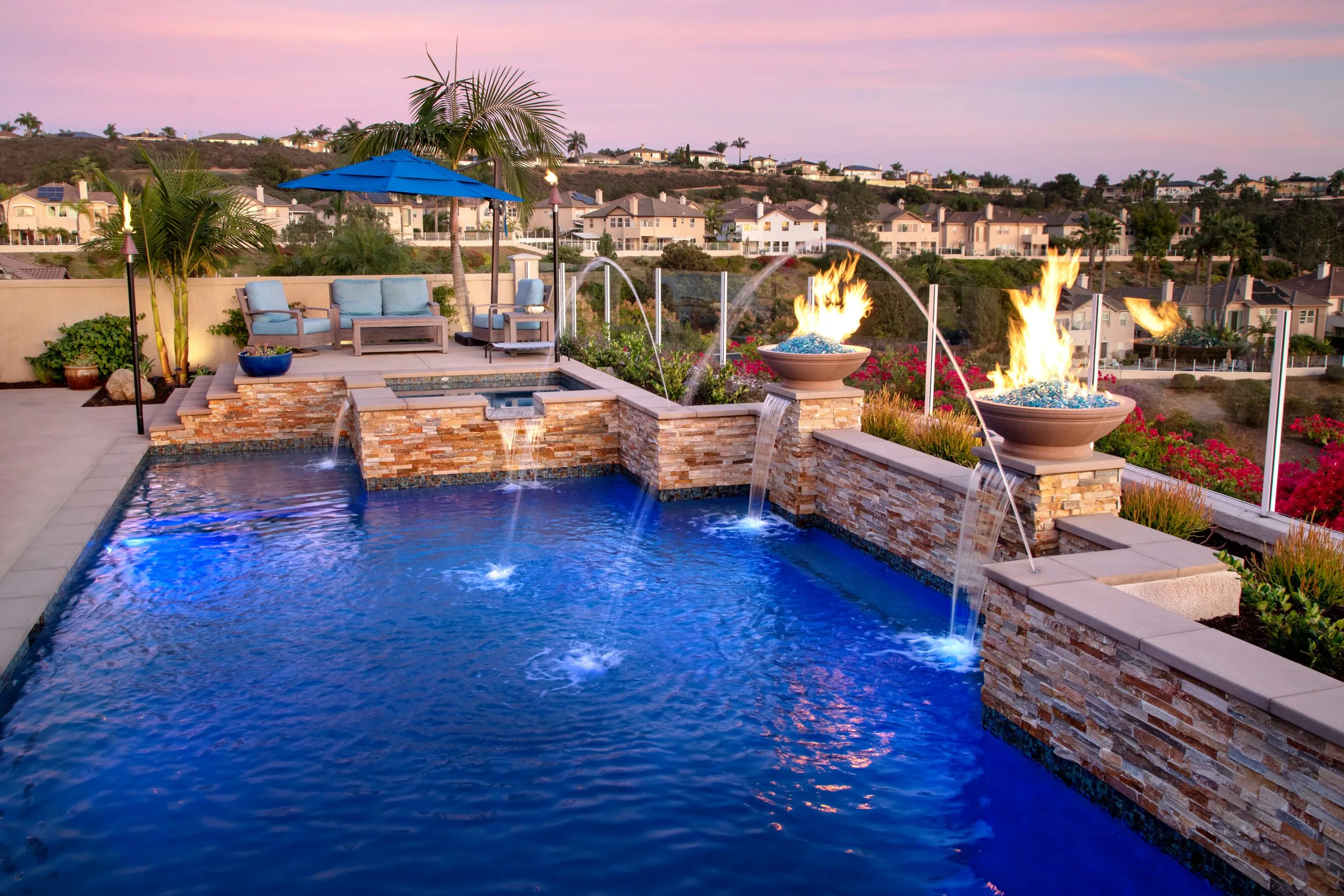

When it comes to building or renovating a pool, selecting the right outdoor materials is crucial for both aesthetics and functionality. The choice of materials can impact durability, ease of maintenance, and the overall visual appeal of your outdoor space. In this guide, we will explore the essential factors to consider when choosing outdoor materials for pools, ensuring you make informed decisions that enhance your outdoor living experience.
Choosing the right materials for your pool area not only affects the pool’s longevity but also directly influences safety, comfort, and the overall vibe of your outdoor space. High-quality materials will resist the elements and provide a seamless integration with your home and landscape.
Durability
Weather resistance and lifespan are vital when considering materials for your pool surroundings. For insights on selecting durable pool materials, check out our detailed guide on choosing pool materials for durability.
Aesthetics
The visual appeal of your pool area is enhanced by the materials you choose. Decorative stone, wood, and various finishes can accentuate the design of your pool.
Comfort
Materials should provide a comfortable walking surface around your pool. Textured surfaces can reduce slipperiness, minimizing the risk of accidents.
Maintenance
Consider how much time and effort you’re willing to invest in maintaining your pool area. Some materials, like natural stone, may require more upkeep than others, such as composite decking.
Cost
Budget is always a significant factor. Compare the long-term cost of materials, factoring in not just the purchase price but also expected maintenance and durability.
Natural stone creates a stunning and timeless look but often requires regular maintenance to keep it looking its best.
Concrete is a practical choice that can mimic the look of stone or tile while providing a robust foundation.
Pavers offer a lot of creativity in design and can easily be replaced if damaged.
Composite decking is great for homeowners looking for a sustainable and low-maintenance option.
Tiles are an excellent option for both pool interiors and surrounding areas, providing endless design possibilities.
Integrating your chosen materials with your pool’s design and landscaping can elevate your outdoor area. For instance, using similar materials for your decking and patio can create a cohesive transition between spaces. Conversely, contrasting materials can add dynamic visual interest.
Additionally, always consider how soil types might affect your pool’s stability and durability. Learn more about how the soil type affects pool stability to ensure your installation lasts through the years.
The best materials for pool decks include concrete, pavers, natural stone, and composite decking. Each material has its unique properties and suitability based on design preferences and climate conditions. For more details, see our article on the best materials for pool decks.
Opting for low-maintenance materials can significantly reduce the time and effort spent on upkeep. Additionally, some materials may be more stain-resistant or require less frequent replacement, affecting the overall cost of ownership.
Proper lighting can transform your pool area into a stunning evening retreat. Many homeowners choose LED lighting systems for energy efficiency and aesthetic appeal. You can learn how to choose lighting for pools effectively to create the perfect ambiance.
Selecting outdoor materials for your pool is a critical step in creating a functional and visually appealing backyard retreat. Understanding the essential factors—durability, aesthetics, comfort, maintenance, and cost—will guide you through the decision-making process, ensuring a customized result that perfectly complements your outdoor lifestyle. For any further assistance or professional guidance, Mission Pools is here to help you create the pool of your dreams.
DISCLAIMER: The information in this article has been generated by artificial intelligence, not a pool professional. The accuracy of the information in this article has not been verified by Mission Pools prior to publication and will not be updated. Therefore, this article should not be relied upon in lieu of independent research or consultation with a California pool installation or maintenance firm.


