
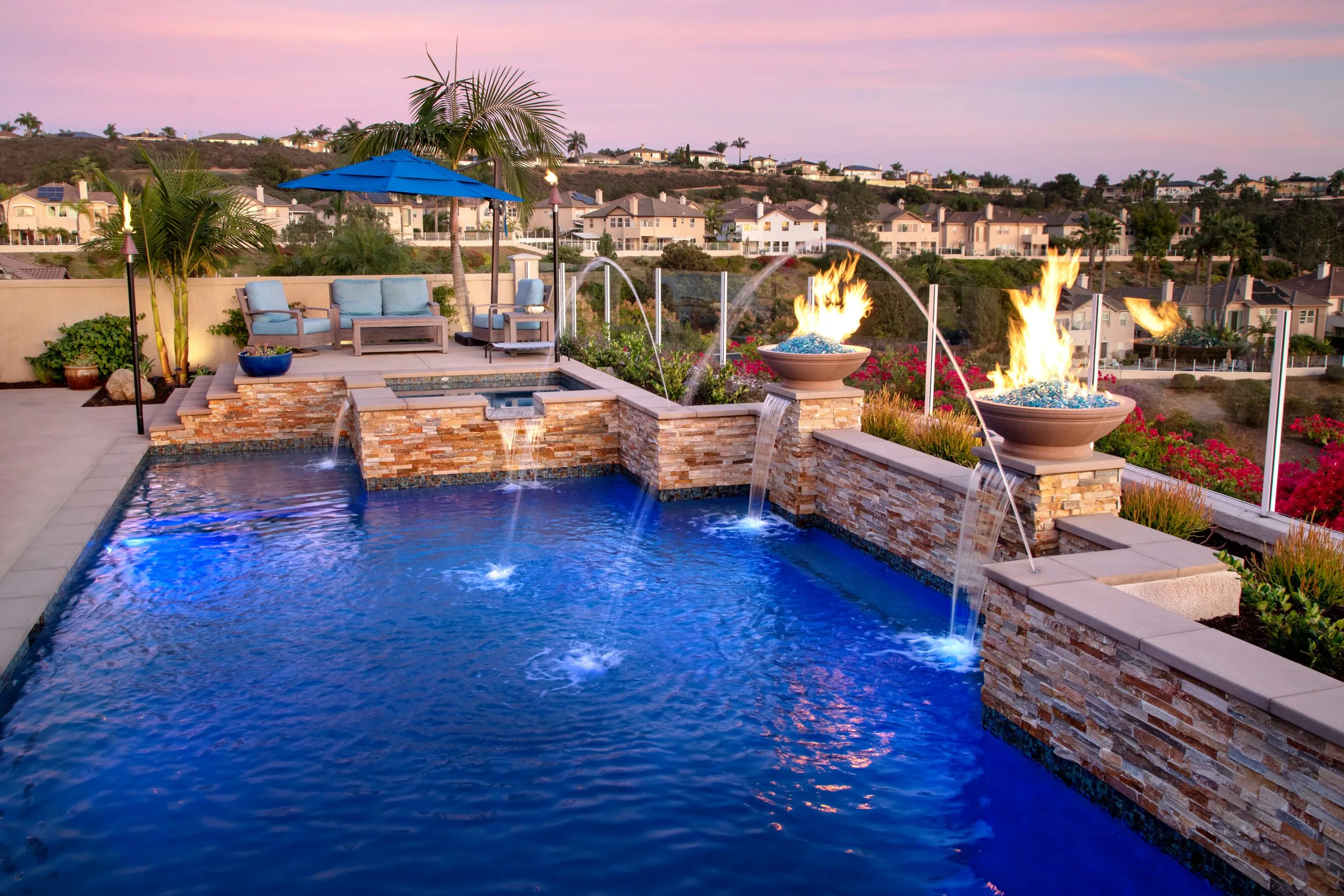

When considering materials for your pool deck, one question that frequently arises is, “Is granite a good material for pool decks?” Granite is renowned for its beauty and durability, making it an appealing option for homeowners seeking to enhance their outdoor spaces. In this article, we’ll delve into the properties of granite, its advantages, potential drawbacks, and why it could be the perfect choice for your pool area.
Granite is an igneous rock composed primarily of quartz, feldspar, and mica. Its unique composition gives granite its distinctive appearance and exceptional resilience, making it a favored choice in both indoor and outdoor constructions. Whether used in kitchen countertops or outdoor hardscaping, granite offers a blend of elegance and practicality.
One of the standout features of granite is its resilience. It does not chip or crack easily, making it ideal for high-traffic areas like pool decks. Additionally, granite can endure significant weight without compromising its structural integrity. This durability translates into a long-lasting investment for your outdoor space.
Granite’s natural beauty adds a touch of sophistication to any pool area. Its polished finish can elevate the overall look of your outdoor environment, enhancing both aesthetic appeal and property value. With many shades and patterns available, granite can be tailored to complement your home’s architectural style.
Homeowners appreciate granite for its minimal upkeep. Regular cleaning with a mild detergent and periodic sealing will keep it looking pristine. The non-porous nature of sealed granite inhibits mold and mildew growth, making it suitable for poolside environments where moisture is prevalent.
Safety is a vital consideration when selecting pool deck materials. Granite can be treated to improve its slip resistance, providing secure footing even when wet. This feature is crucial for families with children or elderly individuals who may require extra caution around the pool area.
One of the notable downsides of granite is its initial cost. Granite pool decks can be expensive compared to other materials. However, considering its longevity and minimal maintenance costs, granite can be a cost-effective choice over time.
Installing granite requires skilled labor, sophisticated tools, and precise techniques. Therefore, it’s essential to work with experienced professionals to ensure a flawless installation. This may further contribute to higher upfront costs.
While granite remains relatively cool underfoot compared to some materials, it can still become warm in direct sunlight. However, when properly selected and installed, the color and shading can mitigate excessive heating.
When pondering “is granite a good material for pool decks?”, it’s beneficial to compare it with other popular materials:
Selecting the right material for your pool deck involves assessing your individual needs and preferences. Here are some key considerations:
A honed or flamed finish can provide increased slip resistance, making them ideal for poolside applications.
Typically, granite should be resealed every 1-3 years, depending on usage and exposure to elements.
Yes, granite is an excellent material to use around spa areas due to its durability and aesthetic appeal. Explore our pool and spa options for tailored designs.
Granite is a natural stone and is often sourced from quarries that follow sustainable practices. Choosing locally-sourced granite can further reduce its environmental impact.
In conclusion, is granite a good material for pool decks? Absolutely! Its unparalleled durability, low maintenance, aesthetic appeal, and safety features make it an excellent choice for many homeowners. While it may come with a higher upfront cost, the investment pays off through longevity and minimal upkeep. If you’re ready to enhance your pool area with a beautiful and functional deck, consider granite as your primary option.
For more information on custom pool installations or to explore our range of swimming pool installations, contact Mission Pools today. Transform your outdoor oasis with our expert pool architecture services for a tailored design experience.
DISCLAIMER: The information in this article has been generated by artificial intelligence, not a pool professional. The accuracy of the information in this article has not been verified by Mission Pools prior to publication and will not be updated. Therefore, this article should not be relied upon in lieu of independent research or consultation with a California pool installation or maintenance firm.


