
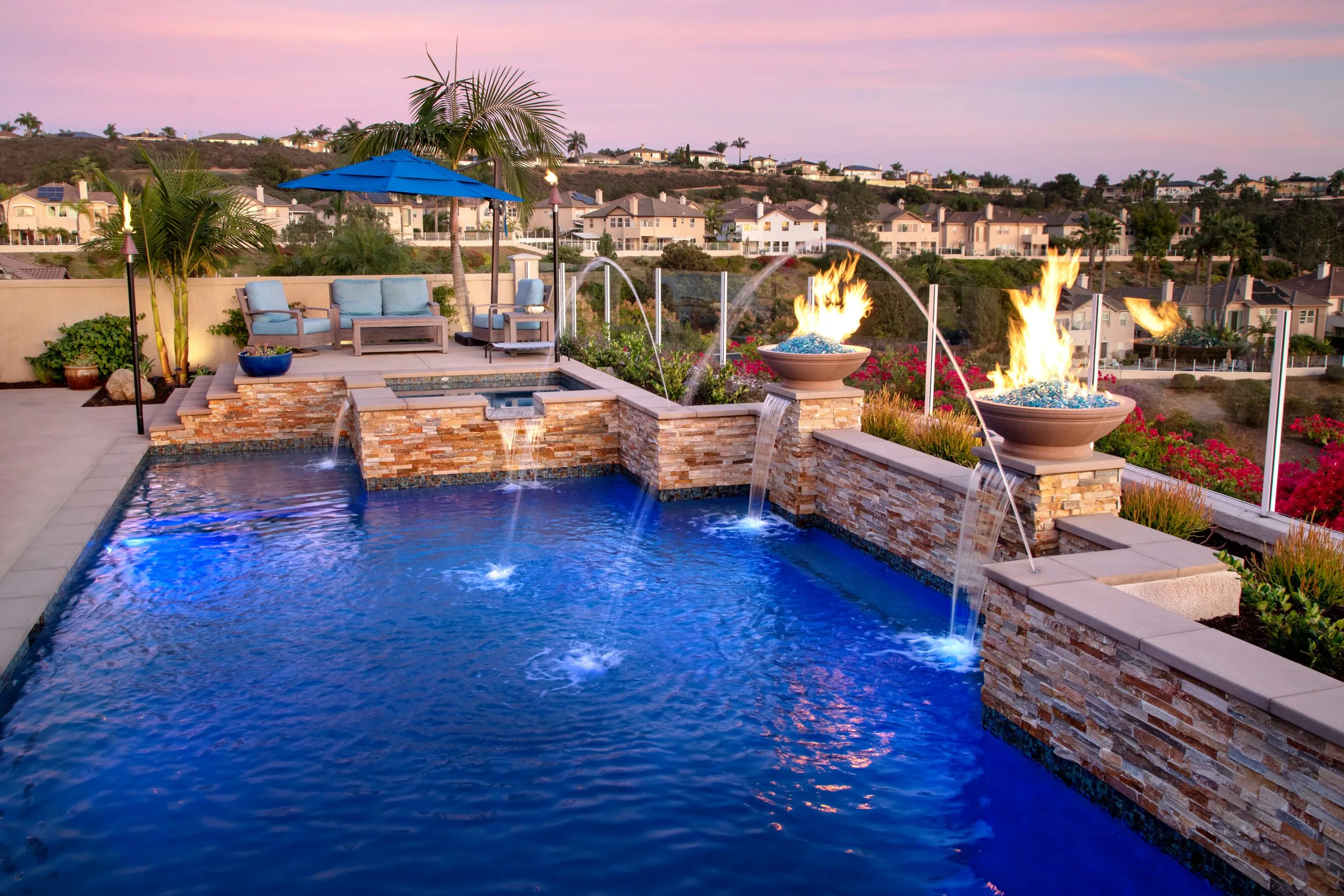

When dreaming of a beautiful swimming pool, many homeowners in areas with abundant rainfall or high groundwater may wonder, “is it possible to install a pool in a highly watery region?” The answer is a qualified yes, but it requires careful planning and expert knowledge of local conditions. By understanding the challenges and opportunities presented by wet environments, you can make informed decisions for a successful pool installation.
In regions where the soil retains moisture or is prone to saturation, understanding soil conditions is essential. Certain soils, such as clay, tend to hold water, while sandy soils can drain well. Each type presents distinct considerations for pool installation:
To learn more about how these factors affect the pool installation process, visit our understanding soil conditions page.
In addition to soil type, assessing the groundwater level is critical. If the water table is high, water could seep into your pool, leading to complications such as:
Conducting thorough site evaluations alongside professional builders is essential to make the right decisions for overcoming these challenges.
To successfully install a pool in challenging conditions, customization is paramount. Here’s how to design your pool for durability and functionality:
For detailed insights on different designs that can withstand wet conditions, refer to our guide on pool designs.
One question that often arises is, “What are the maintenance challenges for pools in watery areas?” Regular pool maintenance is crucial, especially in moist environments. Some essential maintenance tasks include:
For more expert insights related to upkeep, check out our page on pool maintenance.
Finally, adjust your pool maintenance schedule according to the seasons. In high rain seasons, these adjustments may include:
Yes, but you will need to incorporate elevated designs and drainage solutions to prevent water damage.
Costs may vary depending on the site conditions and necessary adaptations. However, investing in quality materials and designs pays off in the long run.
The dry season is typically ideal, as it allows for better onsite evaluations and reduces potential weather-related disruptions.
Yes, but specific design considerations and proper engineering must address the unique environmental challenges of high moisture levels.
Integrating robust drainage systems, selecting high-quality building materials, and opting for raised pool designs can enhance resilience.
The question, “is it possible to install a pool in a highly watery region?” does indeed have stimulating possibilities. While challenges prevail, with the right expertise and customized design, your dream pool can become a reality. Understanding the nuances of soil types, groundwater levels, and maintenance requirements will make all the difference.
For a seamless experience from concept to completion, trust Mission Pools, your premium pool installation partner. Visit us to explore our range of custom designs and expert services that ensure your pool remains stunning, safe, and durable for years to come.
DISCLAIMER: The information in this article has been generated by artificial intelligence, not a pool professional. The accuracy of the information in this article has not been verified by Mission Pools prior to publication and will not be updated. Therefore, this article should not be relied upon in lieu of independent research or consultation with a California pool installation or maintenance firm.


