
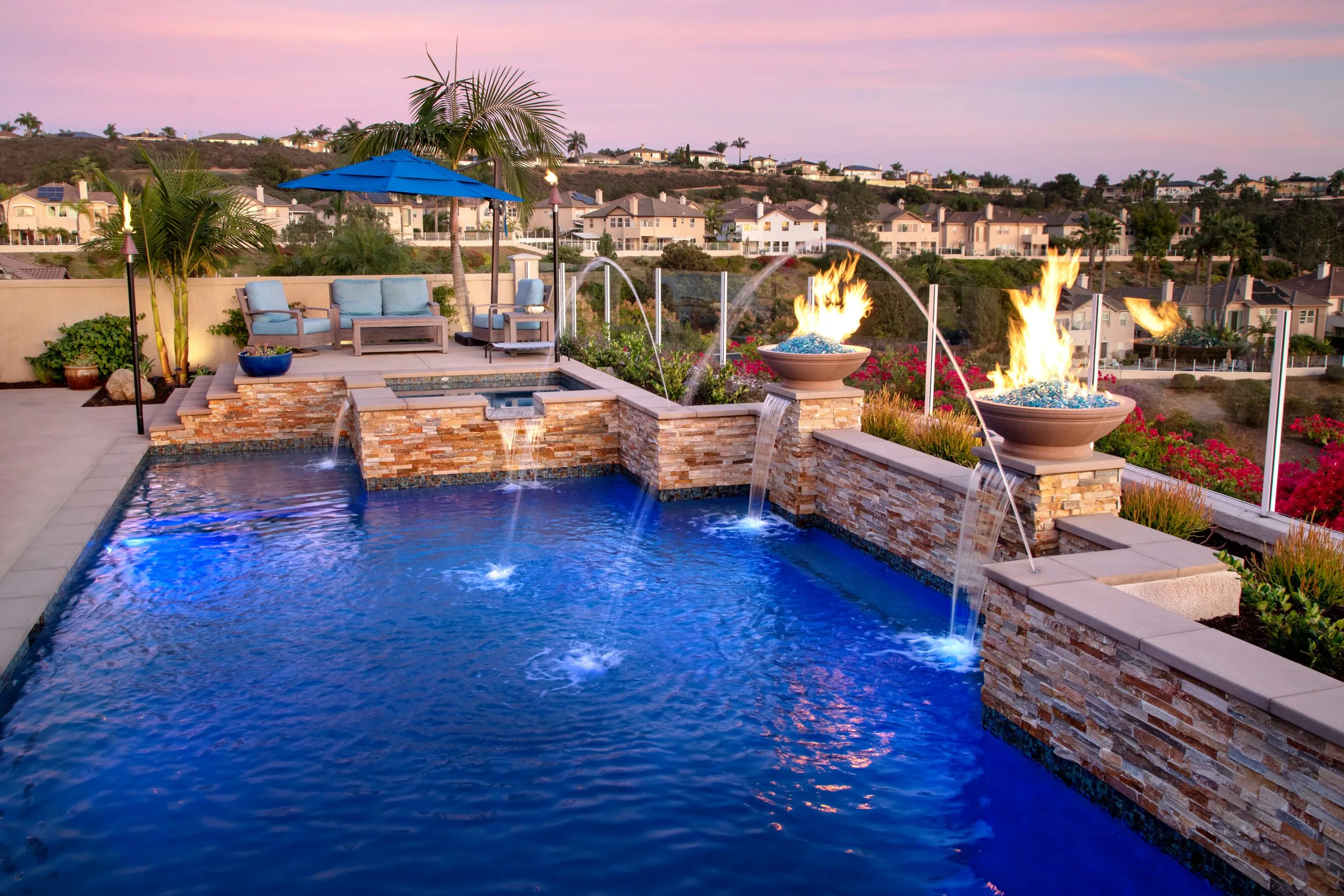

Swimming is a rewarding activity that promotes physical fitness and relaxation, especially in the comfort of your own pool. However, the enjoyment of your swimming experience is greatly influenced by established best swimming practices for pools. In this guide, we’ll explore crucial swimming habits and pool maintenance tips that ensure a safe, enjoyable, and hygienic swimming environment.
To effectively implement the best swimming practices for pools, it’s essential to prioritize proper pool maintenance. Consistent upkeep ensures safety, enhances the swimming experience, and prolongs the life of your pool. Here are key maintenance practices:
Maintaining correct water levels not only provides a comfortable swimming experience but also contributes to efficient filtering and sanitation. For detailed insights on how much water is needed for pools, visit our comprehensive guide on water needed for pools.
Ensuring safety while swimming is paramount. By following best swimming practices for pools, you can significantly reduce the risk of accidents.
Swimming pools can harbor bacteria if not managed correctly. Implement the following hygiene practices to ensure a safe swimming environment.
Encourage all swimmers to shower before entering the pool. This practice reduces the amount of sunscreen, sweat, and dirt entering the water, aiding in pool maintenance and hygiene.
In addition to safety and hygiene, creating an inviting atmosphere in your pool area enhances the overall swimming experience.
Integrate your pool with the surrounding landscape for a seamless outdoor living environment. Discover the best features for a family pool in San Diego by exploring our guide on features for a family pool.
Modern technology provides numerous ways to enhance your swimming experience while ensuring pool safety.
Investing in smart pool automation systems allows for efficient management of pool functions such as heating, cleaning, and chemical balance. These systems can also be managed remotely, providing convenience and peace of mind.
Utilizing energy-efficient pumps and filtration systems not only lowers energy bills but also reduces the overall environmental impact of your pool. Consider equipment upgrades for long-term benefits.
Consider the ages of your family members, the intended use of the pool, and additional features such as water slides or shallow lounging areas. For in-depth information, visit our guide about optimal depths for pools.
By adhering to the best swimming practices for pools, you not only ensure a safe environment but also enhance the overall swimming experience. Regular maintenance, safety measures, and smart technology integration collectively contribute to a pool that is both enjoyable and inviting. Invest in your pool today, and start creating memorable experiences for your family and friends.
DISCLAIMER: The information in this article has been generated by artificial intelligence, not a pool professional. The accuracy of the information in this article has not been verified by Mission Pools prior to publication and will not be updated. Therefore, this article should not be relied upon in lieu of independent research or consultation with a California pool installation or maintenance firm.


