



Neglect your pool for two weeks and chemistry does the talking. Algae blooms, cloudy water, and filter strain that cuts equipment life in half.
That’s not a scare tactic. It’s what happens when maintenance slips.
Residential swimming pool maintenance breaks into three layers: weekly, monthly, and seasonal. Each prevents a different type of failure. Skip any category consistently and minor upkeep turns into costly repairs.
This guide lays out a practical schedule any homeowner can follow. At Mission Pools, we’ve maintained pools across Southern California since 1960, so this advice comes from six decades of fieldwork, not theory.
Your pool is a connected system. Pumps circulate water, chemicals sanitize it, and filters trap debris. When one piece falls behind, the others compensate. That extra strain wears things out faster than you’d expect.
This is why consistent residential pool care matters. It protects water quality, equipment life, and structural integrity at once. Without it, you’re not just facing expensive repairs. You’re also risking your health.
The CDC notes that poorly maintained pools contribute to recreational water illnesses, including gastrointestinal, skin, and respiratory infections.
The damage also compounds structurally. Unbalanced water corrodes fittings, erodes plaster, and scales tile. One skipped week of testing can spiral into pump failure or resurfacing. A proper routine prevents all of it.
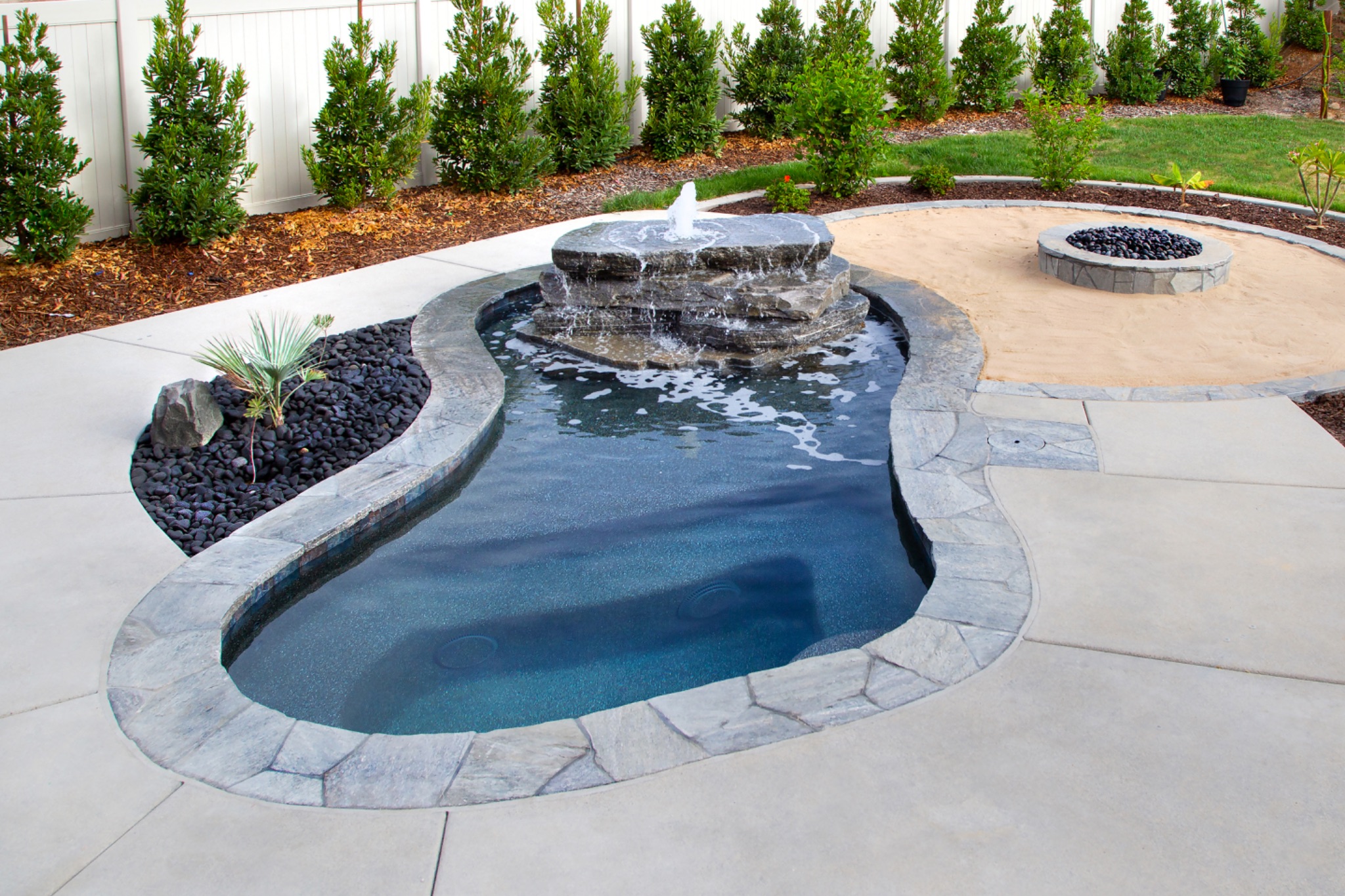
Weekly tasks form the backbone of your swimming pool maintenance schedule.
These are the non-negotiables that keep your water swimmable and your equipment protected between deeper monthly service. Skip them, and the problems covered above start to build.
Leaves, bugs, and pollen land on your pool surface daily. If you leave them, they sink, decompose, and feed algae growth. That’s why skimming two to three times per week matters.
It removes organic matter before it throws off your water chemistry.
A simple leaf skimmer with a telescoping pole is all you need. However, if you want to reduce hands-on time, automatic surface cleaners and solar-powered skimmers can handle light debris between your manual passes.
Algae doesn’t always show as green water. It often starts as a slippery film on walls, steps, and behind ladders where circulation is weakest. Brushing once a week stops growth before it holds.
Match your brush to your surface:
Give your waterline extra attention too. Scale and oils build up fastest there, causing stains tough to remove.
Even with good circulation, debris still settles on the floor. Manual vacuuming gives you the most control, especially in corners and along steps where automatic cleaners often miss.
If you prefer a hands-off approach, robotic cleaners are a strong alternative. They run independently from your filtration system and clean both floors and walls. The upfront cost is higher, but it pays for itself quickly in time savings alone.
Water testing is the most important weekly task you can perform.
Everything else in your routine depends on chemistry being right. Test at least twice per week during swim season and once during cooler months using a quality liquid kit or digital tester.
According to LaMotte’s water quality guide, you should target these ranges:
Always adjust alkalinity first, then pH, then chlorine. That sequence matters because alkalinity buffers pH, and pH determines how effective your chlorine is.
Once your chemistry is dialed in, make sure the water can actually circulate. Clogged baskets restrict flow, reduce filtration efficiency, and put unnecessary strain on your pump motor.
A pump running against a full basket works harder, runs hotter, and fails sooner.
Empty both your skimmer basket and pump strainer at least once a week. During fall or windy periods when debris is heavy, check them every couple of days.

Your weekly routine keeps the surface clean and chemistry in check. But once a month, you need to go deeper. These tasks address the systems and balances that weekly testing alone can’t fully manage.
Your filter does the heavy lifting in your circulation system. When it’s dirty, water flow drops, chemicals distribute poorly, and contaminants recirculate. How you clean it depends on the type:
As Swim University’s filter guide notes, your pressure gauge is the best indicator. Get in the habit of recording your clean baseline so you always know when it’s time.
Beyond regular filter care, your pool also needs a monthly chemical reset.
Shocking uses a concentrated dose of chlorine or non-chlorine oxidizer to destroy chloramines, bacteria, and contaminants that normal levels can’t reach.
Shock at least once a month, and additionally after:
Always shock at dusk, since UV light breaks down unstabilized chlorine rapidly. As AQUA Magazine’s guide on pool shock chemistry explains, effective shocking requires raising free chlorine to at least 10 times your combined chlorine reading to reach breakpoint. Run your pump for 6 to 8 hours after, and keep swimmers out until free chlorine drops below 3 ppm.
Unlike pH or chlorine, these two readings shift slowly. That’s why monthly testing is enough.
If your calcium climbs too high, the only reliable fix is partially draining and refilling. This is one area where consistent testing saves you the most money.
Along with water and chemistry checks, your equipment also needs a monthly look. Spend five minutes inspecting your pump, heater, salt cell (if applicable), and automation panel. Specifically, look for:
Catching a worn seal or small leak early costs a fraction of a full replacement. If your equipment is aging and you’re weighing upgrades, exploring high-tech pool renovation options can show you what modern systems look like.

Your weekly and monthly routines cover the fundamentals. But as weather, usage, and environmental conditions shift throughout the year, your pool needs adjustments those routines don’t address.
That’s where seasonal pool maintenance comes in. Each season brings its own priorities.
If your pool was covered or shut down over winter, spring is your reset. How you open it sets the tone for the entire season.
If your pool has been closed for several months, scheduling a professional inspection is worth it. A trained eye catches things you’ll miss, especially below-the-surface plumbing and equipment issues.
Summer pushes your pool the hardest. Higher temperatures accelerate chlorine burn-off, heavier swimmer loads introduce more contaminants, and UV exposure degrades stabilizer faster.
During peak season, test your water at least three times per week. You should also increase pump run time to maintain proper circulation. The U.S. Department of Energy notes that variable-speed pumps help here by running longer at lower speeds, keeping your pool filtered without spiking energy costs.
Shock more frequently too, roughly every one to two weeks. Keep a closer eye on cyanuric acid, because without adequate levels, you’re burning through chlorine before it can sanitize.
As temperatures drop, your pool’s chemical demand decreases, but debris load often spikes.
Falling leaves are the biggest culprit. They stain surfaces, clog skimmers, and throw off chemistry as they decompose. Getting ahead of winter pool care starts with diligent fall prep.
In colder climates, winterizing protects your pool and plumbing from freeze damage. The process involves:
In warmer climates like Southern California, full winterization is rarely needed. Most pools run year-round with adjusted schedules. Our guide on how to winterize your pool in San Diego covers the lighter adjustments that apply to you in mild winter regions.
Now that you understand what each task involves and when to do it, here’s a scannable checklist you can save or print as your year-round reference.
Weekly Tasks:
Monthly Tasks:
Seasonal Tasks:
Even with a solid checklist, small oversights can snowball. Here are the mistakes we see most often, and what they actually cost you.
If the routine feels overwhelming, that’s a sign to bring in professional help rather than letting tasks slide.
Some issues go beyond DIY. Knowing when to call a professional saves you from turning small problems into expensive ones.
Professional teams bring diagnostic tools, trade knowledge, and warranty-backed work that DIY can’t match.
At Mission Pools, we’ve paired construction expertise with ongoing pool maintenance and servicing for over six decades. And if your pool’s surface has deteriorated beyond what upkeep can fix, our pool remodeling services can restore it to better-than-new condition.

Consistency is what separates pool owners who enjoy their investment from those chasing emergency repairs. Start with the weekly basics, build in monthly and seasonal layers, and the routine handles itself.
When you’re ready for professional support, whether that’s ongoing care, a renovation, or new pool construction, get in touch with Mission Pools and we’ll keep your pool in top shape year-round.
During swim season, test two to three times per week. In cooler months, once weekly is enough. Consistent testing is the foundation of any swimming pool maintenance schedule because it catches imbalances before they become visible problems like algae or cloudiness.
Water chemistry balance. Everything in your residential swimming pool maintenance routine depends on it. Proper pH ensures chlorine works effectively, alkalinity keeps pH stable, and balanced calcium protects surfaces. You can skim daily, but if chemistry is off, problems follow.
DIY residential pool care typically runs $30 to $95 monthly for chemicals and supplies. Professional services range from $100 to $300 depending on pool size. Factor in electricity, water, and occasional repairs, and total annual costs usually fall between $3,000 and $6,000.
Most weekly pool maintenance tasks are manageable with 30 to 60 minutes of effort. Where professionals add value is equipment diagnostics, plumbing repairs, and persistent chemistry issues. Many homeowners handle weekly care themselves while scheduling professional help for seasonal pool maintenance.
Watch for warning signs during monthly checks on your pool maintenance checklist. Grinding pumps, leaking seals, heaters throwing error codes, or filters that can’t hold clean pressure all need professional evaluation. If repairs exceed 50% of replacement cost, upgrading is smarter.

You know . . . you just do not wake up one day and decide you can be someone’s partner in business. Strong relationships take...


Southern California is known for a lifestyle second to none. Our area that started out as an arid desert has now become a land of...

Yesterday was an example of why my brother and I enjoy this business so much. Contracting is all about solving problems…problem/solution management.


